Education
- Key feature
- 6 axes per arm
- Key feature
- Mobile base
- Key feature
- Teleoperation
On order
From €51,990 ex VATor €1,769/month in RaaS
Updated
USE CASE · INSPECTION, R&D AND EDUCATION
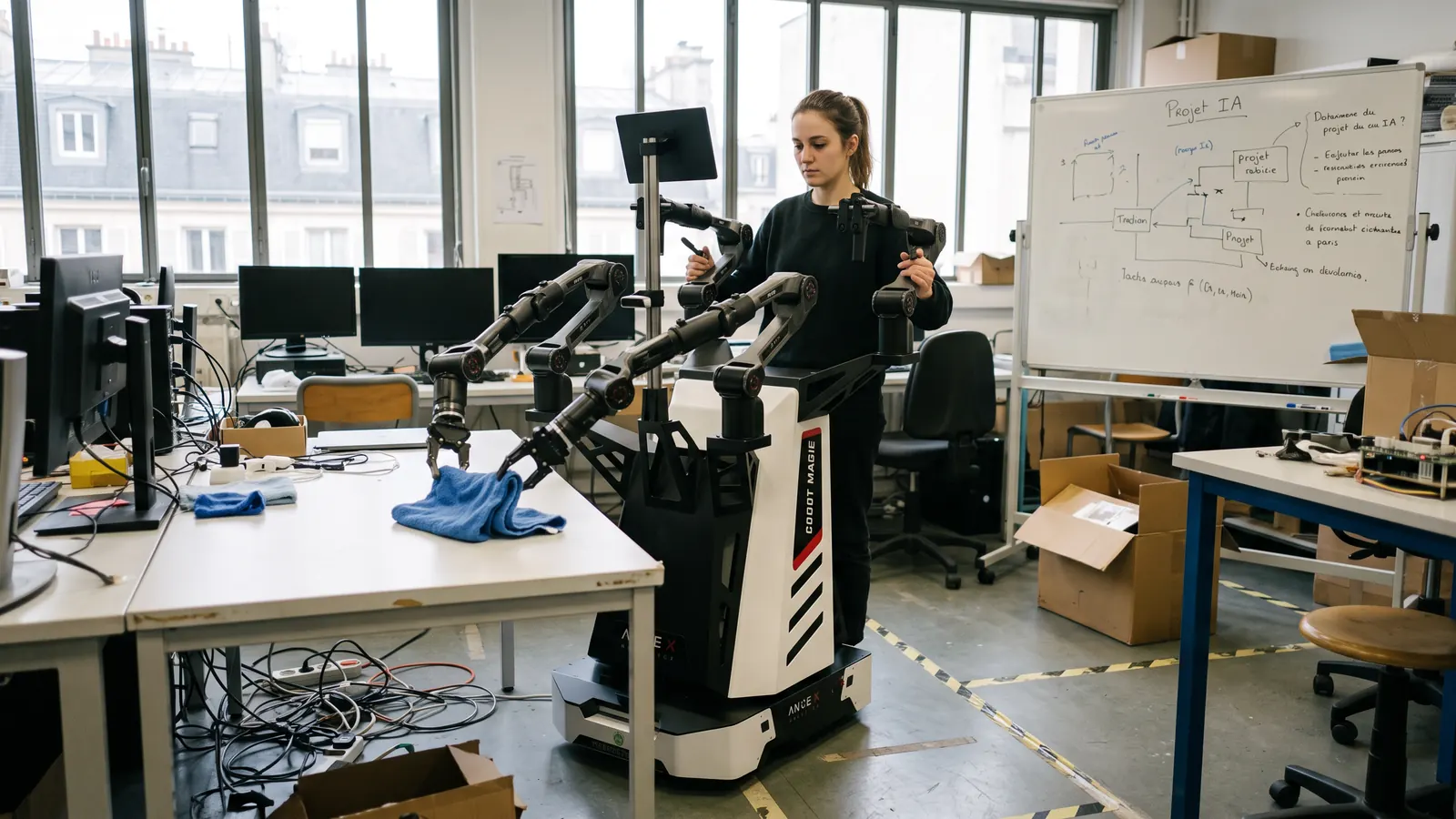
An operator guides the robot's arms as if making the move by hand. Each demonstration records motion and images and becomes training data for the model.
Updated
A teleoperation platform records human demonstrations (arm motion, camera images) to train imitation learning models.
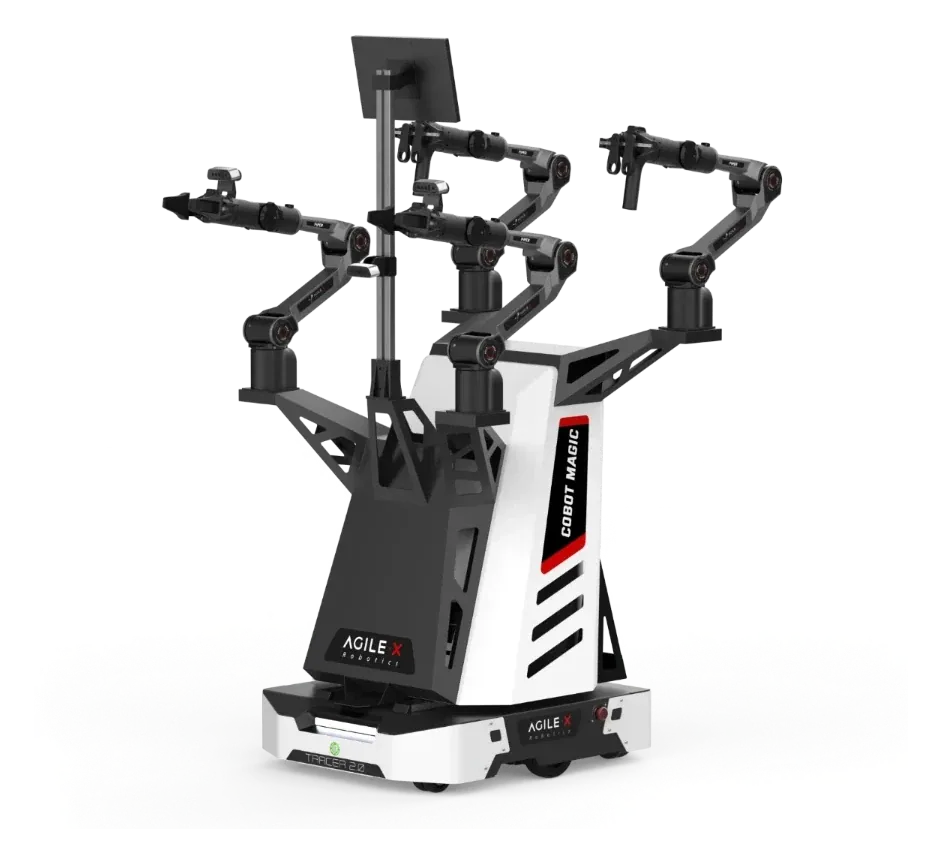
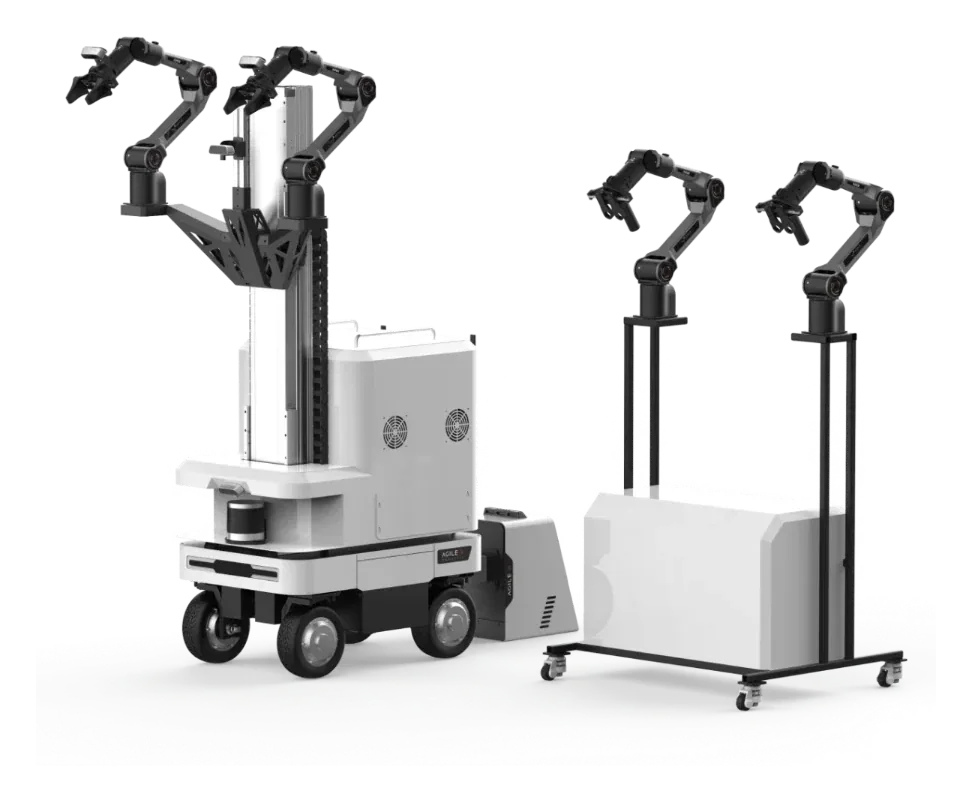
The AgileX COBOT MAGIC follows the Mobile ALOHA architecture: 6-axis PiPER arms in leader-follower pairs on a mobile base, with depth cameras and an industrial PC with a dedicated GPU, according to its manufacturer.
Robot Distribution delivers the platform, commissions it, trains the operators and provides support, for research labs and industrial teams alike.
WHY
Models that learn manipulation skills need demonstrations: hundreds to thousands of runs of the same task, cleanly recorded, with images and positions in sync. The quality and consistency of that data matter as much as the model itself.
Leader-follower teleoperation is the most direct way to produce it: the operator moves leader arms, the robot copies the motion, and everything is recorded. The right platform depends on the task: on a table, on the move, or on a humanoid.
HOW IT RUNS
Objects, workstation, start conditions and success criterion are fixed so that every demonstration is comparable.
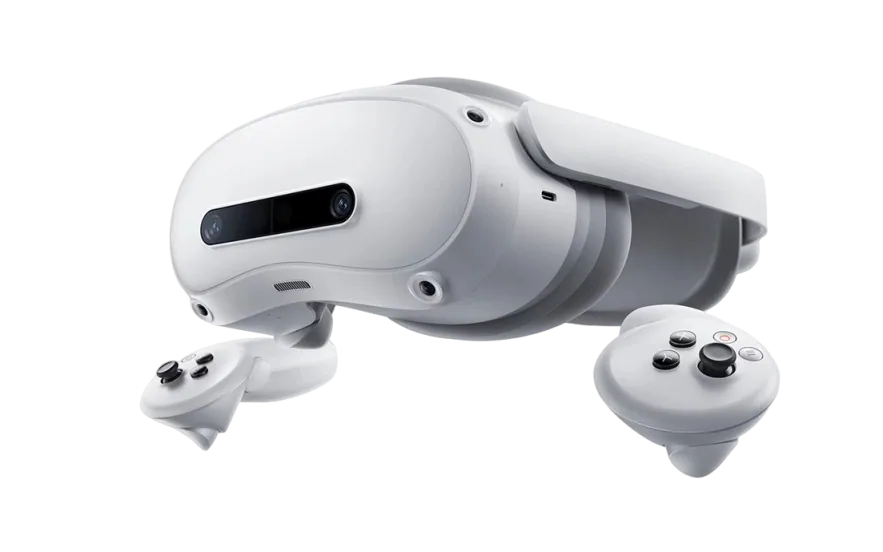
They move the leader arms or wear the VR headset; the robot copies the motion in real time.
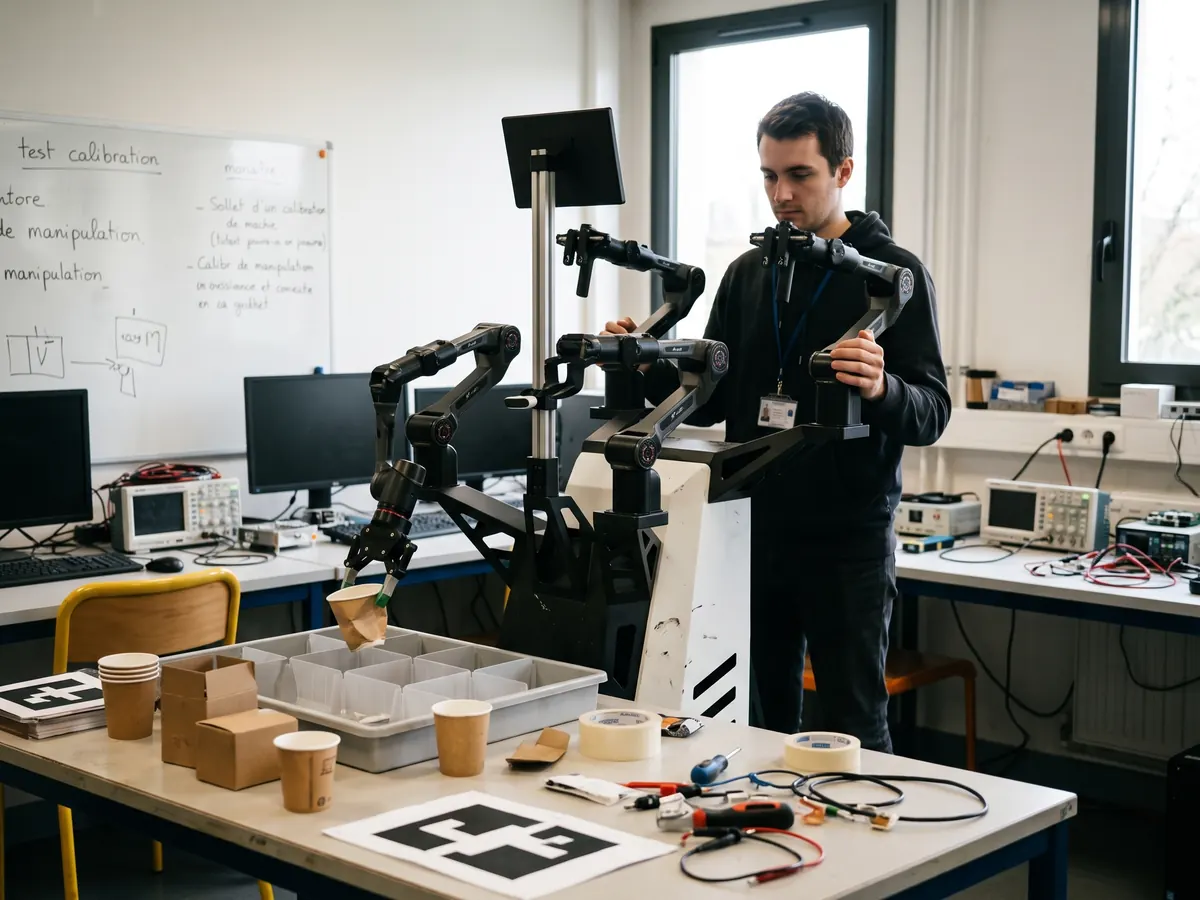
Joint positions, gripper state and camera streams are time-stamped together for each demonstration.
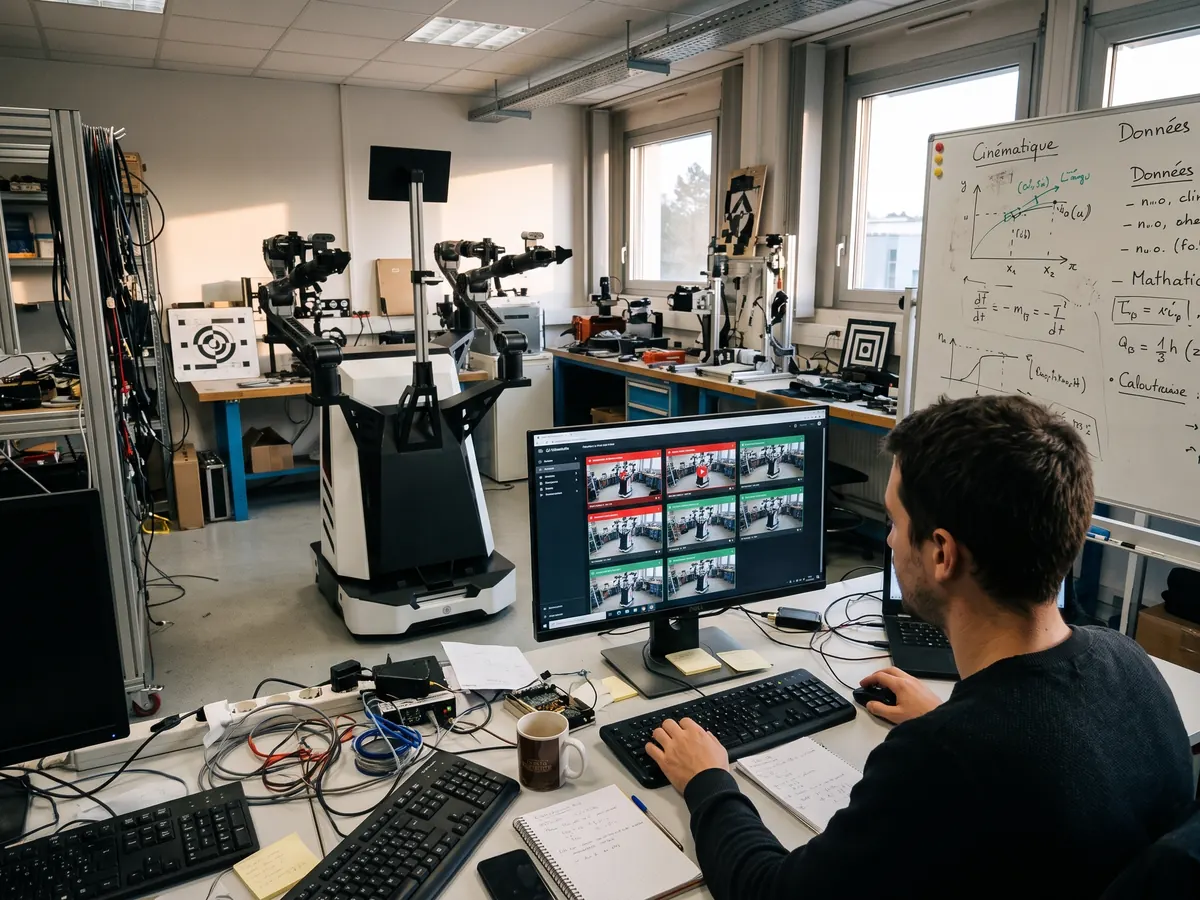
Failed demonstrations are removed, the rest feed model training, and the model is then tested on the robot.
THE ROBOTS
Education
Education
Education
Humanoids
BEFORE INSTALLING
On a table, on the move, at varying heights or on a humanoid: it sets the platform and the number of arms.
Surface, steady lighting, background and objects: what must stay constant from one demonstration to the next.
Recording format, storage, transfer to the training servers and naming conventions.
Who gives the demonstrations, their training and the station's ergonomics for long sessions.
RULES AND STANDARDS
A data collection campaign records people at work and puts them next to moving arms: data protection, labour law and safety all apply.
Camera streams may show the operator's face, hands or voice. The CNIL's practical sheets on AI development ask teams to set a purpose, choose a legal basis, minimise the data collected, inform the people concerned and run a data protection impact assessment where needed. Framing cameras on the workspace rather than on faces helps minimise data.
Article L1222-4 of the French Labour Code bars collecting personal information about an employee through a device they were not told about beforehand. Article L2312-38 provides for the works council (CSE) to be consulted before introducing means that allow monitoring of employees' activity. For industrial teams, check both points with HR before the first session.
In 2021, ANSES reviewed the health effects of virtual reality. Motion sickness can appear within minutes in sensitive people; the agency advises stopping at the first symptoms and waiting one to two hours before tasks requiring concentration, such as driving. Plan breaks, operator information and rotation when demonstrations are recorded with a VR headset.
ISO 10218-2:2025 sets safety requirements for integrating industrial robot applications and robot cells, from commissioning to operation and maintenance. Follower arms move close to the operator. Ask the supplier which safety standards the arms and station were assessed against, and how stops and workspace limits are handled.
General information, not legal advice.
FAQ
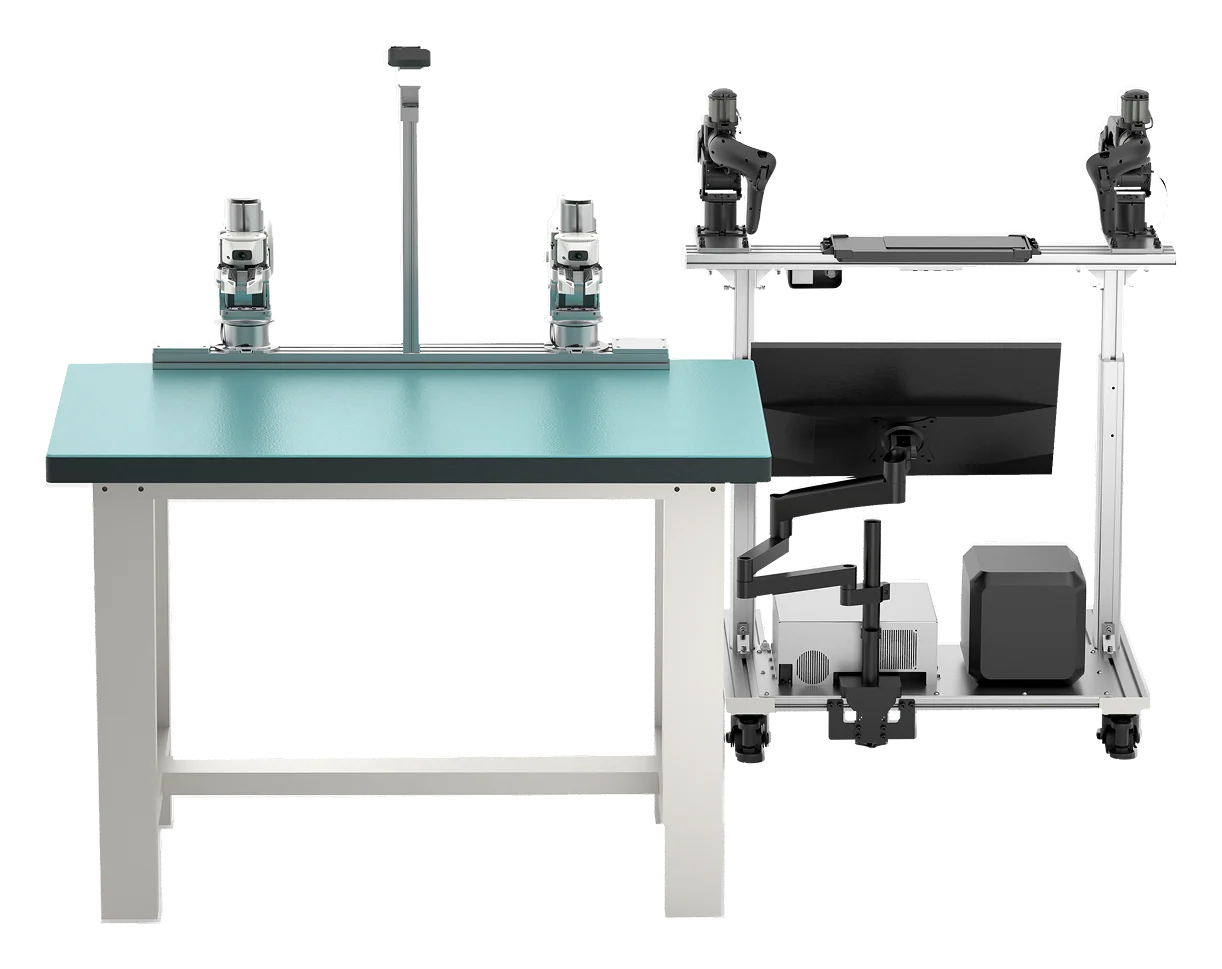
The X Square TeleTwin Desktop comes ready to use: two 6-axis follower arms mapped 1:1 to the leader arms, 3 kg rated payload per arm, 649 mm reach and ±1 mm repeatability according to its manufacturer.
The AgileX COBOT MAGIC puts the arms on a mobile base. The AgileX Split ALOHA adds a lift (height 1,322 to 1,892 mm), three depth cameras and a LiDAR to combine navigation, lifting and manipulation, according to its manufacturer.
Yes with the AGIBOT VR Teleoperation Kit, compatible with the AGIBOT A2 Ultra and A2 Lite: it drives 26 degrees of freedom with 50 ms wired control latency, according to its manufacturer.
It depends on the task, its variability and the model chosen. We give no general figure: it is measured on your task, by testing the model as collection goes on.
USE CASES
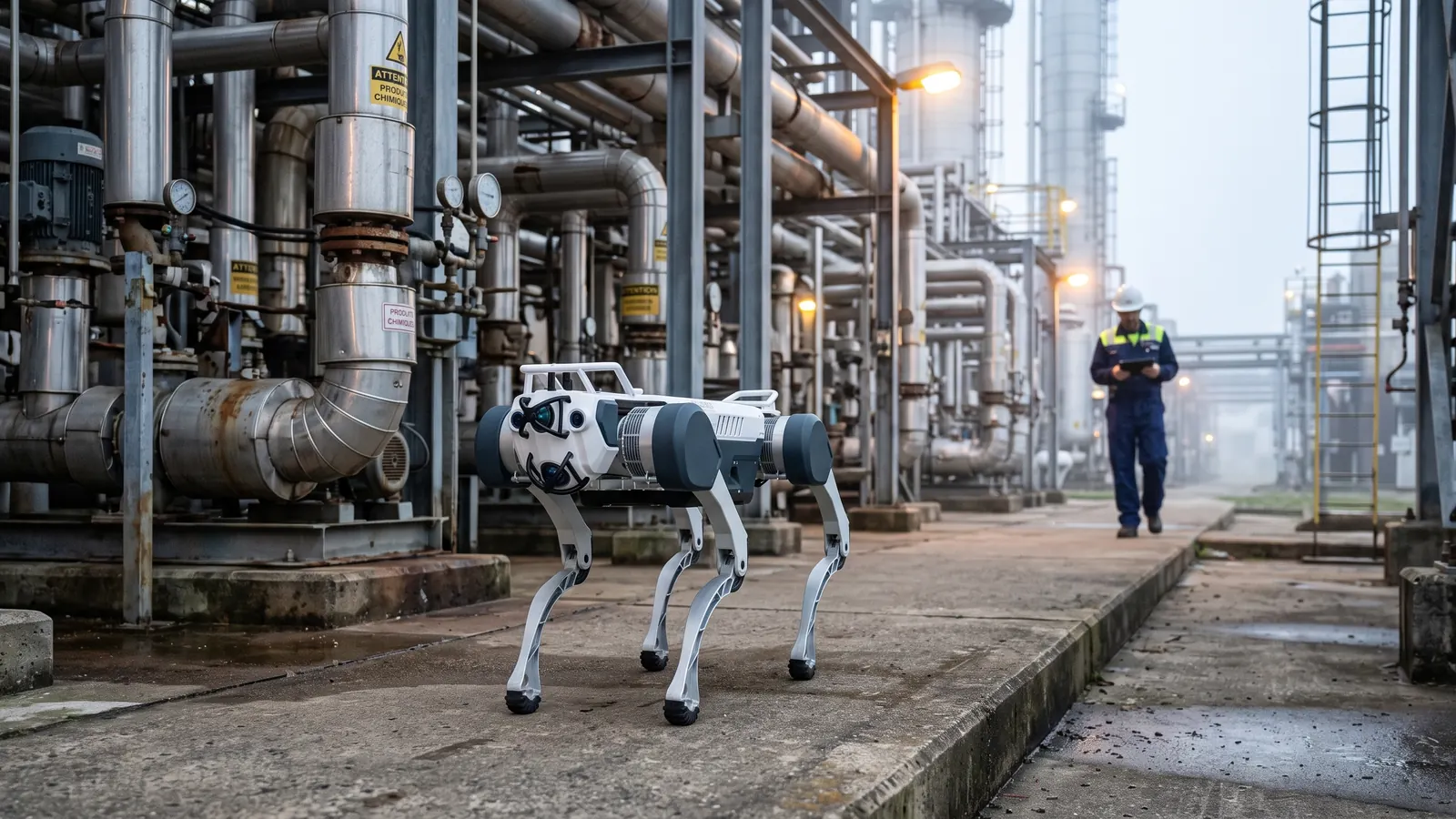 Industrial inspection roundsThe robot walks the same route every day, stops at the same points and records images, temperatures and readings. Technicians review the deviations and step in where needed.
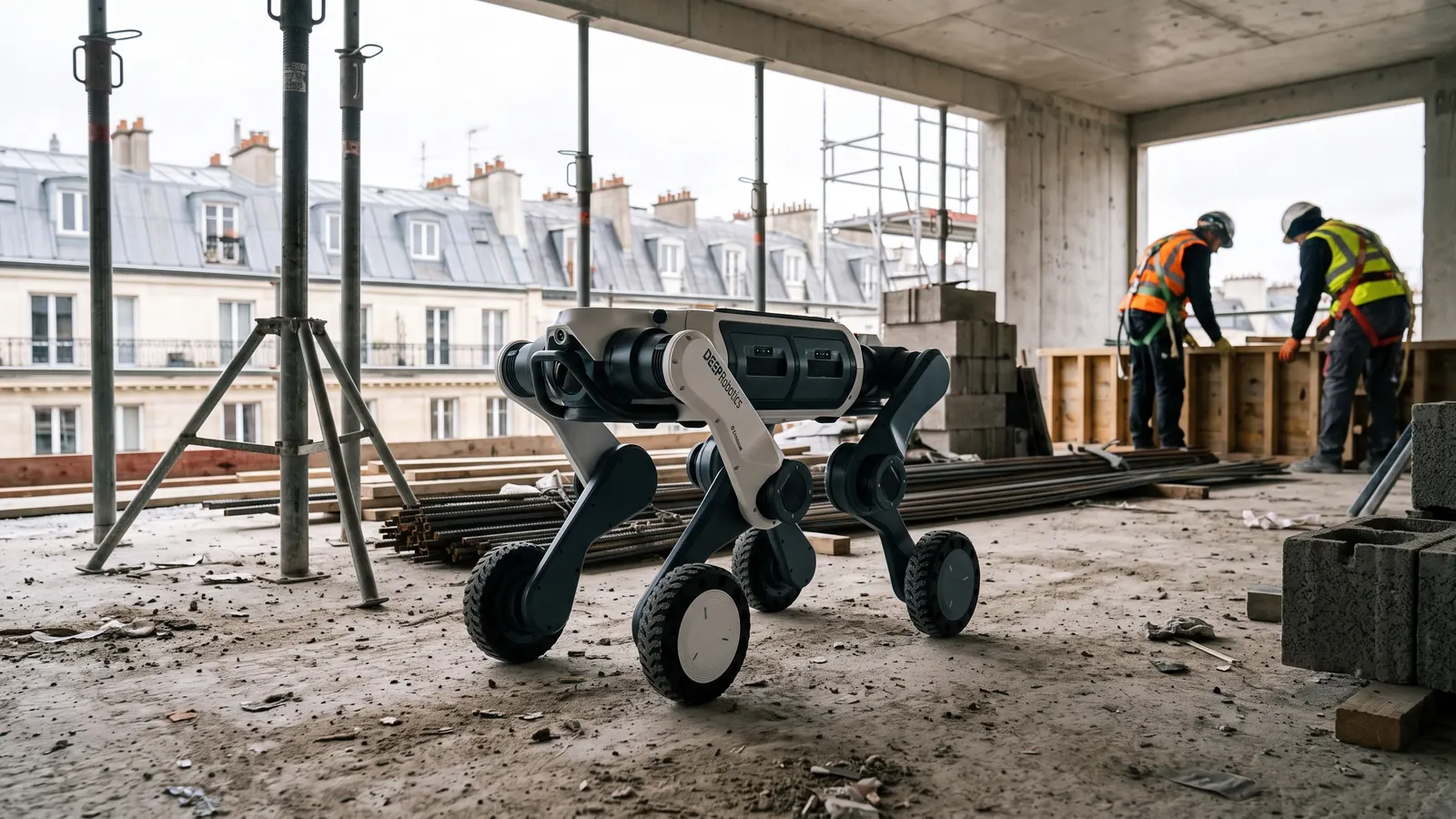 Construction site monitoringThe robot walks the site on a fixed route and brings back point clouds, photos and video. The site manager compares progress week by week without walking the whole site again.
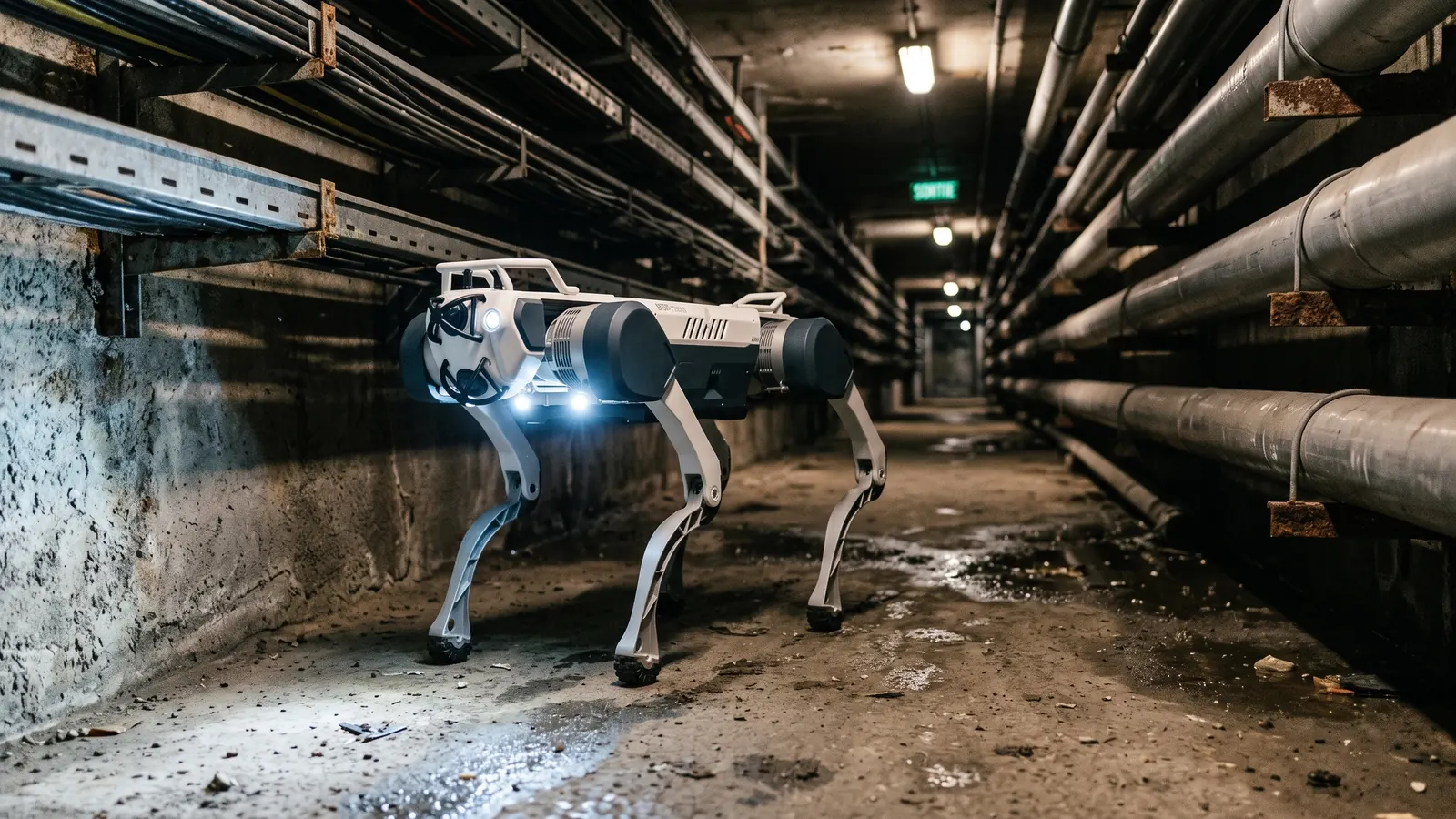 Tunnel and utility inspectionThe robot walks utility tunnels, road tunnels and underground car parks and brings back dated images and readings. Staff keep their descents for repairs.
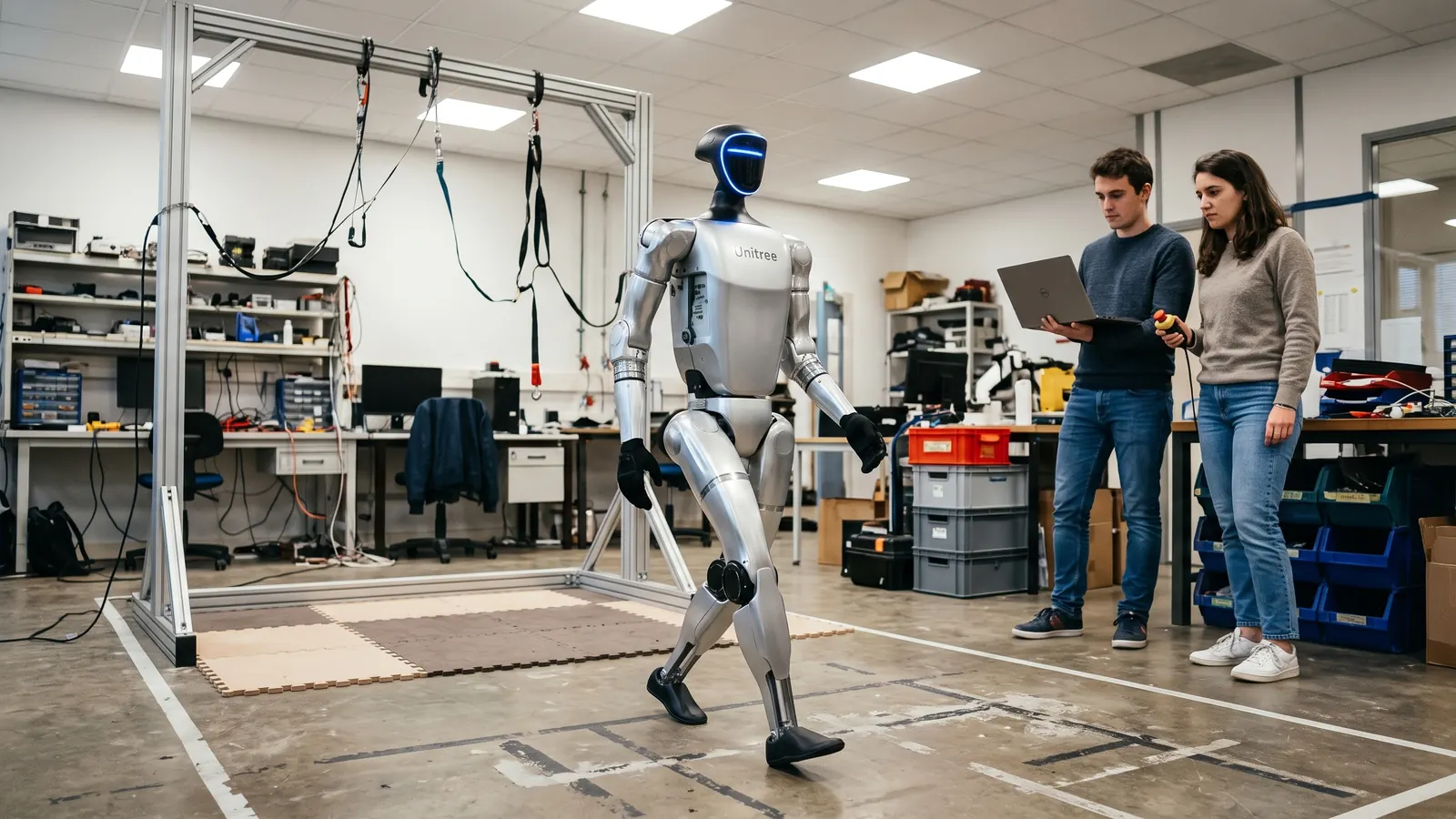 Humanoid researchThe lab works on a real humanoid body: it trains policies in simulation, transfers them to the robot and measures what holds up in the real world.
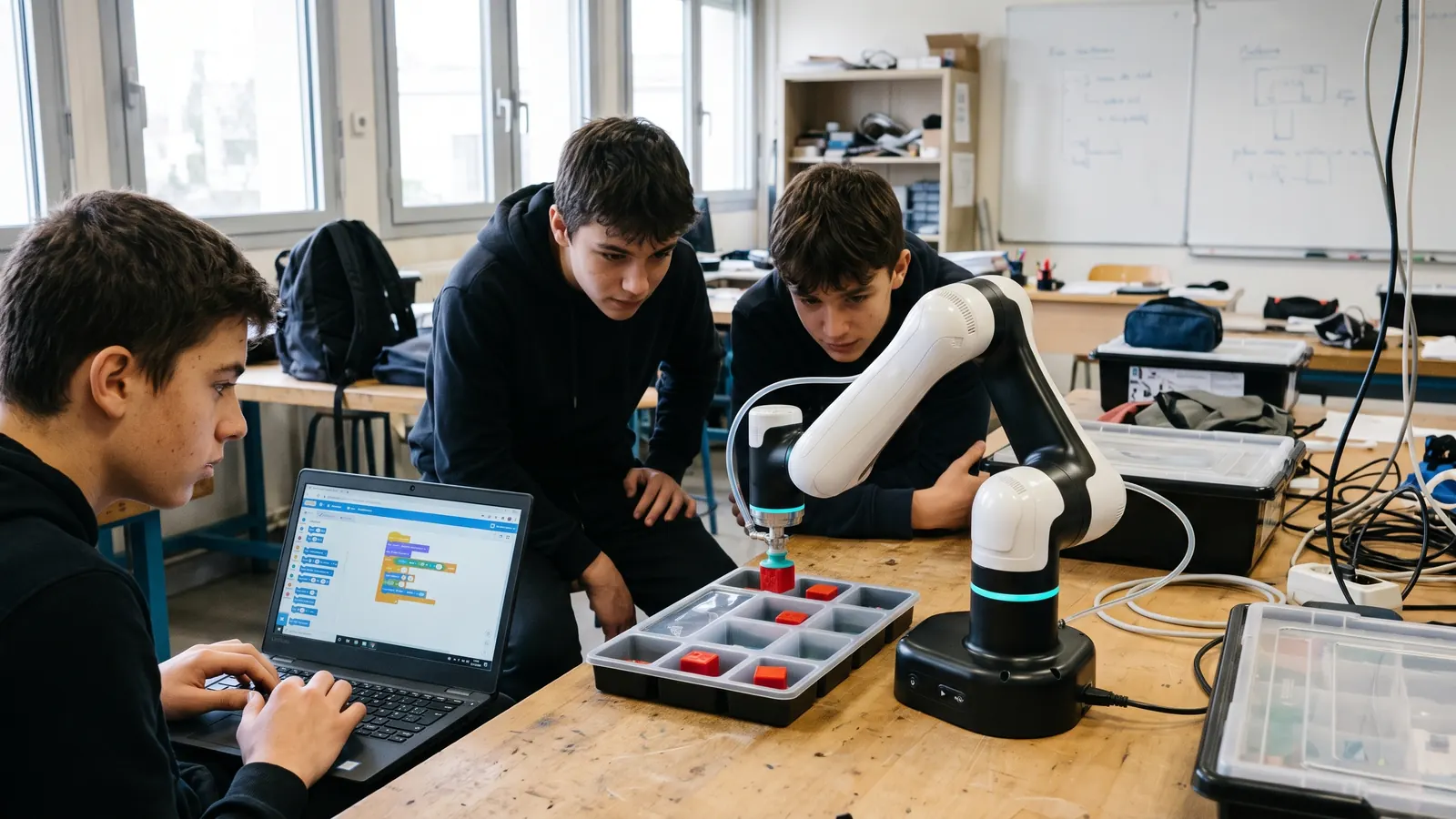 Robotics teachingStudents program a robot that moves in front of them. The abstract idea becomes a visible result, and mistakes show straight away.
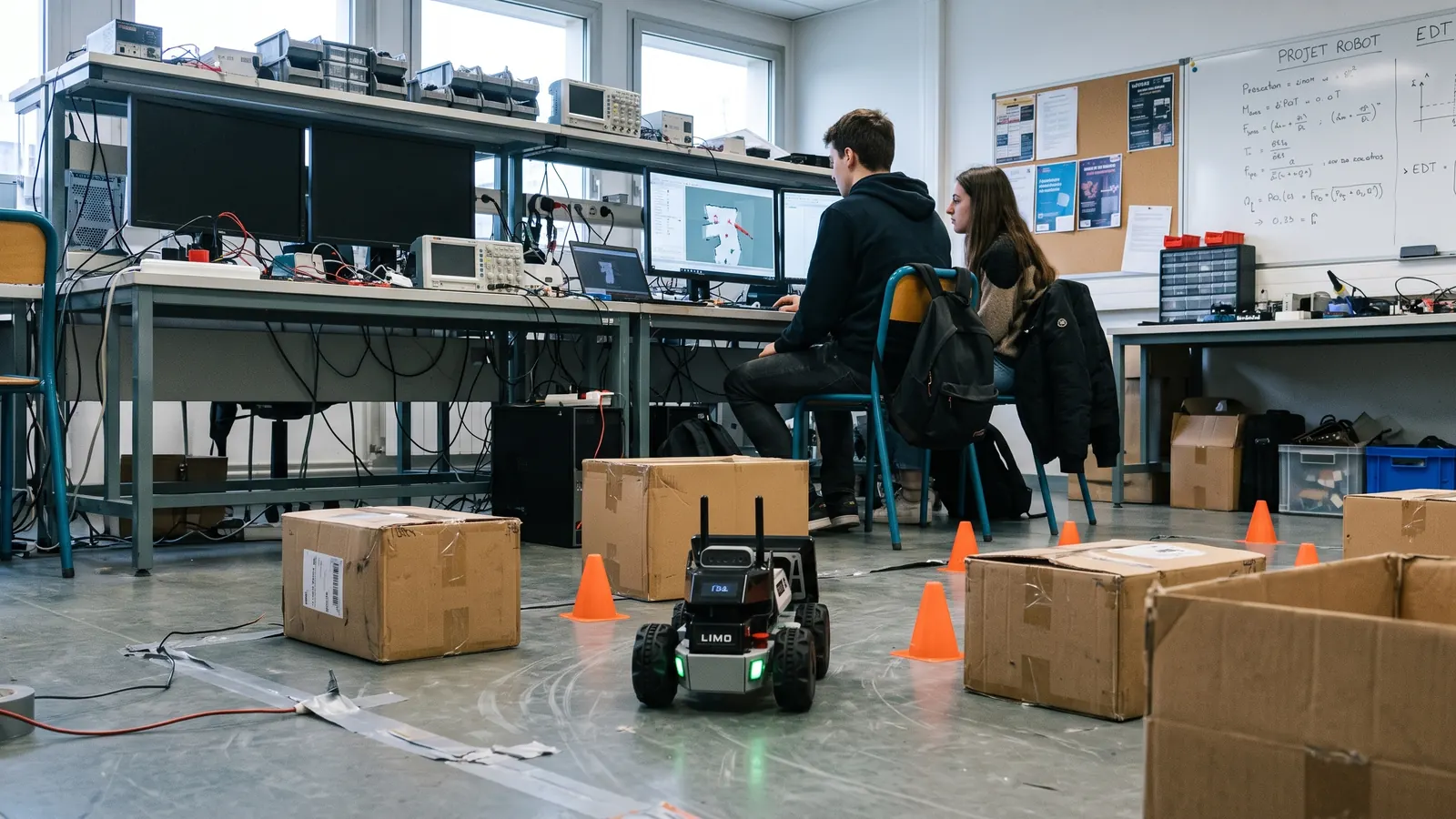 Mobile robotics and ROS 2Students map, localise and navigate a real robot. What worked in simulation meets reflections, noisy sensors and cluttered corridors.
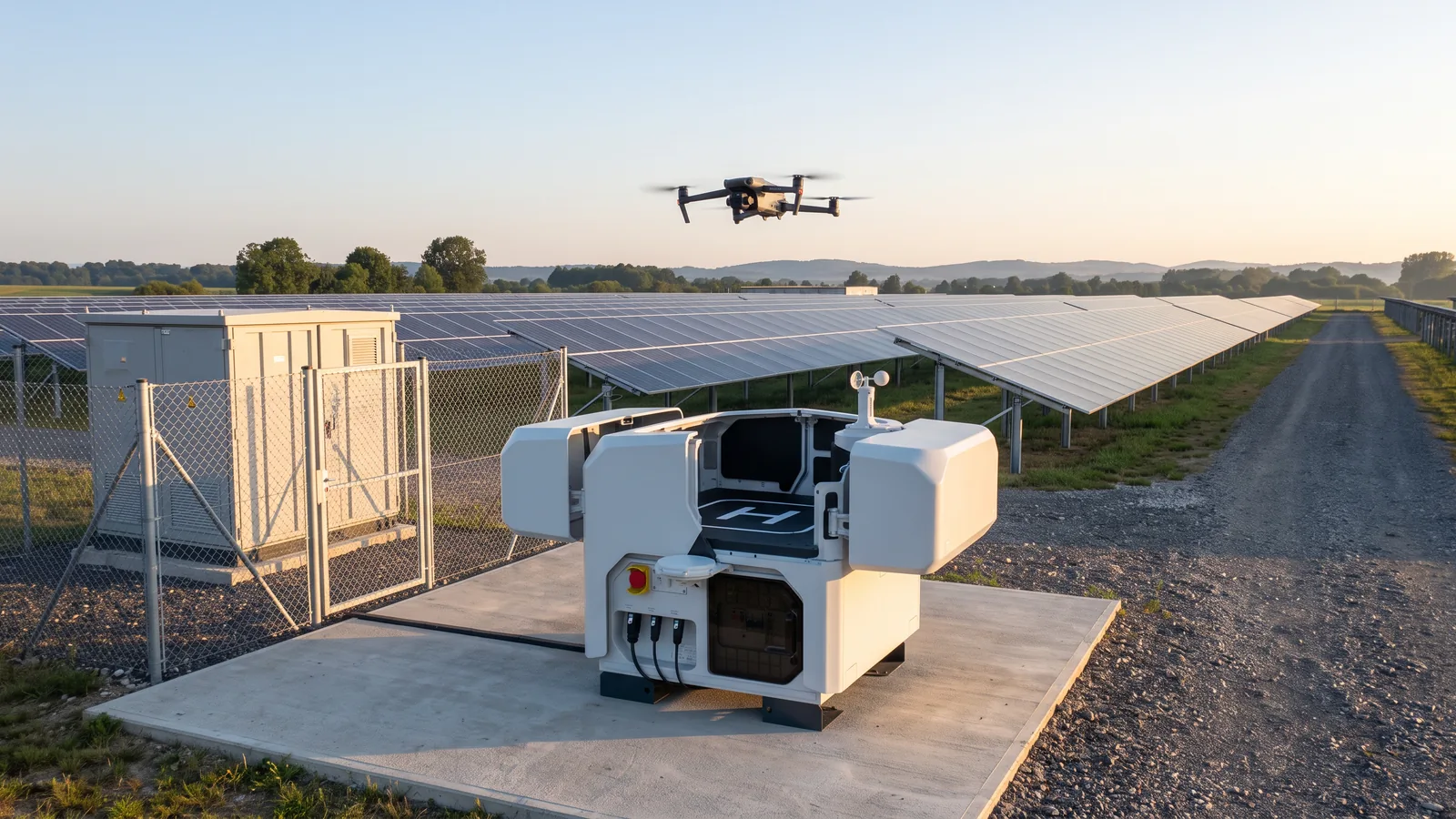 Drone inspection of solar and industrial sitesThe drone flies over modules, roofs, networks and equipment and brings back visible and thermal images, piloted on site or launched from an automated dock. Technicians keep the analysis, decisions and repairs.
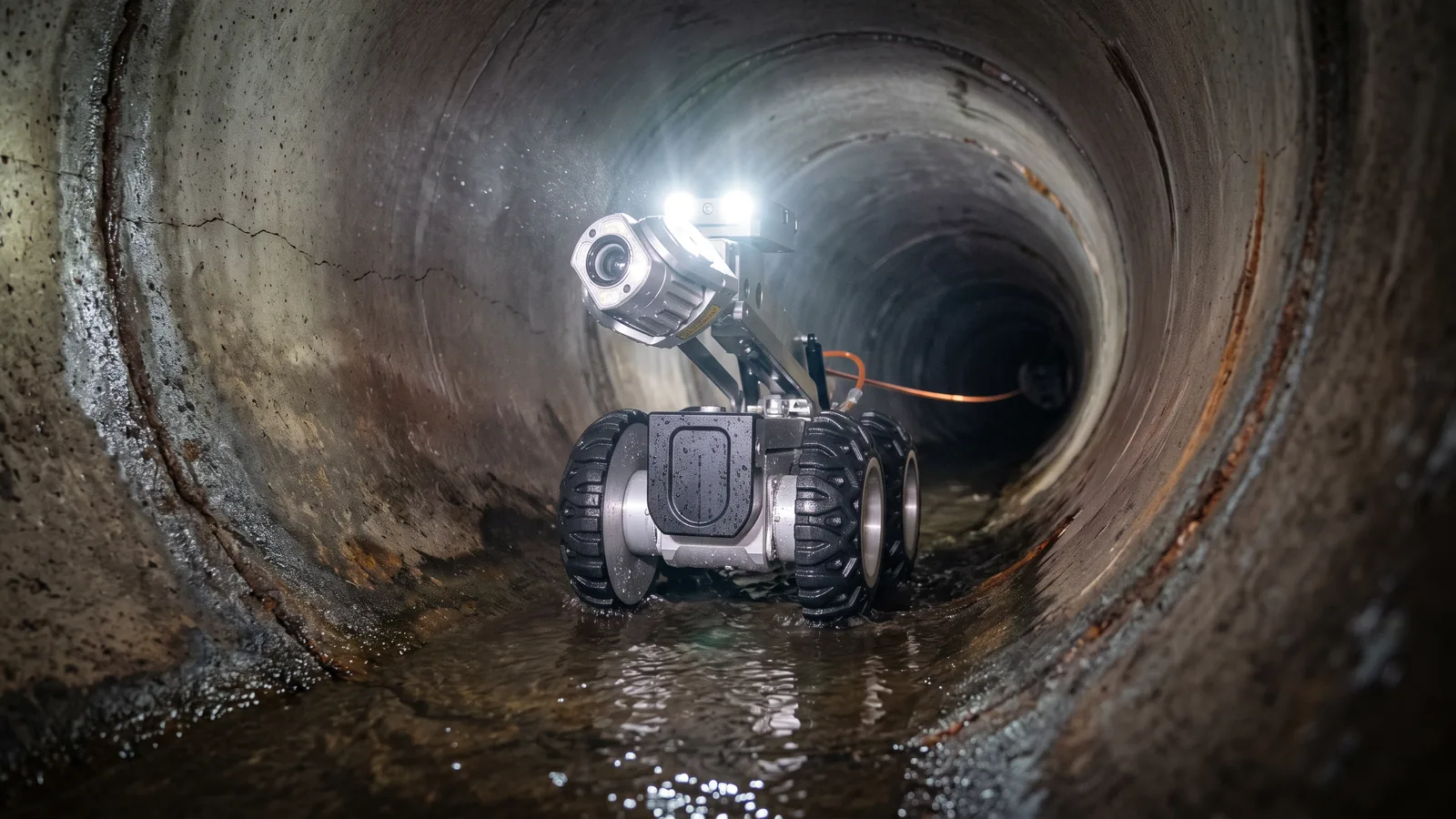 CCTV inspection of sewer pipesThe camera robot travels the sewer from the manhole and films the pipe wall, controlled from the surface. Technicians keep the diagnosis, defect coding and the choice of works.
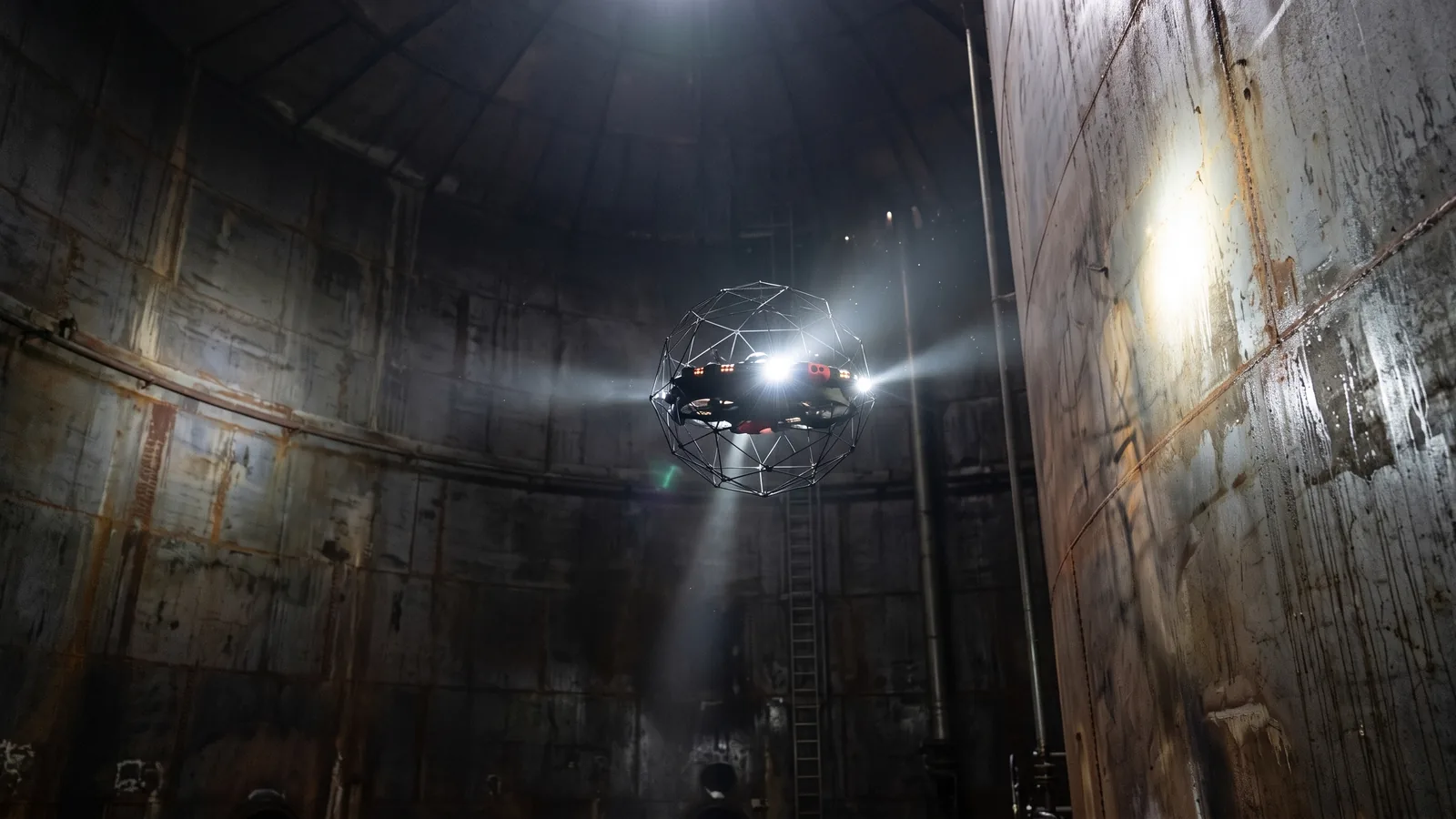 Confined-space drone inspectionThe drone goes into the tank, boiler or silo instead of the inspector and brings back images, video and 3D data. Inspectors keep the analysis, the regulatory measurements and the repair decisions.
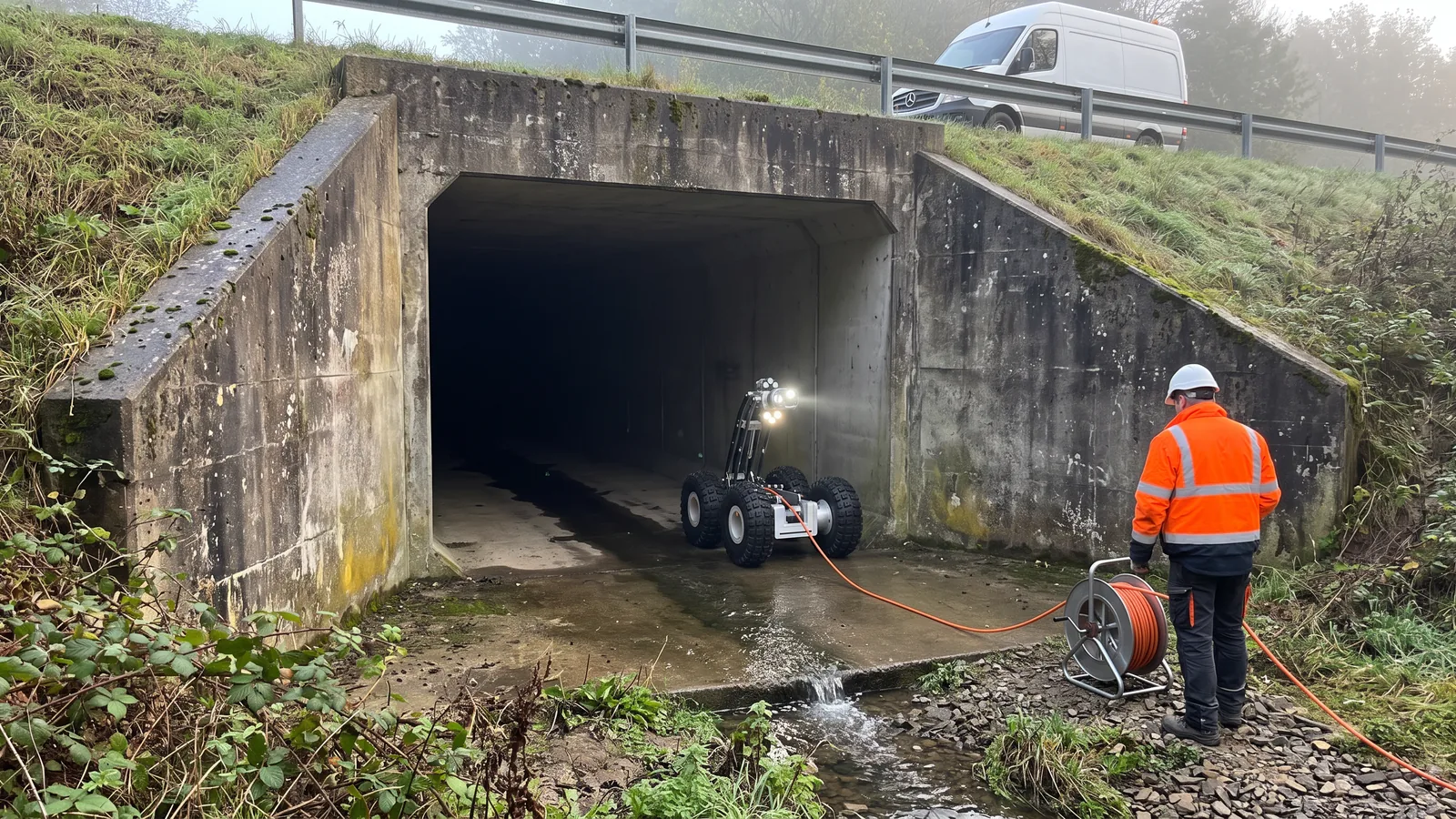 Large sewer and culvert inspectionThe robot travels through large trunk sewers, egg-shaped collectors and culverts under roads, camera centred in the section, driven from the surface. Sewer crews only go in to carry out work.
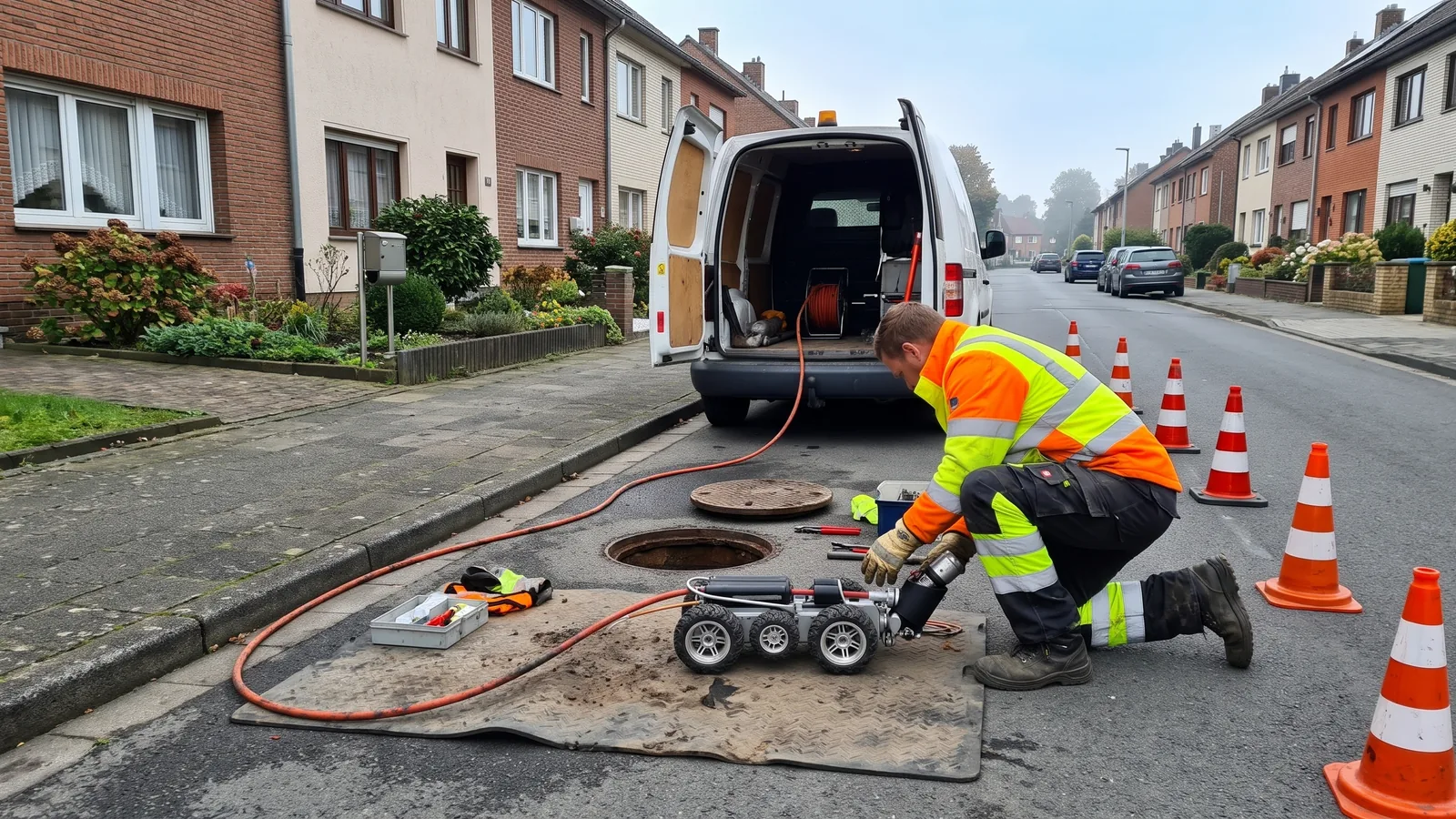 Sewer lateral inspection with a satellite cameraThe crawler drives along the main, stops at the connection and pushes a small pan-tilt camera into it. The building's lateral is inspected without opening the road or entering the property.
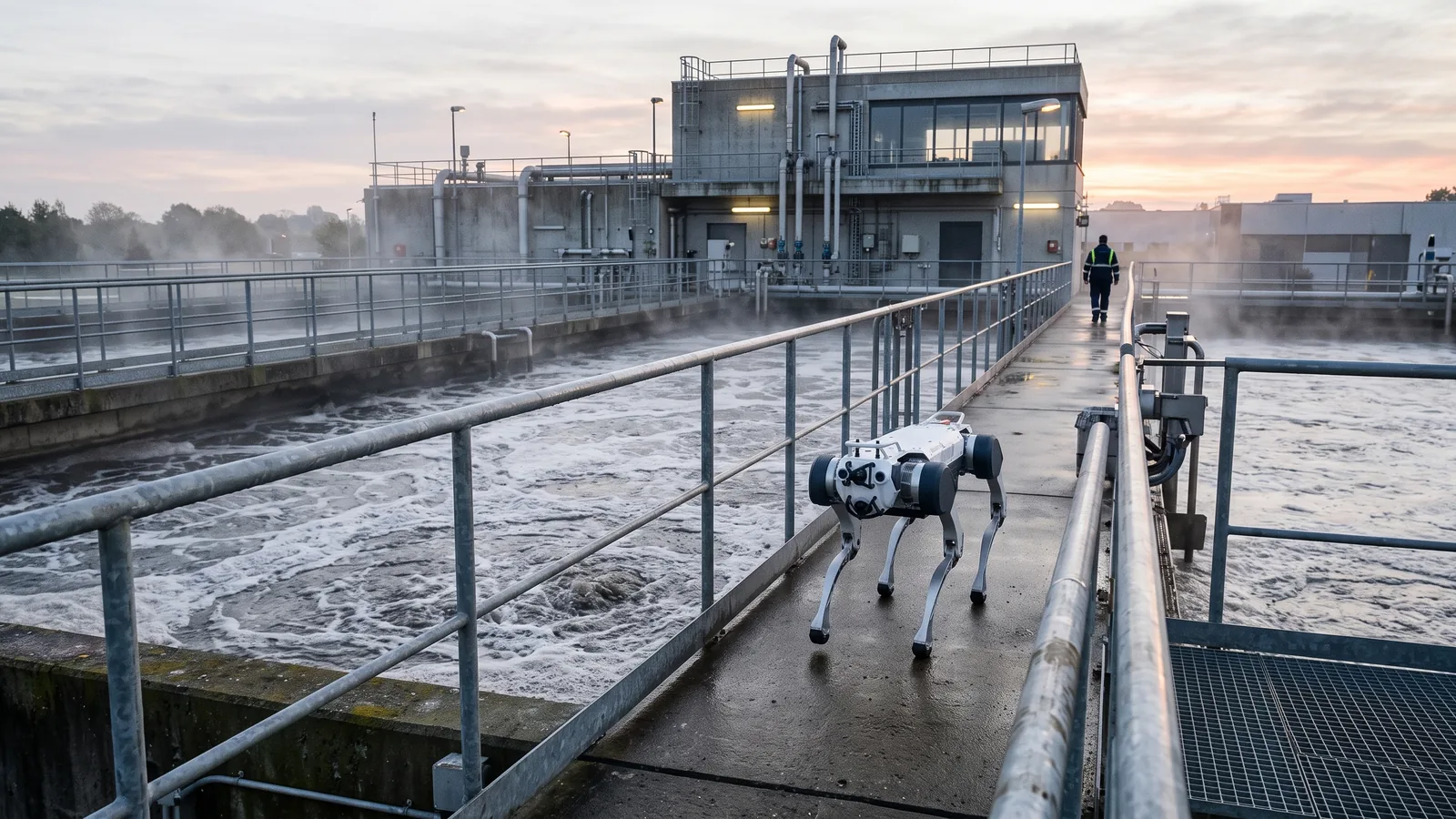 Inspection rounds in water treatment plantsThe robot tours basins, pumps and cabinets at set times and brings back images, temperatures and readings. Operators focus on deviations and running the process.
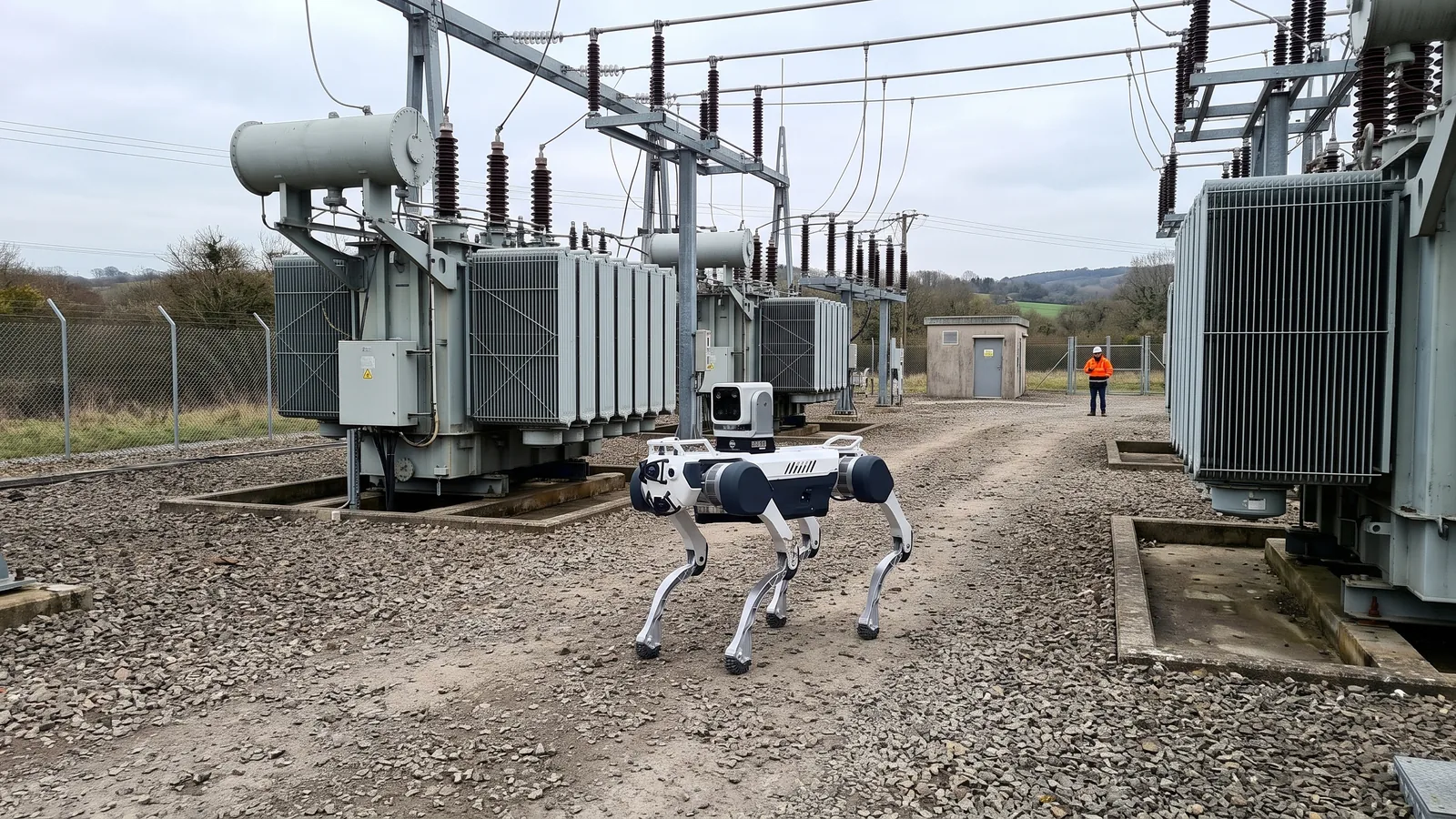 Electrical substation inspectionA ground robot patrols the substation aisles and a docked drone flies over the equipment. Together they record temperatures, gauges and visual condition, without sending someone out for every round.
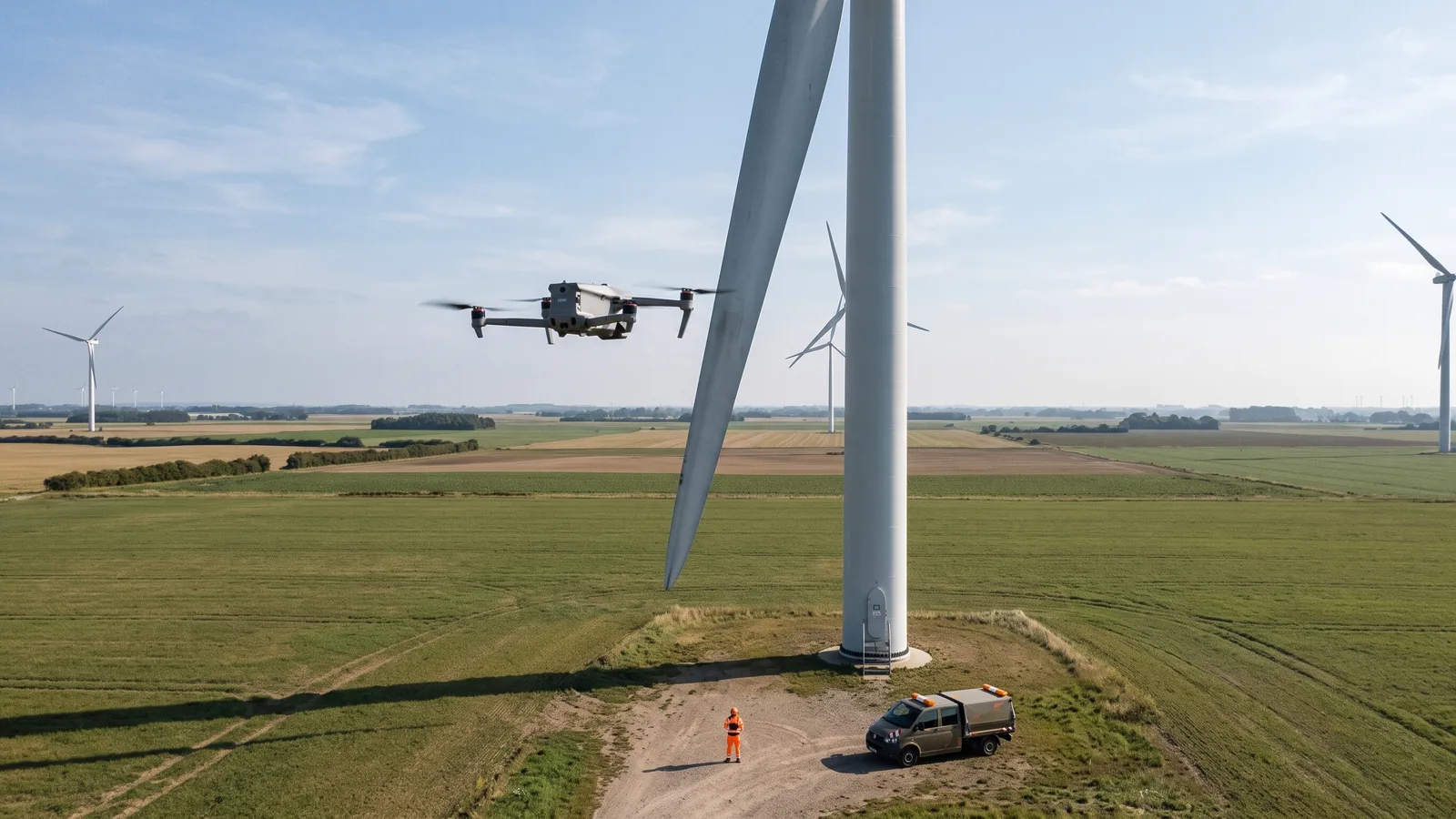 Drone inspection of power lines and wind turbinesThe drone flies along the lines and around the turbines, taking visible and thermal images of insulators, connections and blades. Maintenance crews only work at height on confirmed defects.
Robots, acquisition mode and delivery terms, in one written proposal.