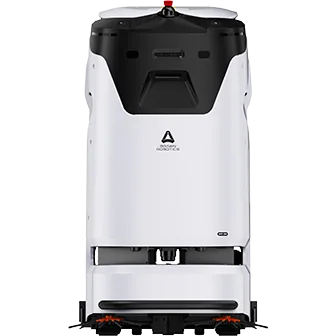
Cleaning
- Cleaning efficiency
- 1,400 sqm/h
- Working width
- 600 mm
- Runtime
- 3 h
On order
Price on request
Updated
SOLUTION · LOCAL AUTHORITIES
Town halls, schools, libraries and sports halls have large floors to clean and visitors to receive. Robots take the repetitive part.
Updated
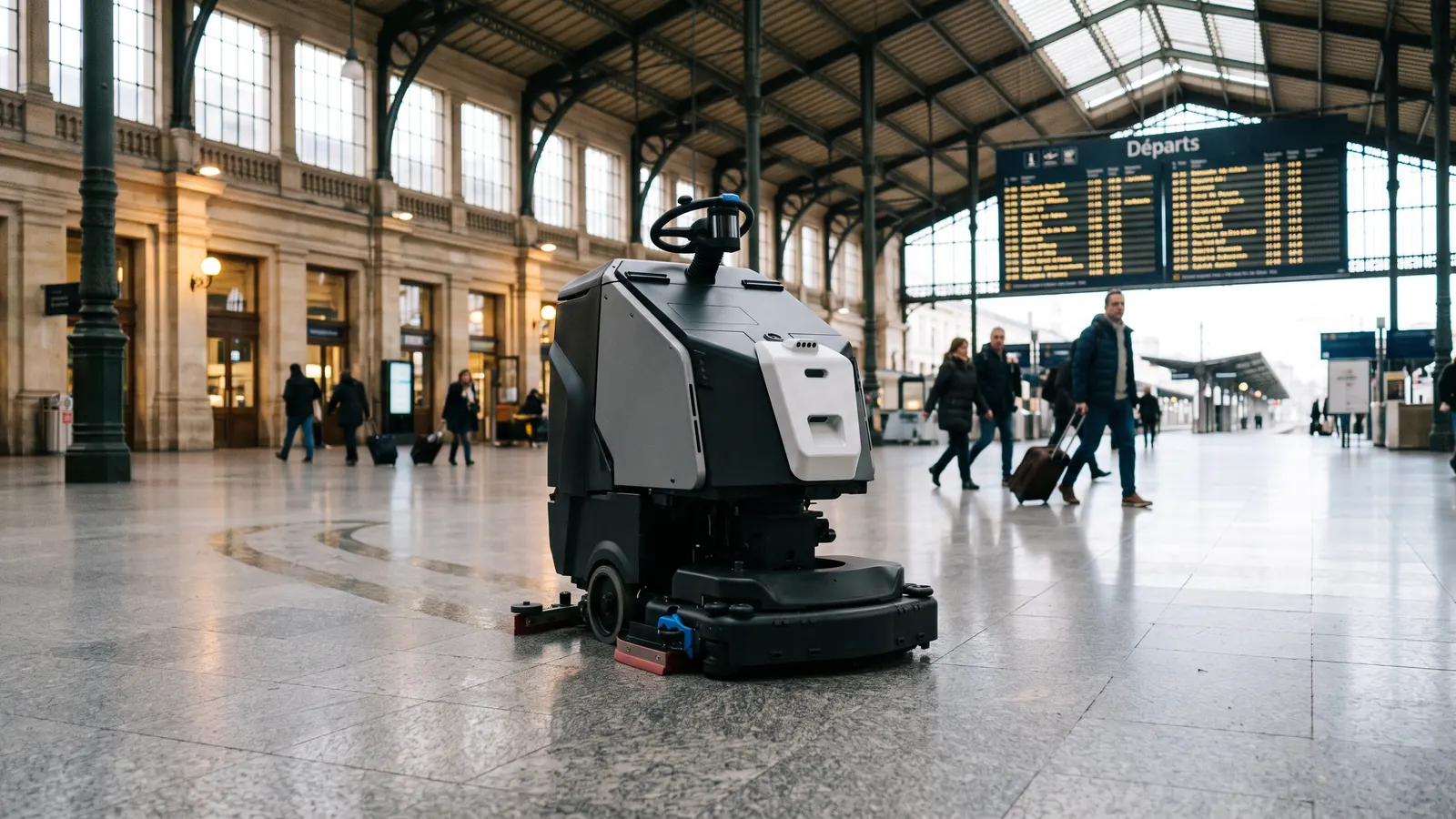
Local authorities use robots to clean large floors in public buildings, greet visitors and carry mail and supplies between offices.
Saite Jingjie street robots clean pavements, narrow streets and municipal roads: the Jingjie S2 sweeps 1,860 mm wide and runs 6 to 8 h according to its manufacturer; robot mowers are shown on the Green spaces page.
Robot Distribution answers public tenders and supplies robots for purchase, rental or RaaS.
WHAT ROBOTS DO
Halls, corridors, gyms and libraries are scrubbed or vacuumed on a schedule, often before opening hours.
A service robot with a screen greets visitors and shows the way to a department or a room.
Mail, files and supplies travel between offices and floors in a robot's compartments.
USE CASES
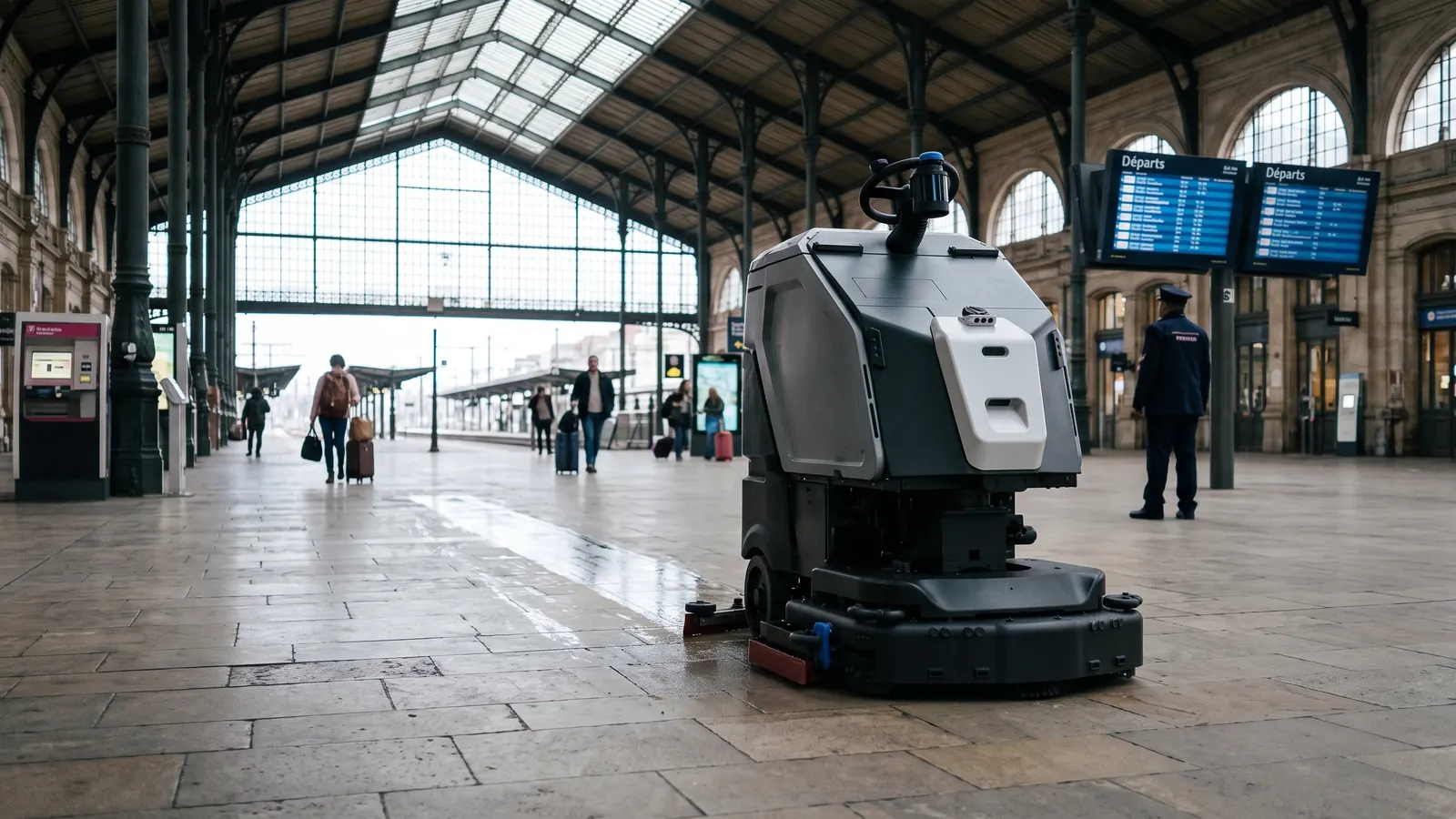 Public space cleaningRobots scrub large concourses and sweep forecourts on programmed routes. Staff keep washrooms, furniture, bins and the welcome of the public.
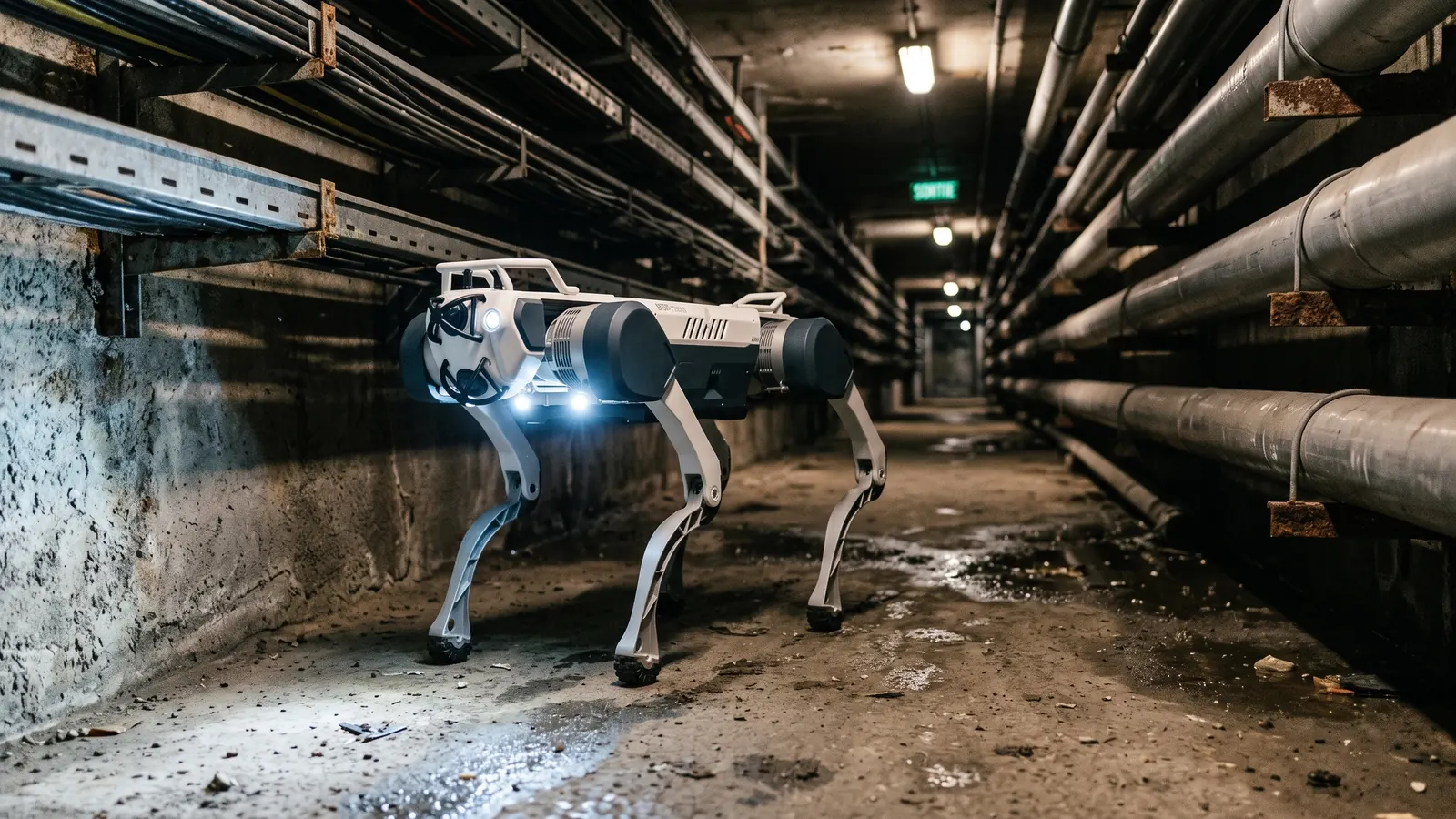 Tunnel and utility inspectionThe robot walks utility tunnels, road tunnels and underground car parks and brings back dated images and readings. Staff keep their descents for repairs.
 Autonomous road sweepingThe autonomous sweeper follows its routes by night or day, electrically, and returns on its own at the end of the cycle. Street cleaning staff keep manual litter picking, bins, fly-tipping and supervision.
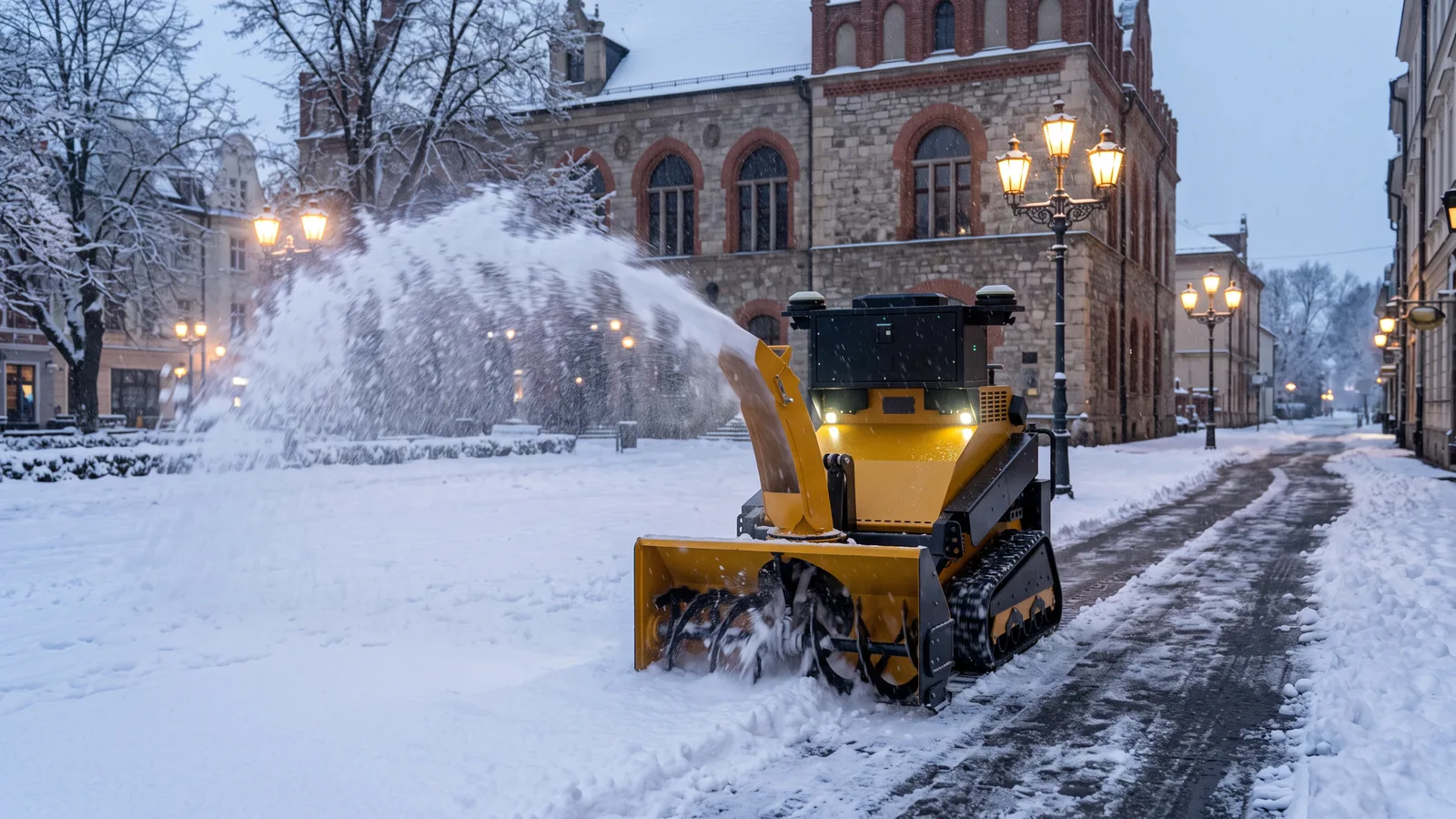 Robotic snow clearing of paths and car parksThe robot clears snow and treats ice on recorded routes, early in the morning or during the snowfall. Staff keep the steps, awkward access points, monitoring and emergency call-outs.
MATCHING ROBOTS
Cleaning
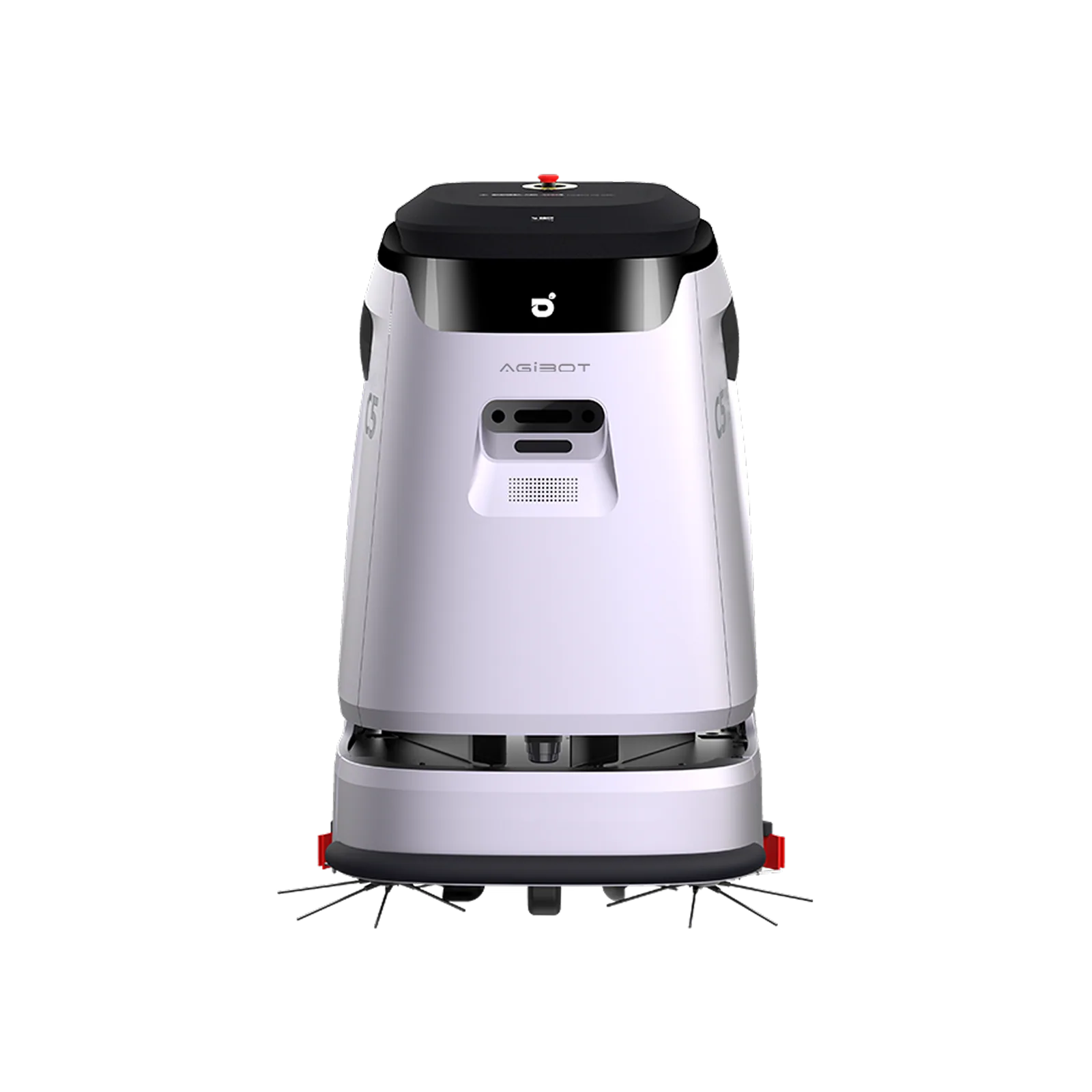
Cleaning
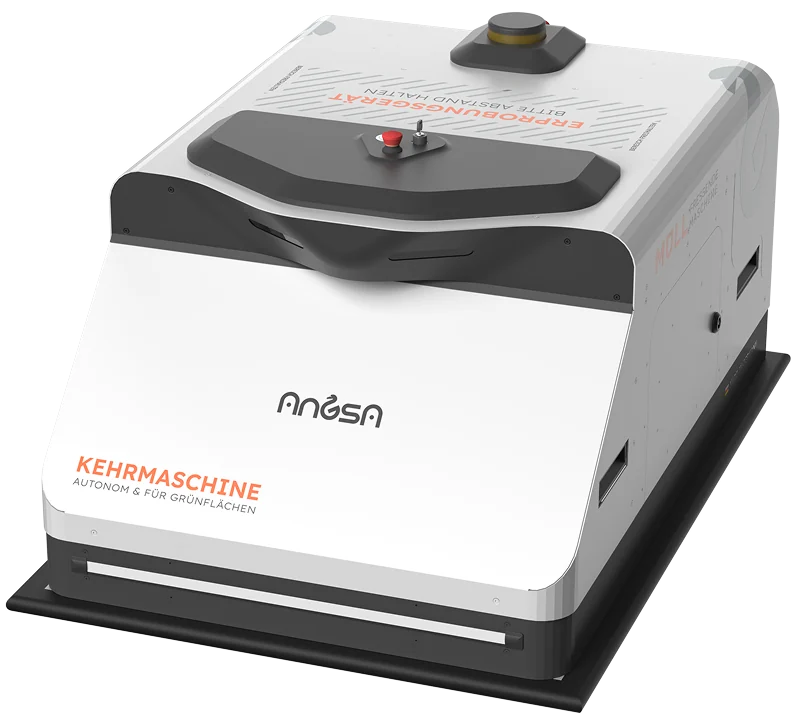
Cleaning
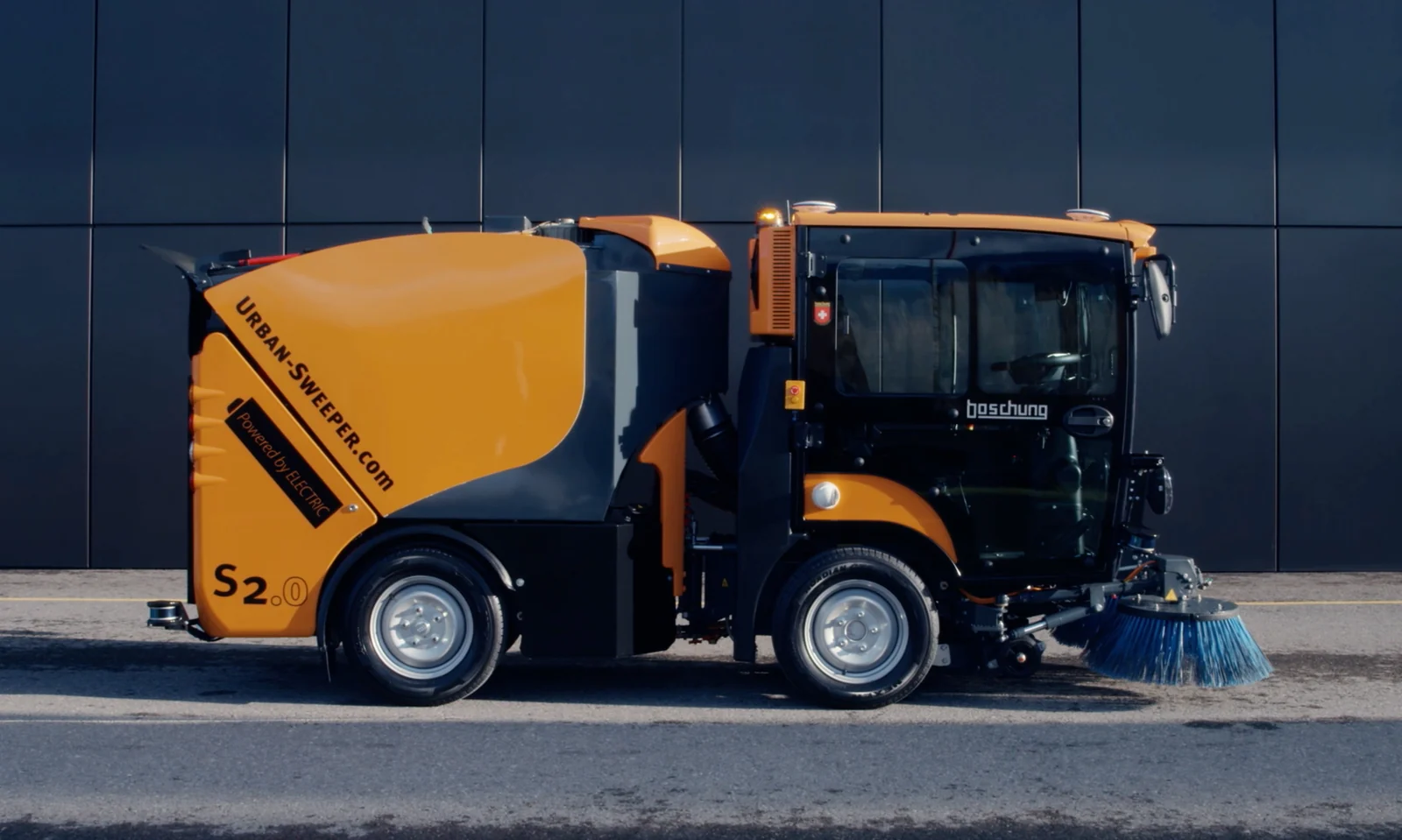
Cleaning
Delivery and service
Delivery and service
Delivery and service
Delivery and service
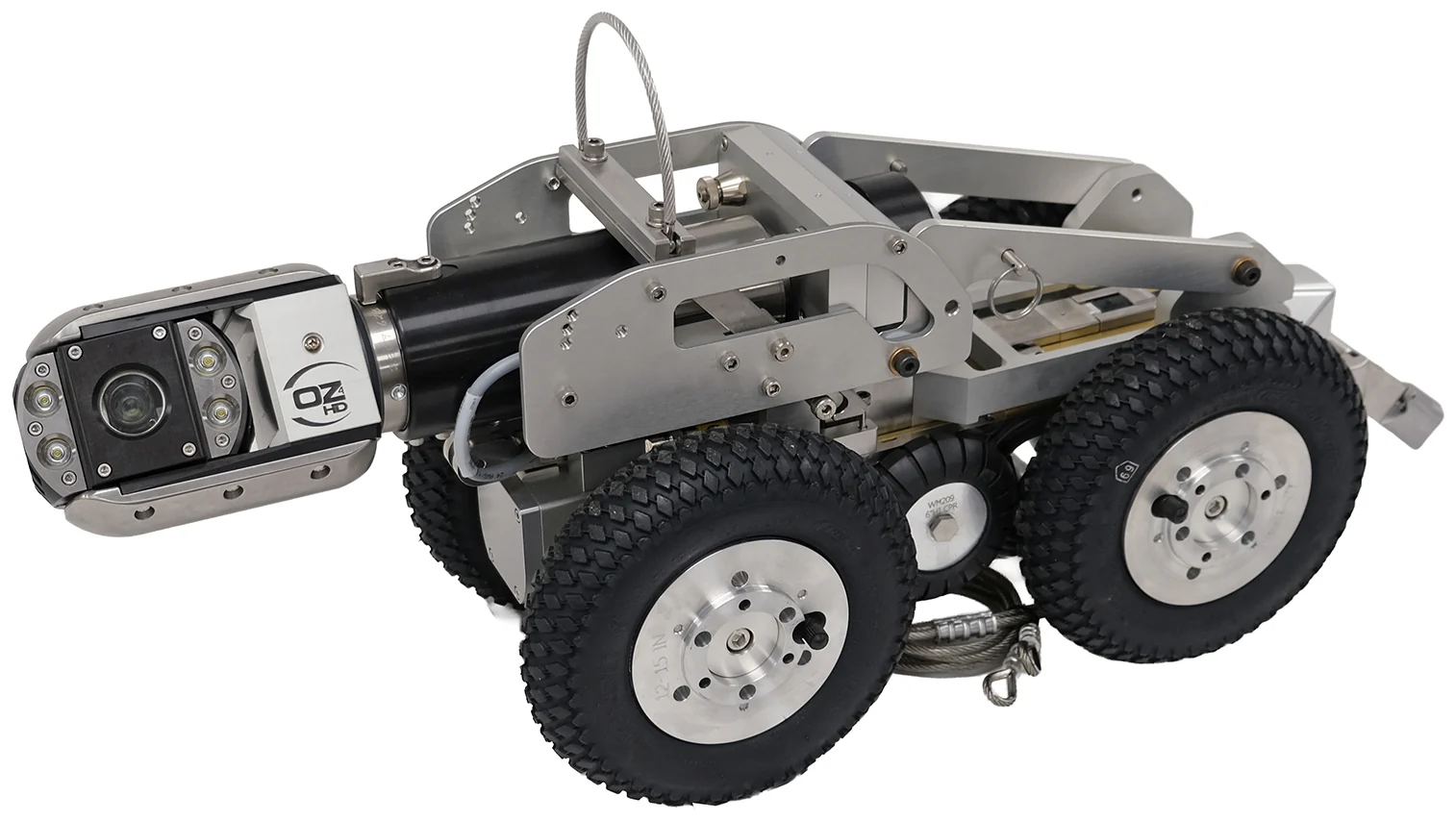
CUES
Pipe and sewer inspection
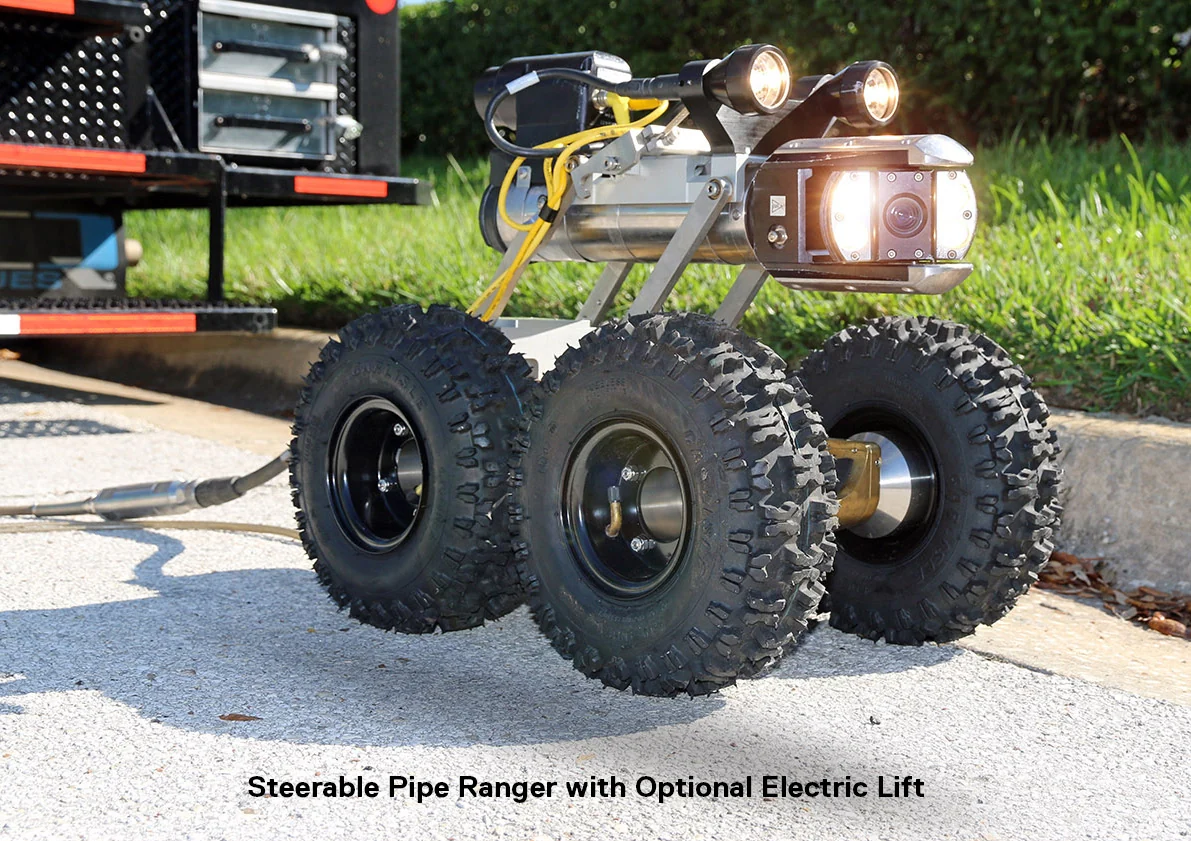
CUES
Pipe and sewer inspection
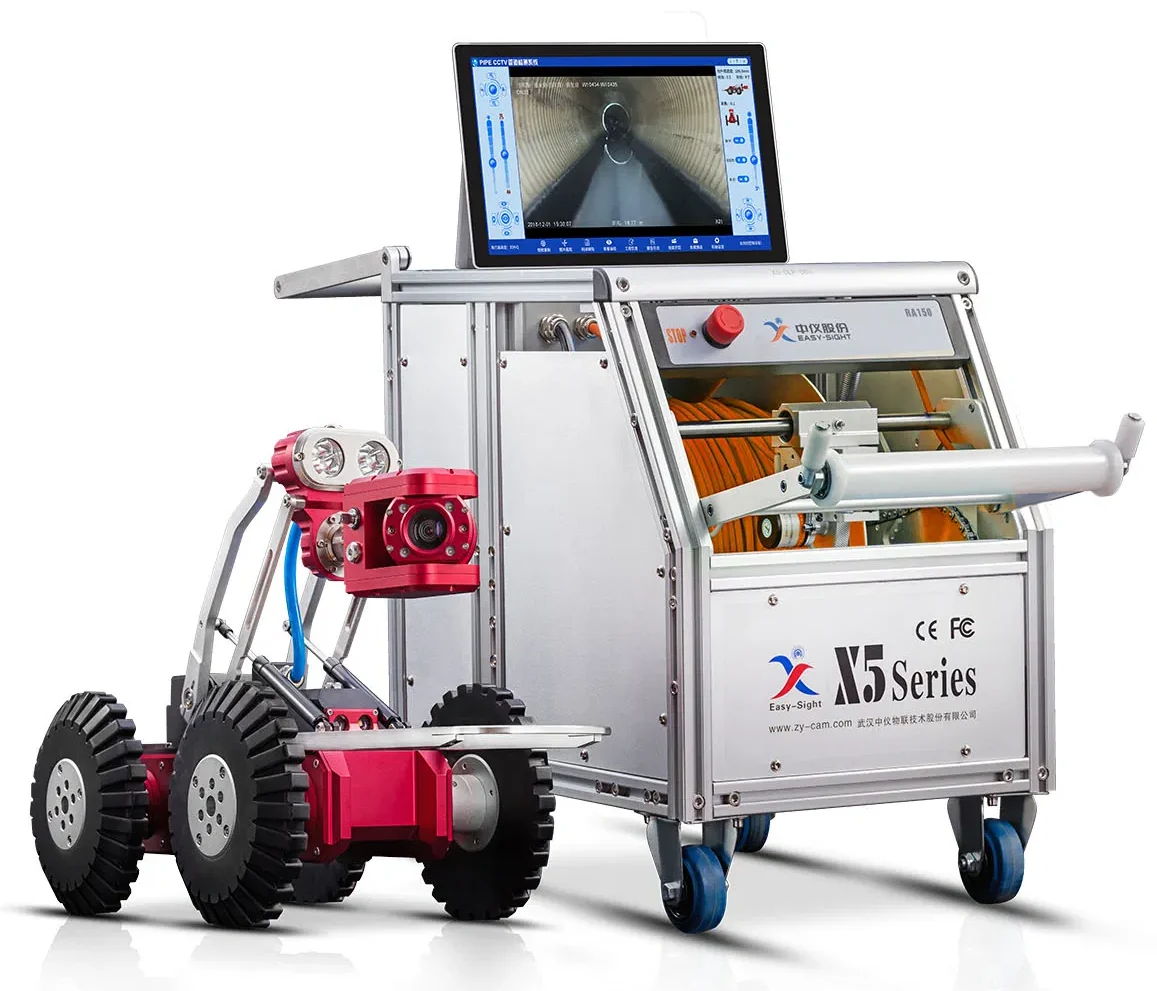
Easy-Sight
Pipe and sewer inspection
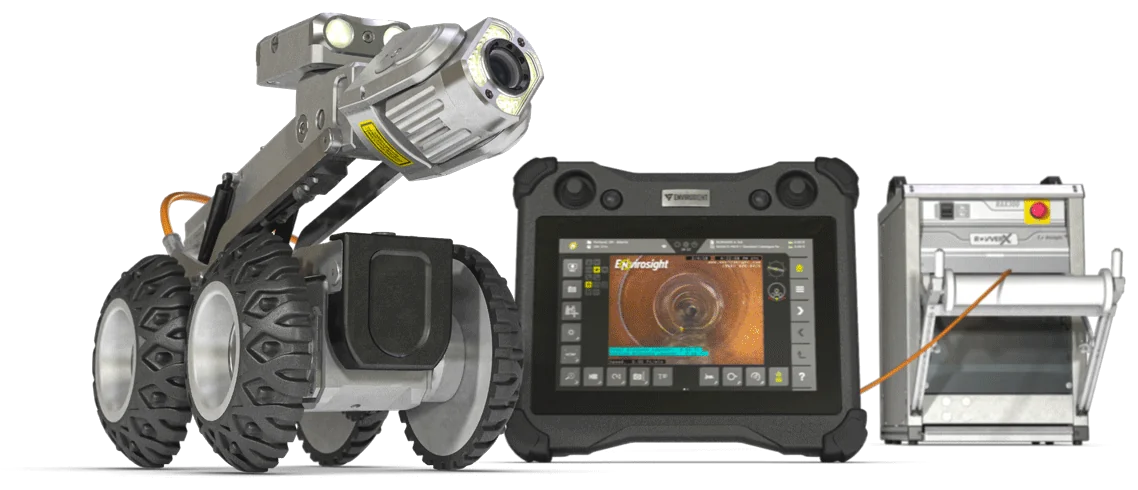
Pipe and sewer inspection
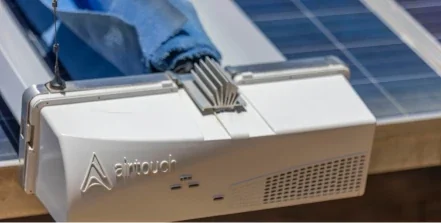
Solar panel cleaning
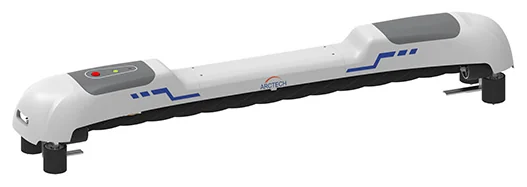
Solar panel cleaning
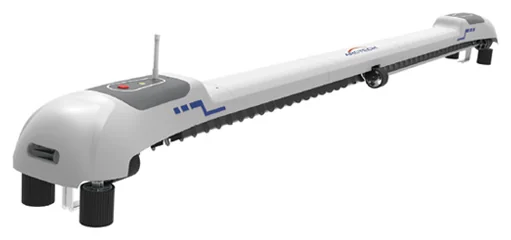
Solar panel cleaning
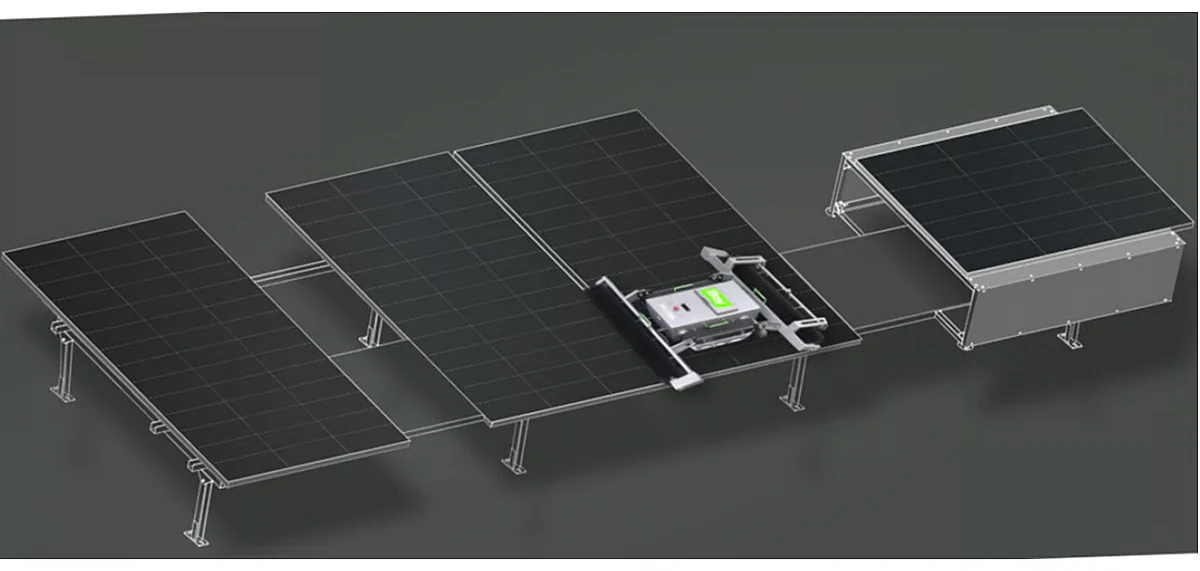
BayRobot
Solar panel cleaning
Figures from the manufacturers' published specifications, checked . Prices ex VAT shown as "from" prices, or on quote.
HOW DEPLOYMENT WORKS
We walk the routes with you before any order: passage widths, door thresholds, floor gaps, slopes, lifts and doors, Wi-Fi coverage, charging and water points. The survey decides the model.
The robot is mapped on site, routes and no-go zones are set, and lifts, doors or call systems are connected where the model supports it.
Operators learn daily use, charging and cleaning, error recovery and the emergency stop. One site lead learns to change routes and maps.
Remote diagnosis first, then a part or a technician. Preventive maintenance and software updates can be part of a service contract or of a RaaS fee.
ACQUISITION
REGULATION
Updated · General information, not legal advice.
Read the Machinery Regulation guideFAQ
Yes. Robot Distribution answers public and private tenders and provides the technical documents a tender asks for, including the EU declaration of conformity of each robot.
Yes. For streets, the catalogue lists the Saite Jingjie S1, S2, S3 and S5 autonomous sweepers, for pavements, narrow streets, parks and municipal roads; operating on public roads is prepared with the local authority. For mowing, Mammotion and UBTECH robots are shown on the Green spaces page.
A cleaning robot detects people and obstacles and slows down or stops, but most schools schedule cleaning outside class hours. Routes and no-go zones are set at commissioning.
Yes. A short rental, from 1 day to 12 months, lets a department test a robot on one site before writing the specifications of a tender.
Robots, acquisition mode and delivery terms, in one written proposal.