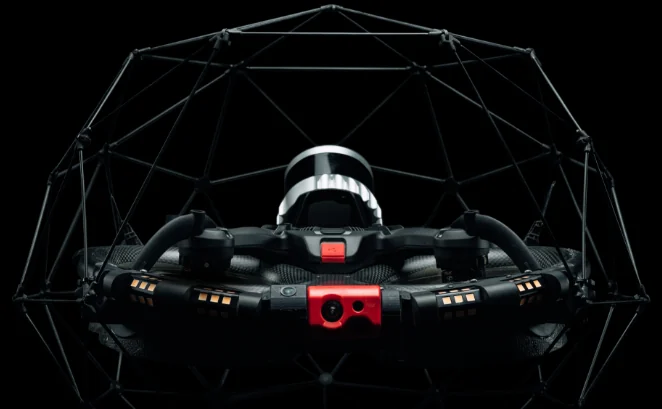
Professional drones
- Key feature
- 16,000 lm lighting
- Key feature
- 12.5–17 min flight time
- Key feature
- LiDAR SLAM, no GPS needed
On order
From €73,390 ex VATor €2,499/month in RaaS
Updated
USE CASE · INDUSTRY
The drone goes into the tank, boiler or silo instead of the inspector and brings back images, video and 3D data. Inspectors keep the analysis, the regulatory measurements and the repair decisions.
Updated
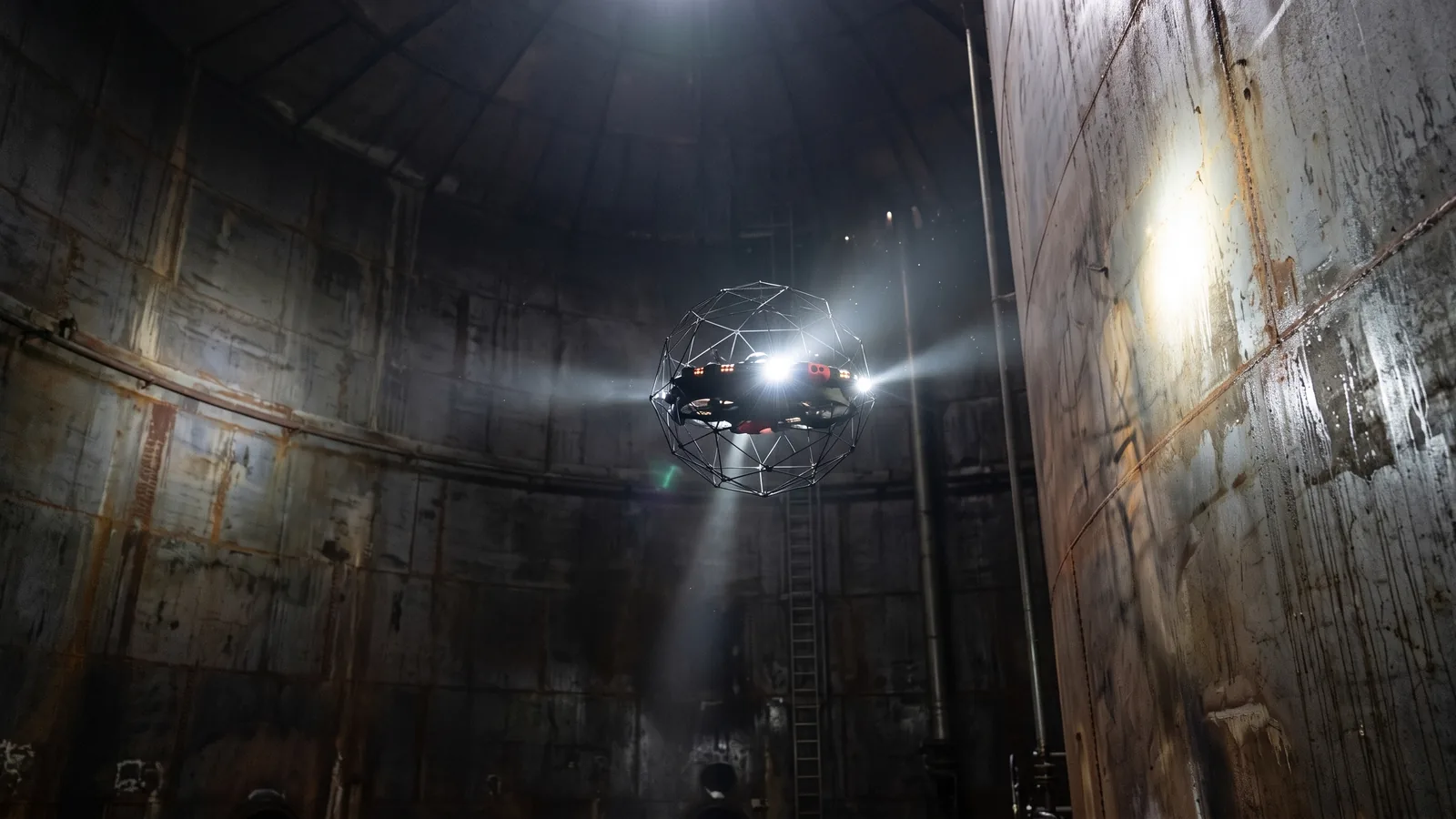
A confined-space inspection drone flies inside tanks, boilers, silos, chimneys and galleries, without GPS, protected against impacts by a cage.
The Flyability Elios 3 navigates by LiDAR, lights the interior with 16,000 lumens and flies more than 12.5 minutes, up to 17 minutes with the high-capacity battery, according to its manufacturer.
Robot Distribution delivers it, plans the inspection missions with you, trains your pilots and maintains it, to buy, rent or as RaaS.
WHY
Inspecting the inside of a tank, boiler or silo often means a shutdown, cleaning, ventilation, a confined-space entry permit and sometimes scaffolding. Sending a person into these spaces remains a risky, supervised operation that takes time to prepare.
The drone allows a first visual examination with no human entry, or limits entries to the areas that need measuring. The EU drone framework (Regulations (EU) 2019/947 and 2019/945) covers outdoor flights; inside a structure, the site's safety and confined-space rules apply.
HOW IT RUNS
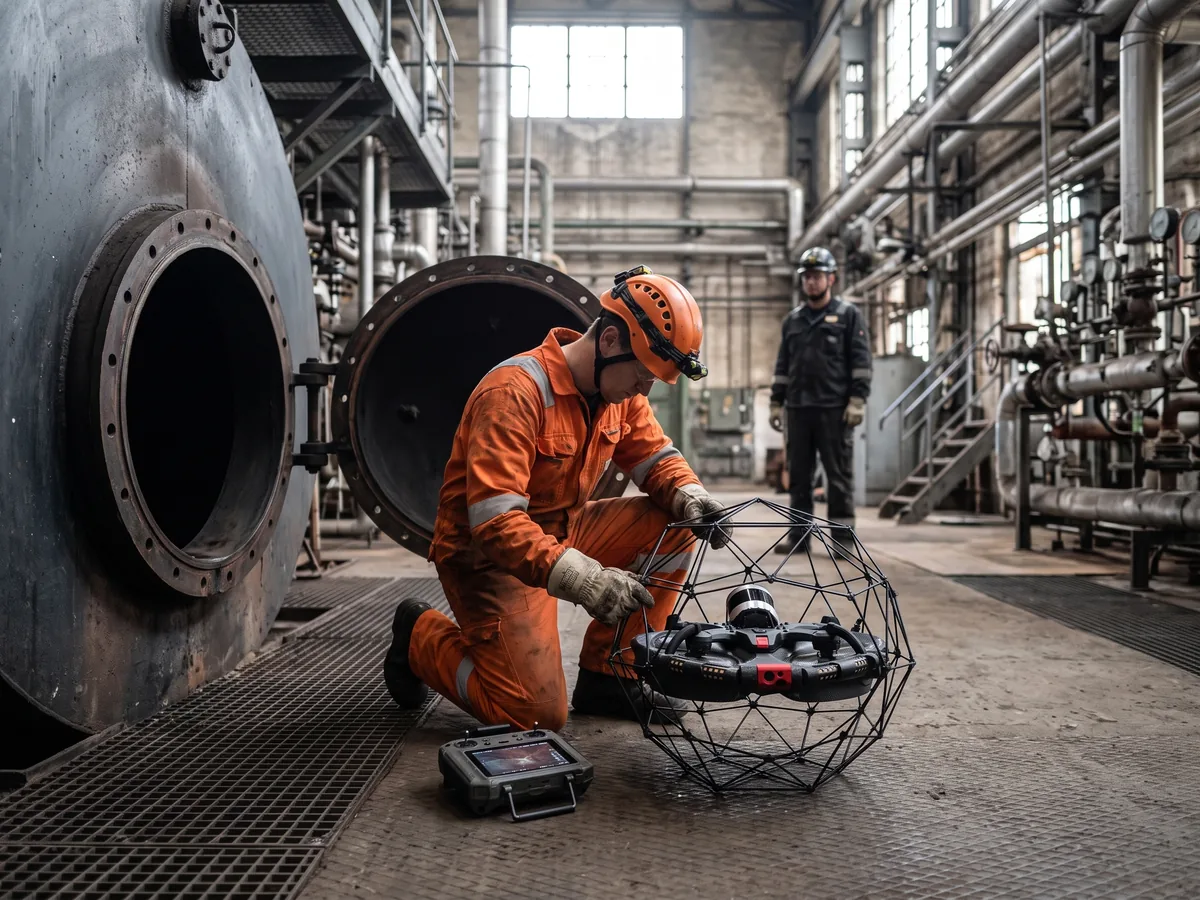
With the operator we define the area to inspect, the access point (manhole, hatch), the defects sought and site rules. The Flyability Elios 3 is 48 cm wide, according to its manufacturer: the opening size is checked.
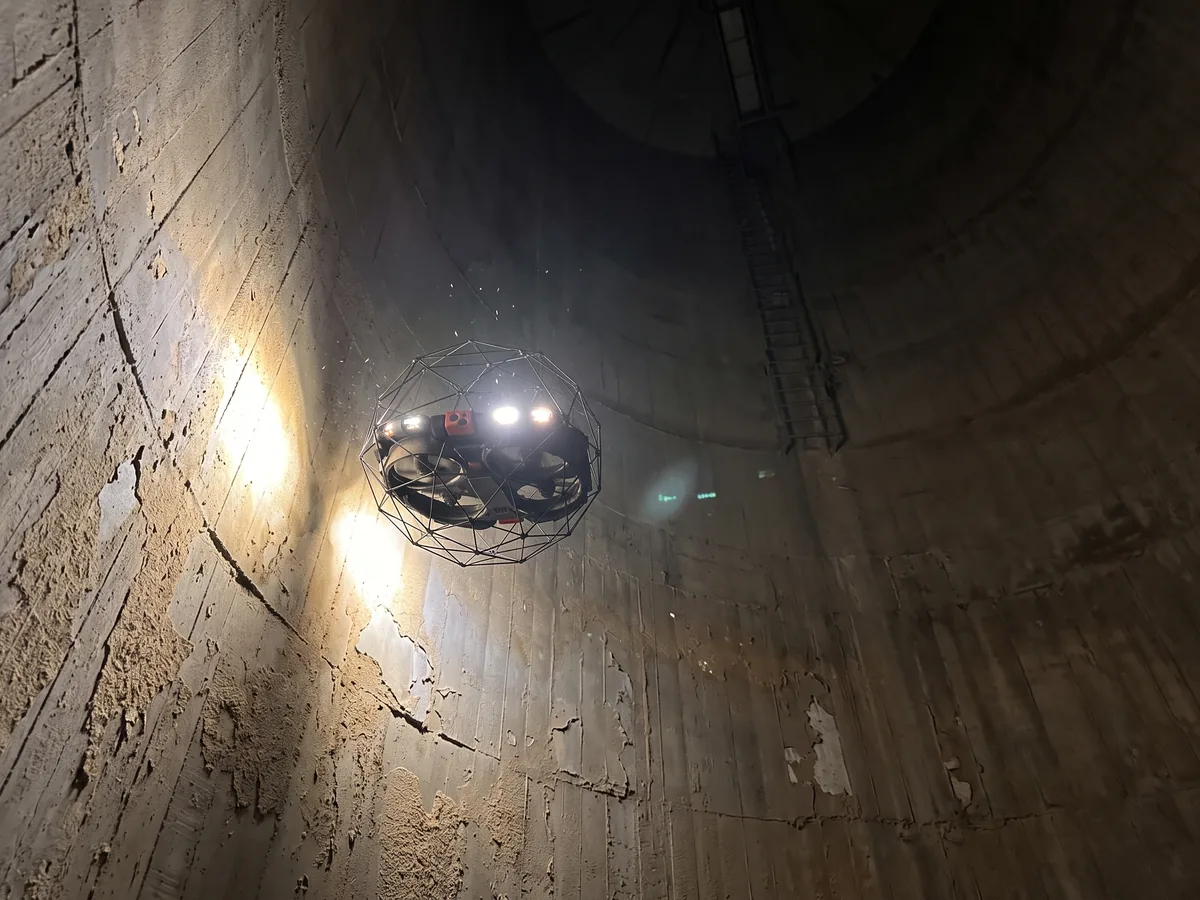
The pilot flies the drone in through the opening. Its cage absorbs contact with the walls; LiDAR stabilises it without GPS, and its 16,000-lumen lighting reveals the surfaces, according to its manufacturer.
The drone films in 4K, records thermal images and builds a 3D model of the space. According to its manufacturer, the Elios 3 also takes ultrasonic thickness, gas and radiation payloads.
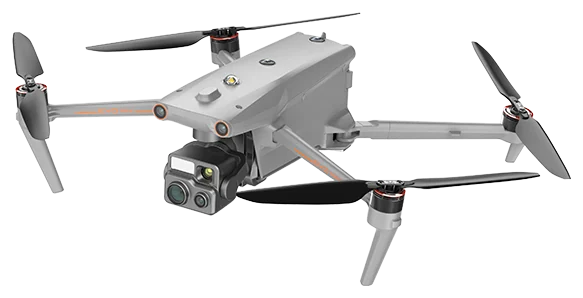
Images are located on the 3D model, defects are marked and compared from one inspection to the next. For the outside of chimneys, flare stacks and tanks, the Autel EVO Max 4T V2 measures distances up to 1,200 m with its laser rangefinder, according to its manufacturer.
THE ROBOTS
Professional drones
Professional drones
Skydio
Professional drones
Professional drones
BEFORE INSTALLING
Manhole diameter, internal volume, obstacles (agitators, tubes, walkways) and distance from the access point set the drone and the mission.
Gas, dust, humidity and temperature are assessed with the operator; the Elios 3 works from 0 to 50 °C with an IP44 equivalent rating, according to its manufacturer. ATEX zones need a specific assessment.
Video, thermography, 3D point cloud or thickness measurement: the deliverables drive the choice of payloads and the report format.
Lock-out, work permit, pilot and observer roles, and radio link with the drone inside metal walls are all agreed with the site.
FAQ
The Flyability Elios 3 positions itself by LiDAR and SLAM, which map the space around it in real time, according to its manufacturer. It needs no satellite signal.
The Elios 3 is designed to tolerate collisions: a protective cage surrounds the drone and its propellers, according to its manufacturer. It can follow walls and pass through narrow gaps.
More than 12.5 minutes, and up to 17 minutes with the high-capacity battery for the Elios 3, according to its manufacturer. An inspection takes several flights, with battery changes between them.
According to its manufacturer, the Elios 3 combines a 4K camera, a radiometric thermal camera and LiDAR for the 3D model, and takes ultrasonic thickness, radiation and gas payloads.
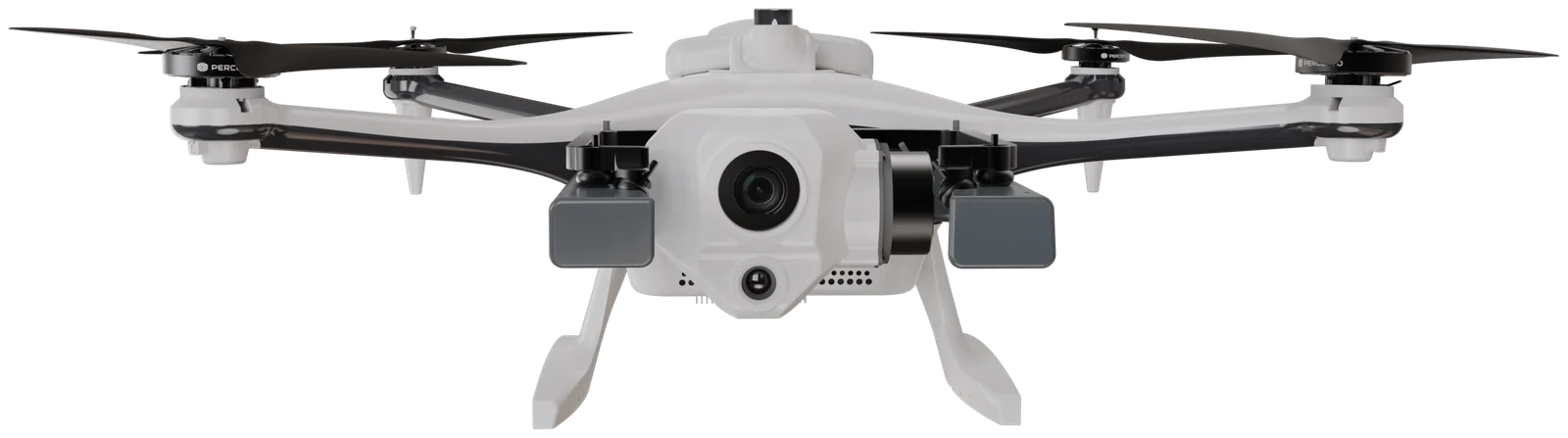
An outdoor drone takes over: the Autel EVO Max 4T V2 flies up to 42 minutes with a 640 × 512 thermal camera, and the Skydio X10 up to 40 minutes with an IP55 rating, according to their manufacturers. These flights fall under Regulations (EU) 2019/947 and 2019/945.
USE CASES
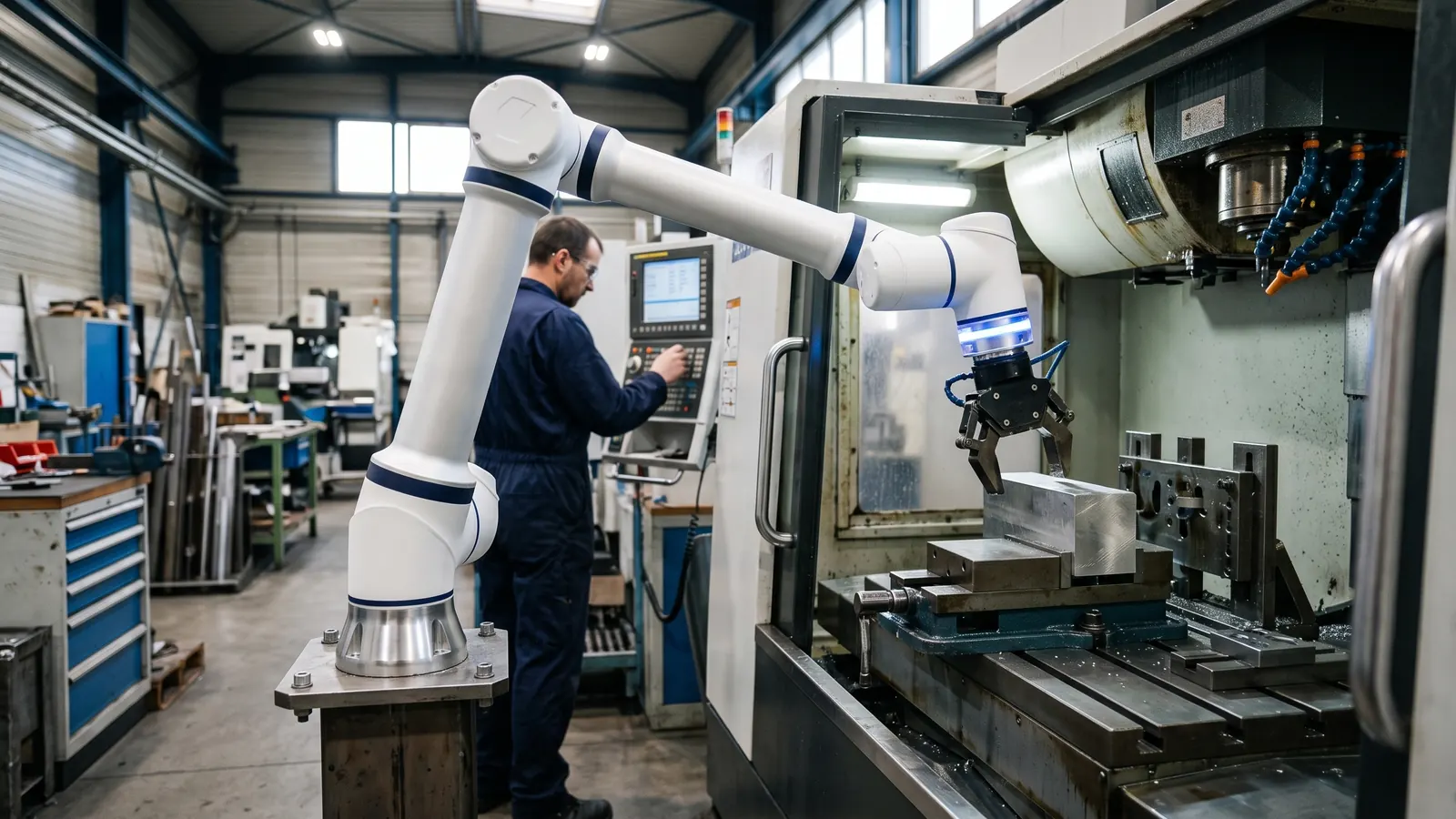 CNC machine tendingThe cobot does the repetitive move at the machine door. The setter keeps the skilled work: programs, tooling, measuring and first-off parts.
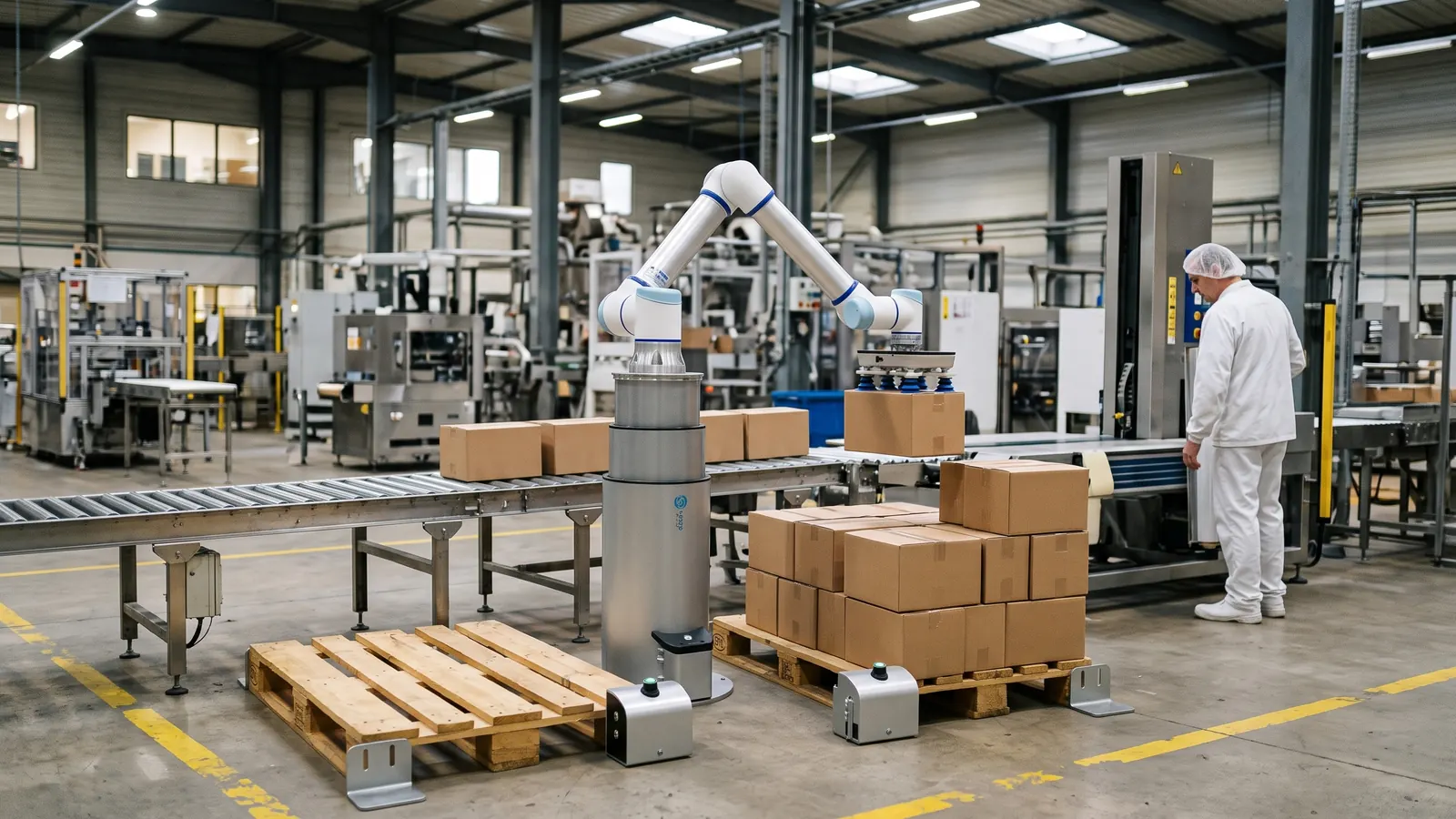 End-of-line palletizingThe cobot builds the pallets at the end of the line. The operator no longer lifts cases: he supplies, wraps, moves full pallets out and watches production.
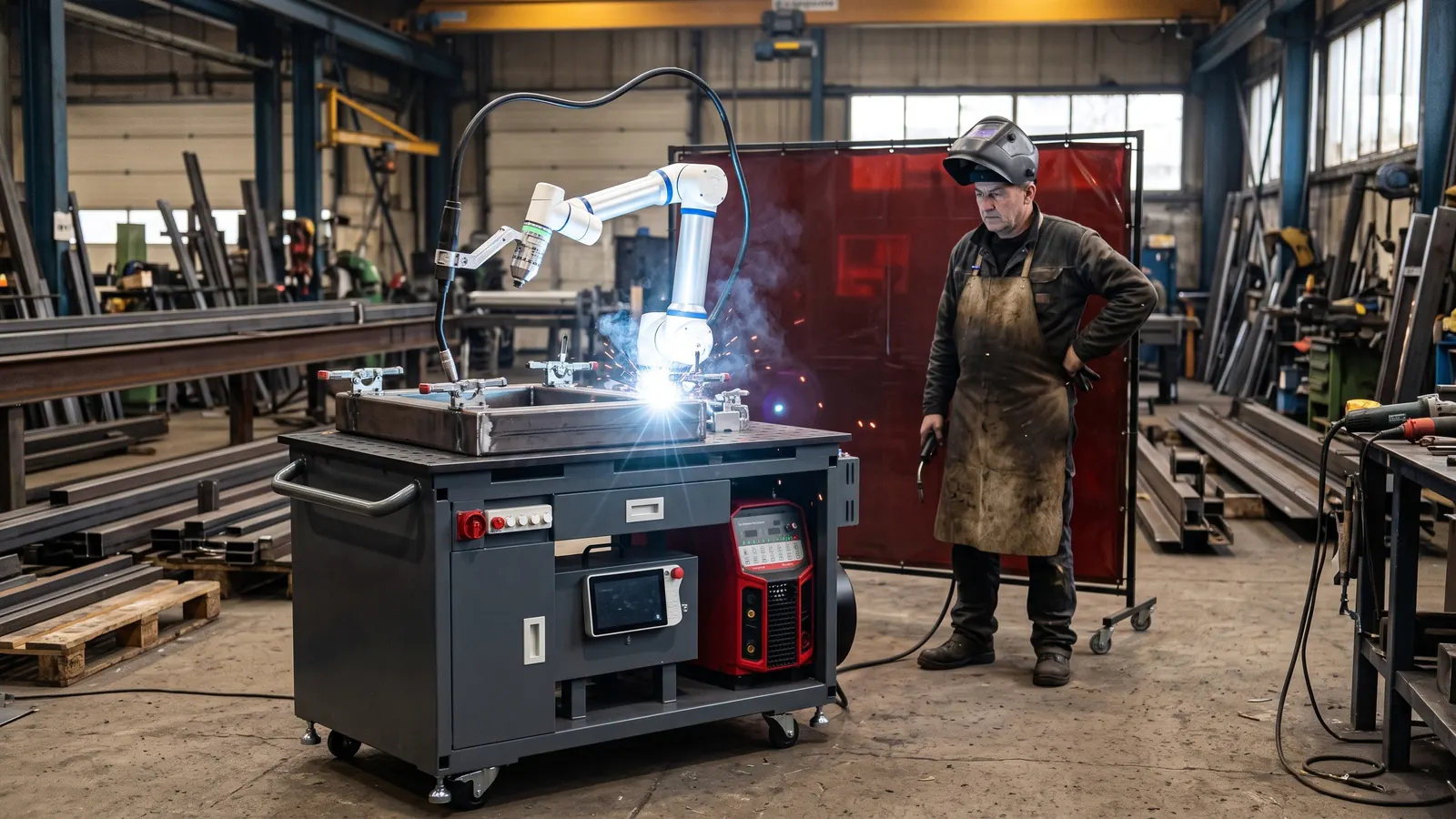 Collaborative weldingThe welder keeps the craft: preparation, tacking, setting parameters and checking the welds. The cobot takes the repetitive welds of the batch.
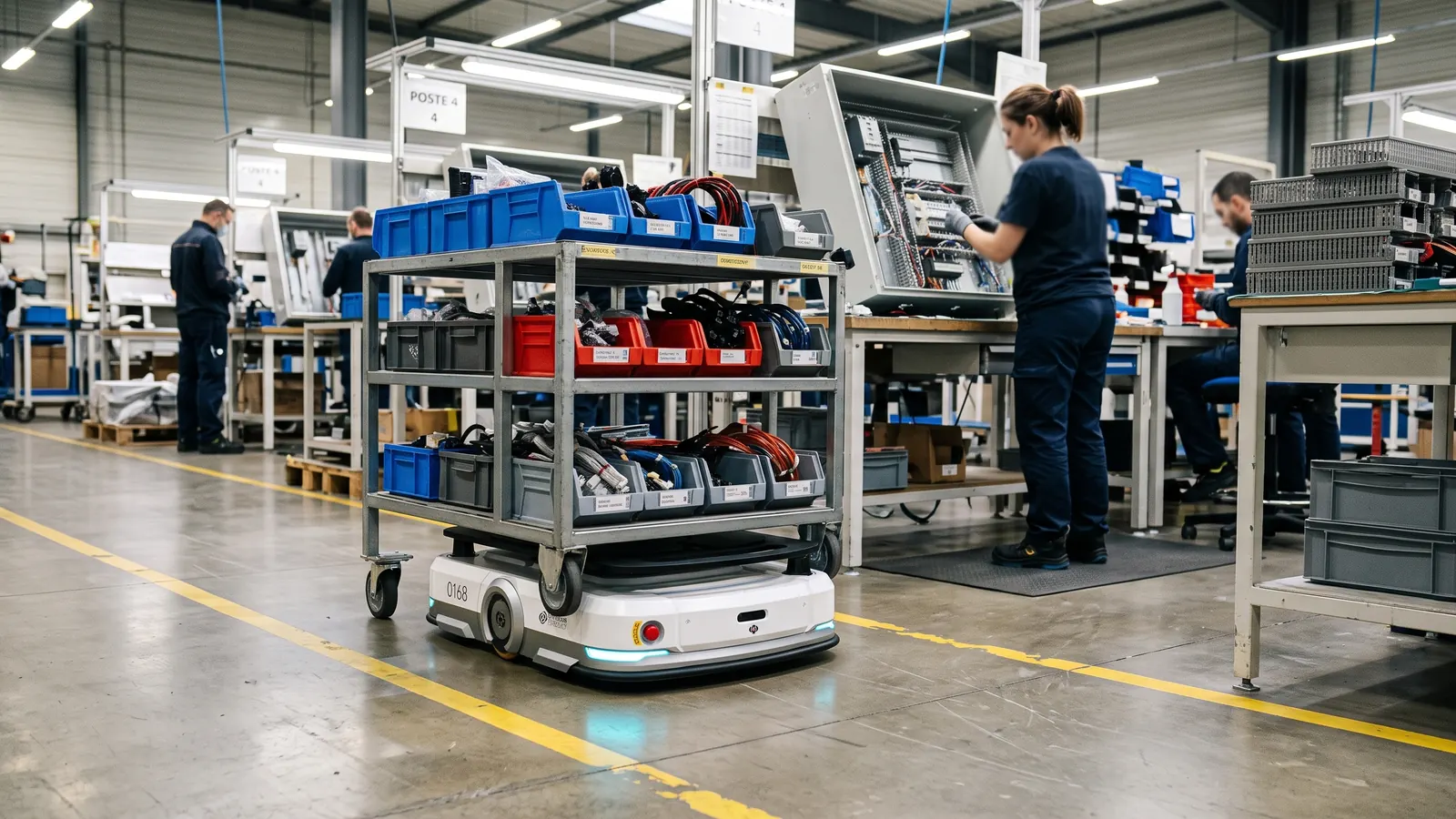 Line-side feedingThe mobile robot runs the milk run between stores and the line. Operators no longer leave their station to fetch parts, and the storekeeper prepares instead of driving.
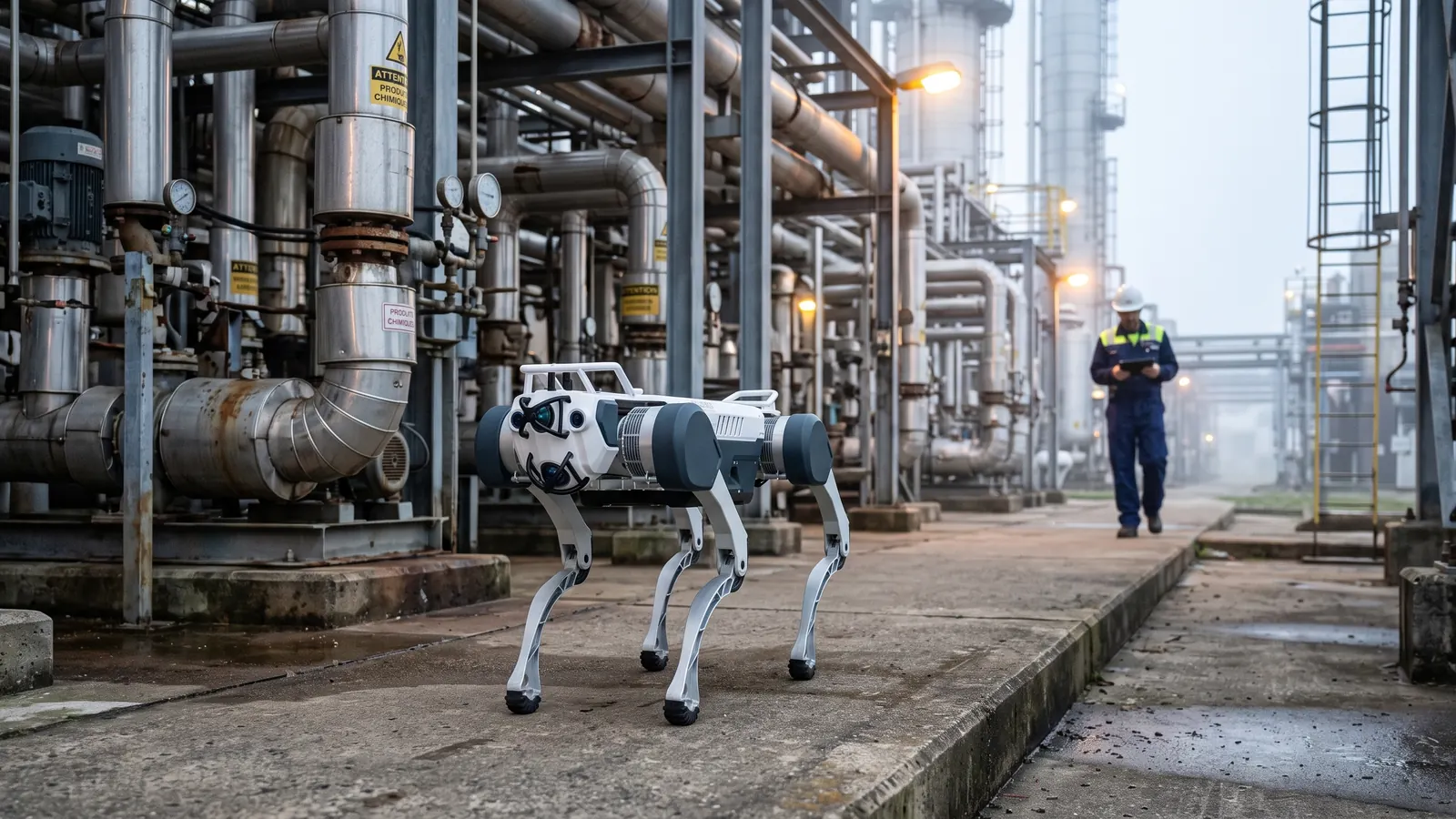 Industrial inspection roundsThe robot walks the same route every day, stops at the same points and records images, temperatures and readings. Technicians review the deviations and step in where needed.
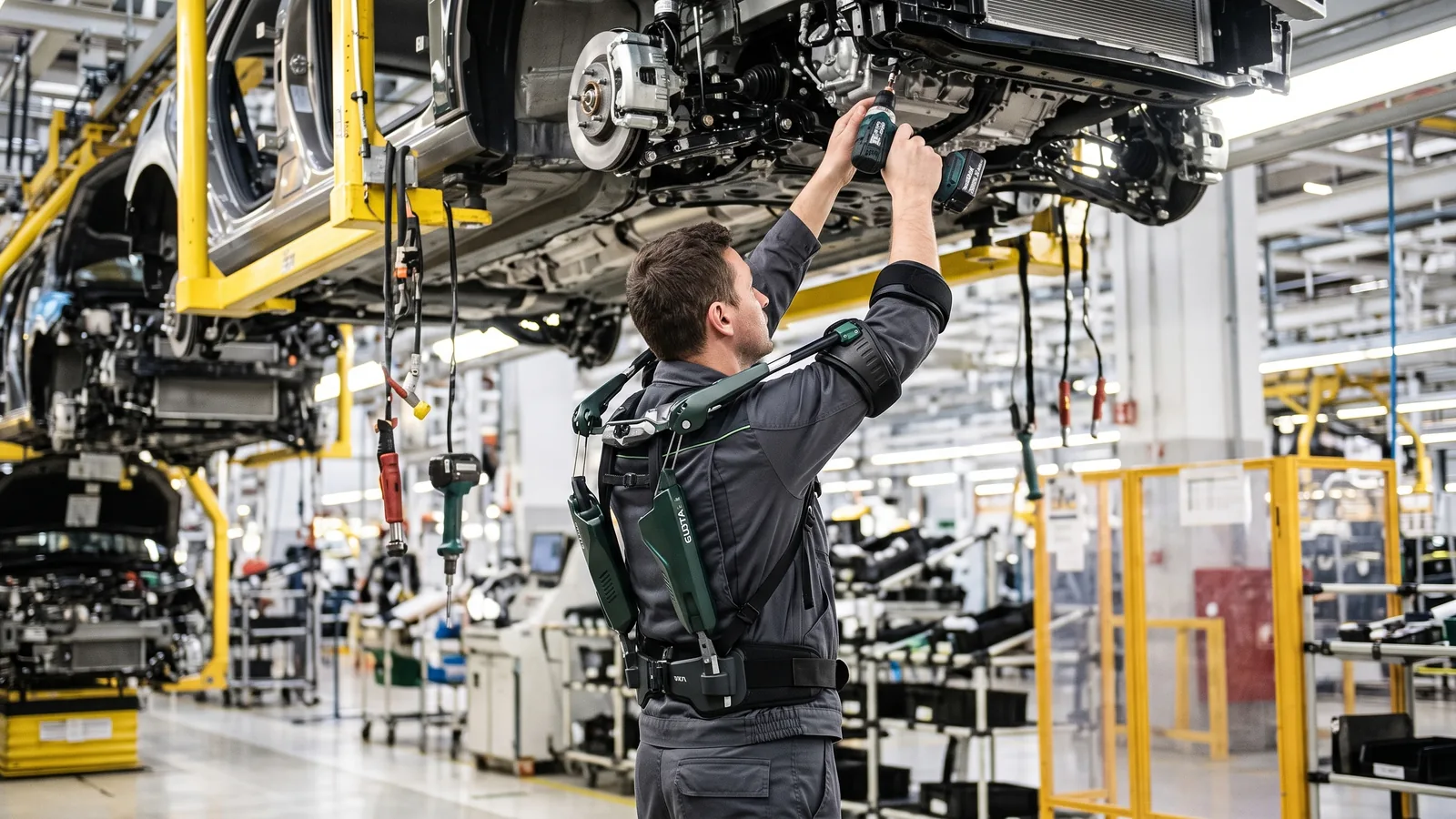 Exoskeletons for overhead workA shoulder exoskeleton supports the arms when they rise above chest height, without changing the tool or the movement. The operator keeps full precision; the device carries part of the weight of the arms.
Robots, acquisition mode and delivery terms, in one written proposal.