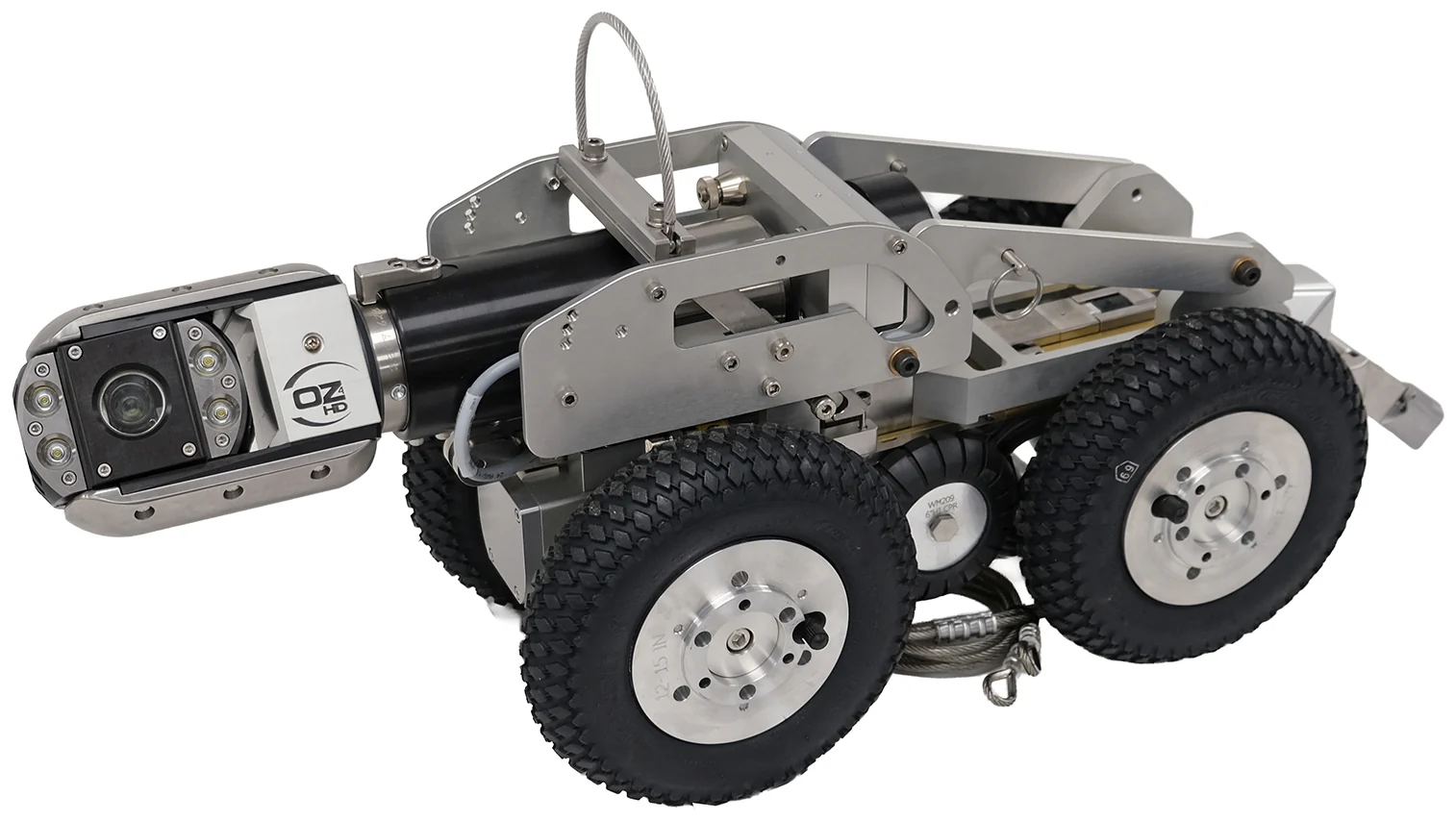
CUES
Pipe and sewer inspection
- Key feature
- 150–1,200 mm pipe
- Key feature
- 305 m cable
- Key feature
- Steerable
On order
Price on request
Updated
SOLUTION · WATER AND UTILITY NETWORKS
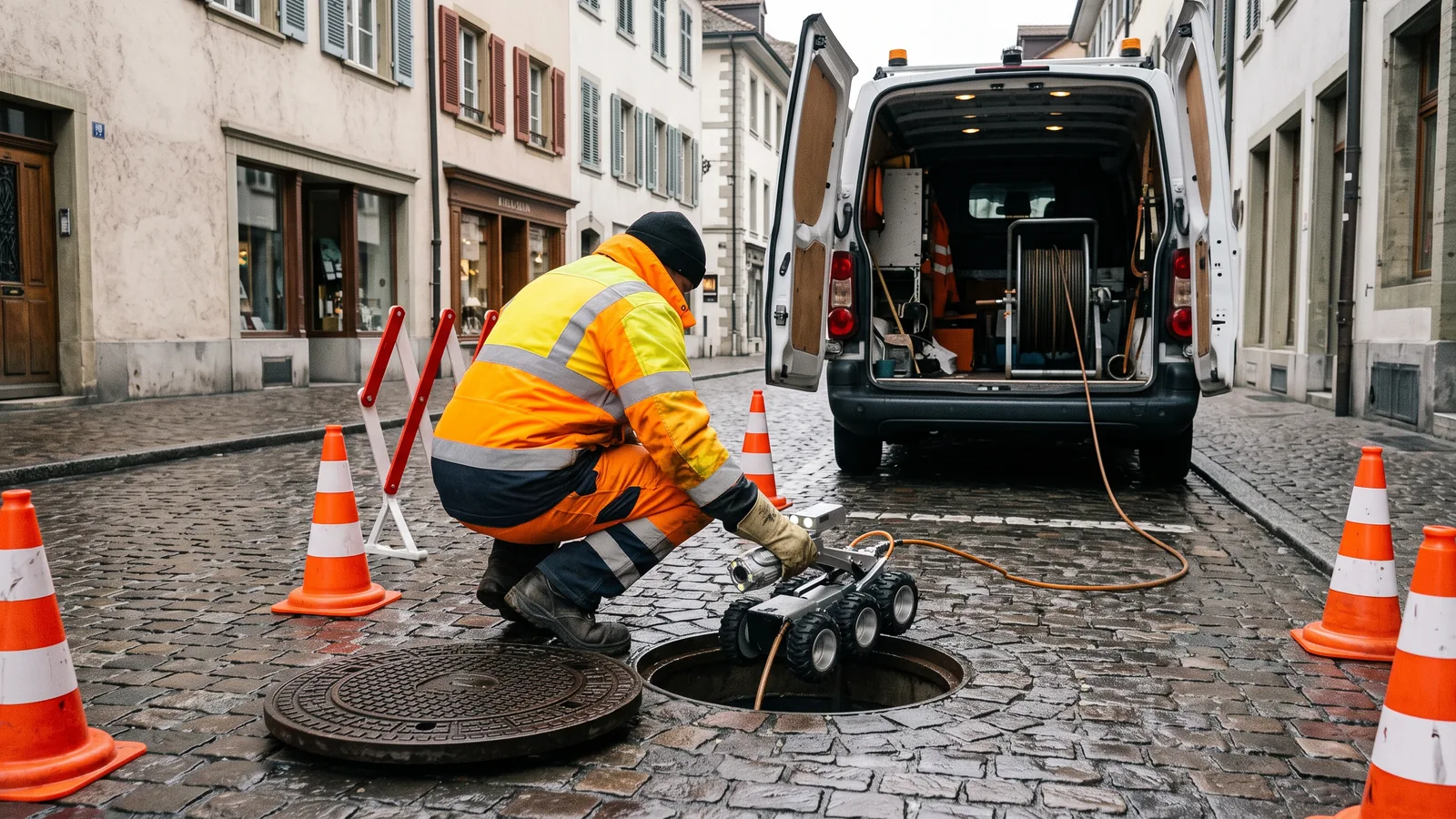
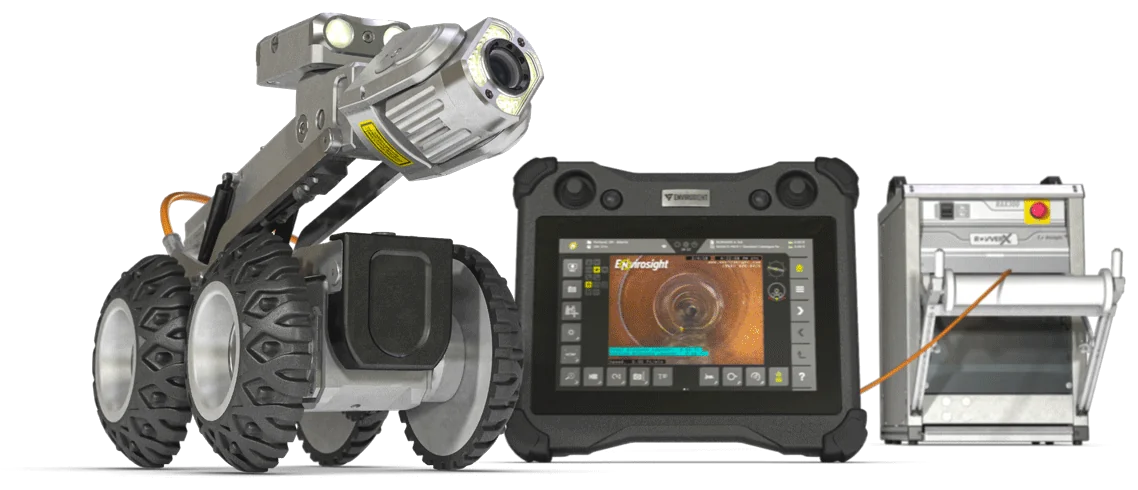
Wheeled crawlers film the inside of pipes from the manhole, caged drones inspect tanks and structures, and quadrupeds run plant rounds. Crews enter confined spaces less often.
Updated
Water and wastewater network operators use CCTV inspection crawlers, confined-space drones and quadruped robots to inspect pipes, structures and plants.
Minicam Proteus CRP140-HD inspects pipes of 140 to 600 mm, or up to 1,000 mm with a cradle, and is waterproof to IP68 at 1 bar, according to its manufacturer.
Robot Distribution matches the robot to the network's diameters and lengths, commissions it, trains the crews and maintains it, for purchase, rental or RaaS.
WHAT ROBOTS DO
A six-wheel-drive crawler goes down the manhole and films the pipe in HD. iPEK ROVION RX130 inspects DN150 to DN1000, with up to 500 m of cable depending on the reel, according to its manufacturer.
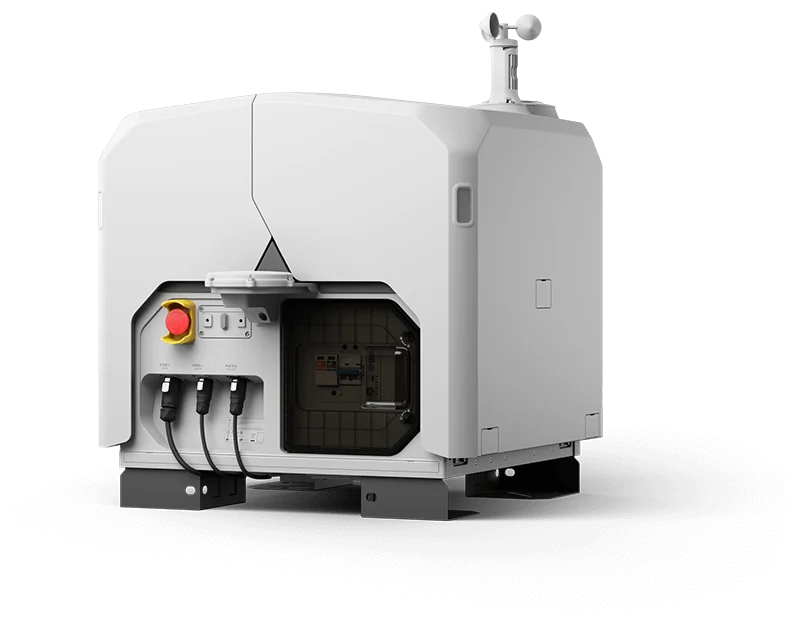
A caged drone inspects tanks, shafts and trunk sewers without GPS. Flyability Elios 3 maps in 3D with LiDAR and lights the space with 16,000 lm, according to its manufacturer.
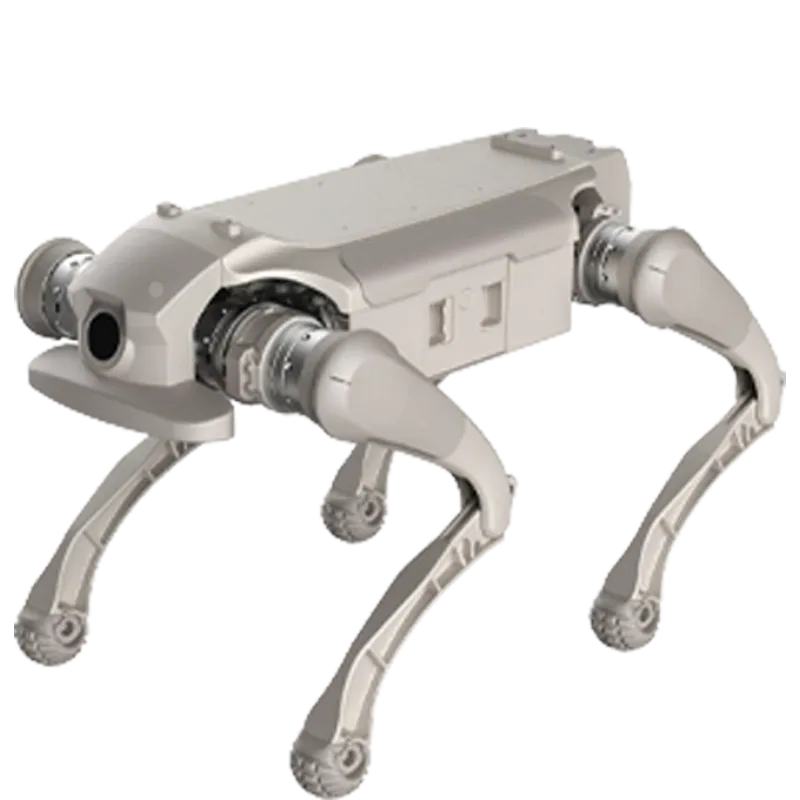
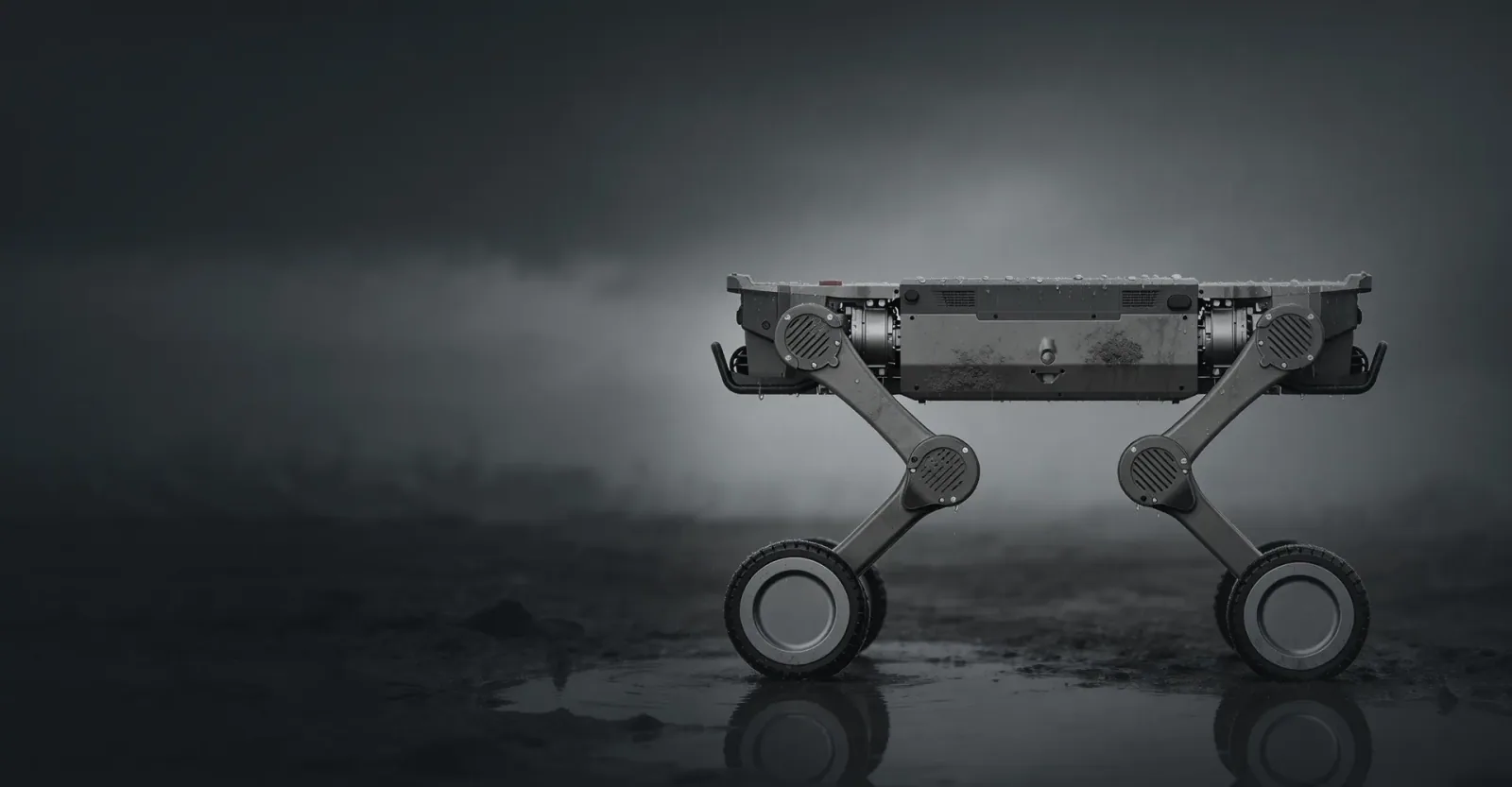
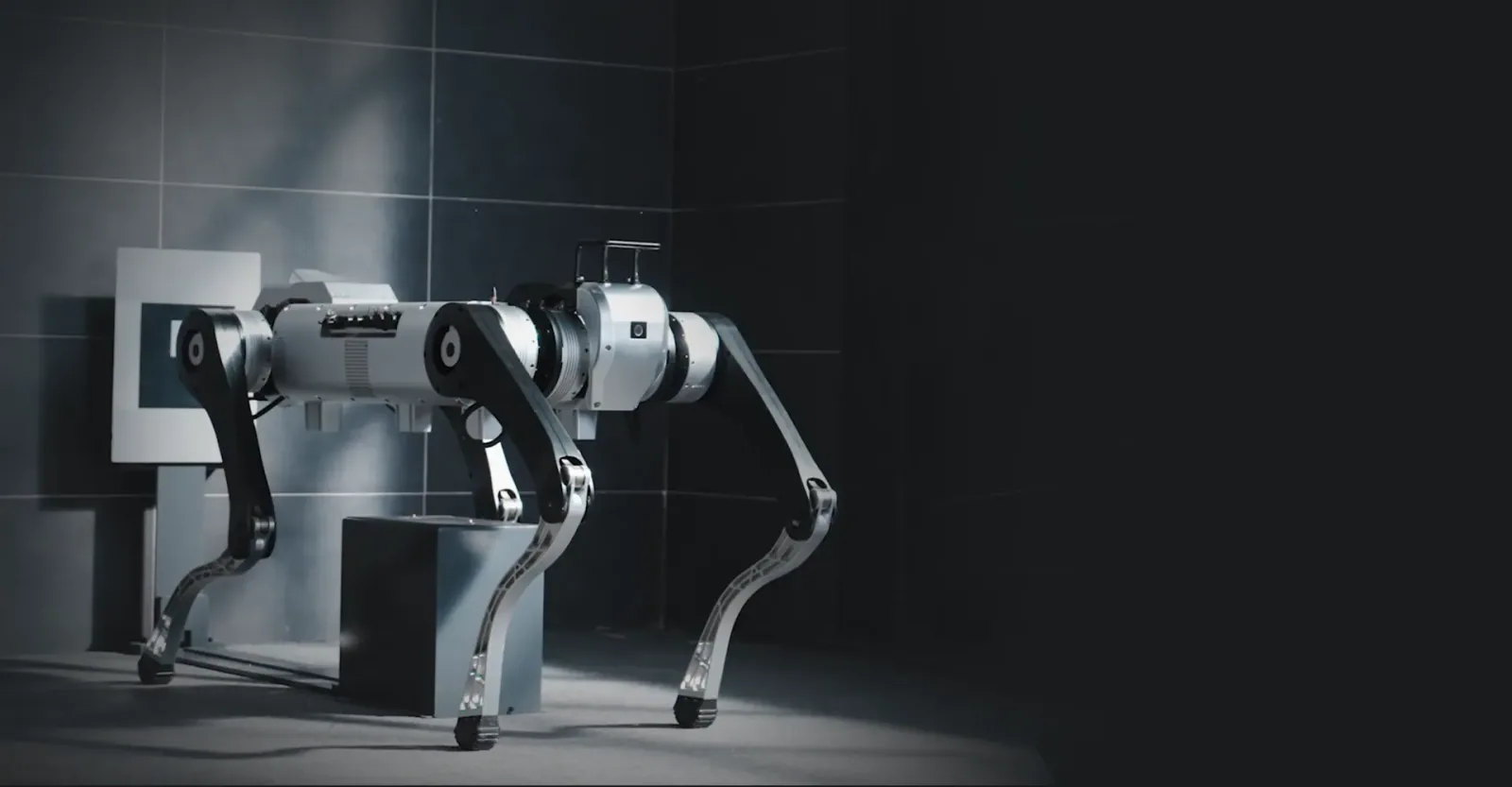
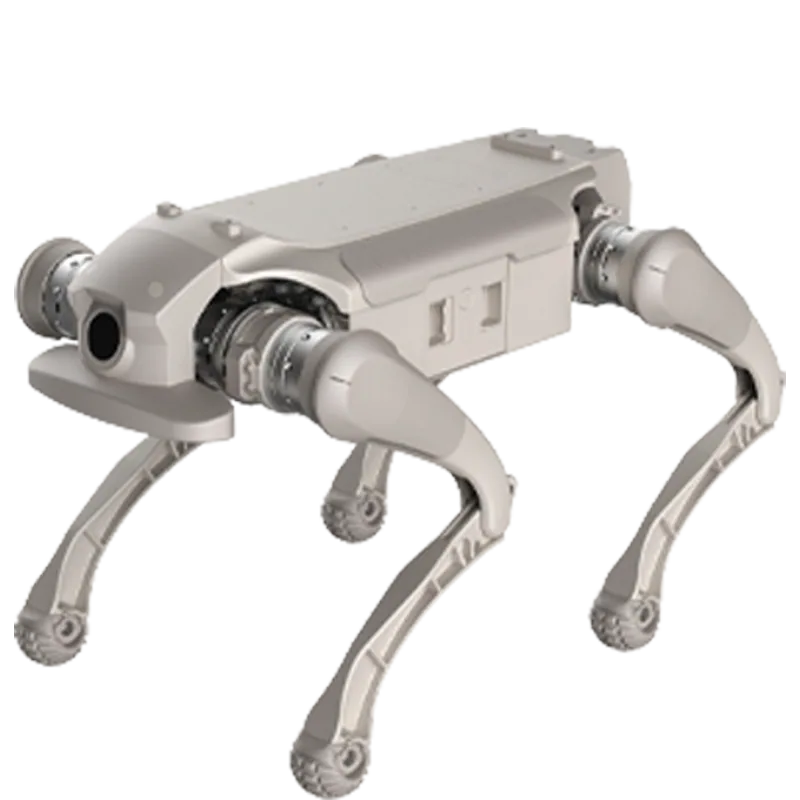
A quadruped robot walks wastewater and pumping stations on a fixed route. DEEP Robotics X30 is rated IP67, climbs stairs and works in darkness, according to its manufacturer.
USE CASES
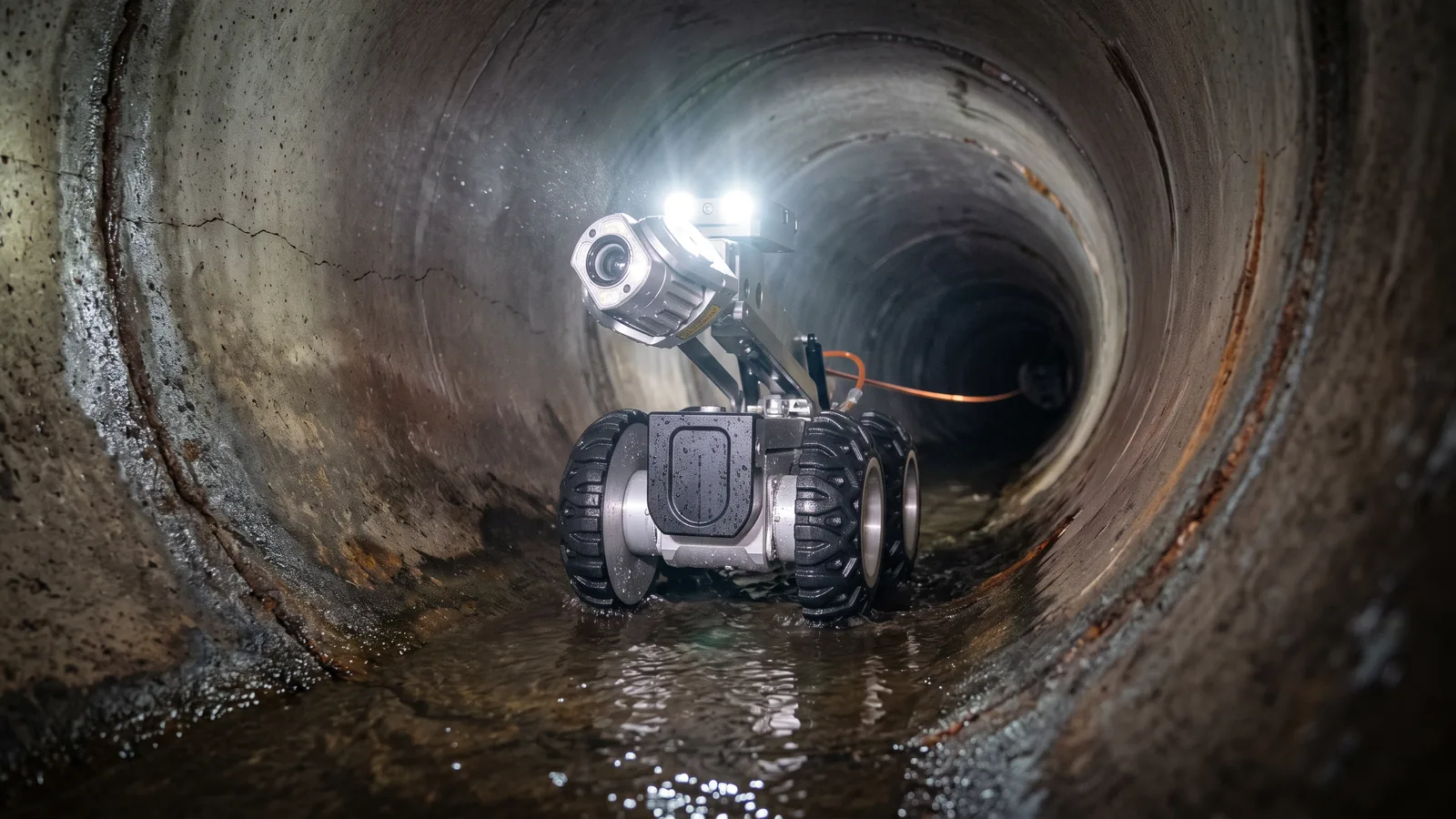 CCTV inspection of sewer pipesThe camera robot travels the sewer from the manhole and films the pipe wall, controlled from the surface. Technicians keep the diagnosis, defect coding and the choice of works.
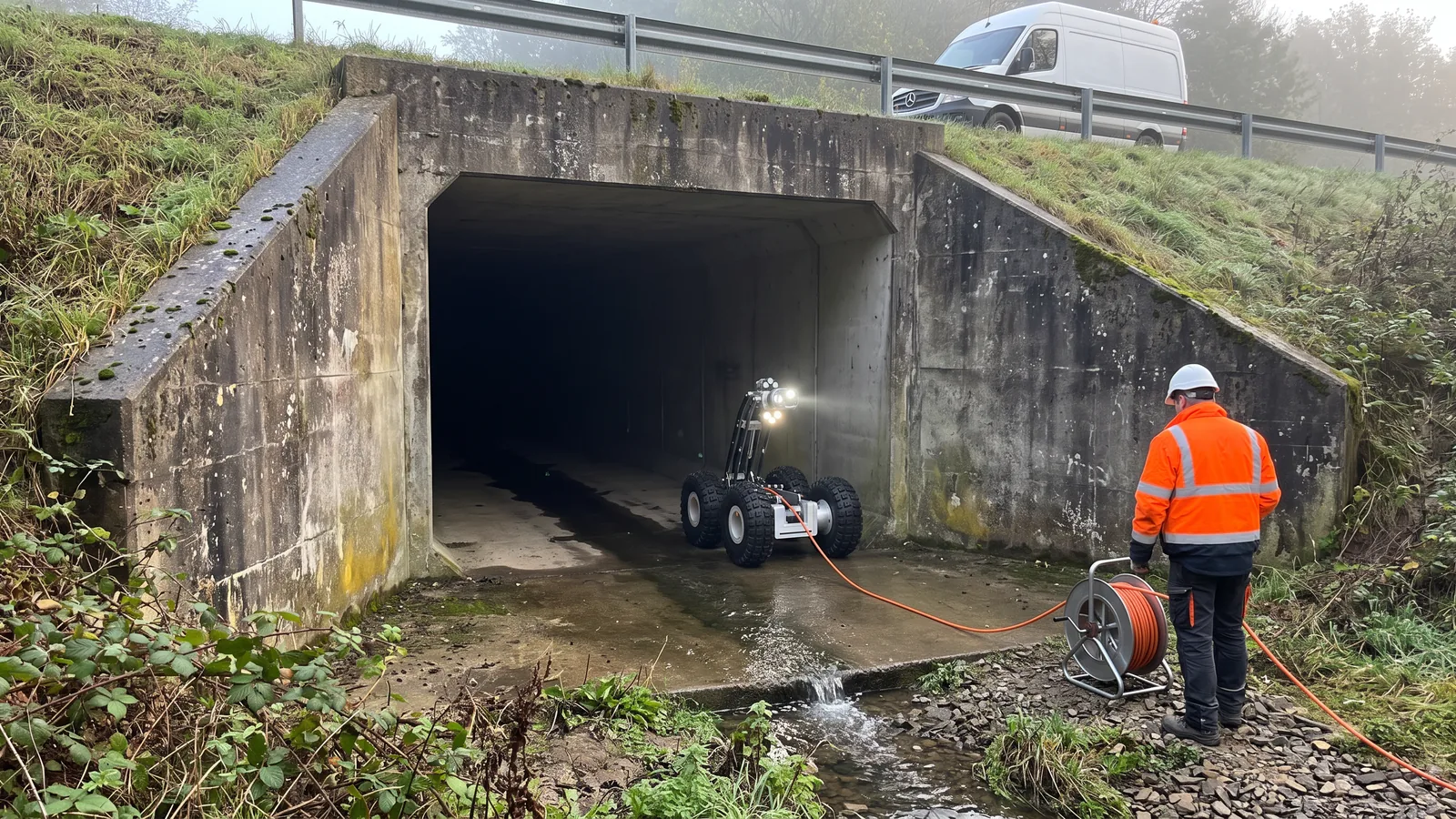 Large sewer and culvert inspectionThe robot travels through large trunk sewers, egg-shaped collectors and culverts under roads, camera centred in the section, driven from the surface. Sewer crews only go in to carry out work.
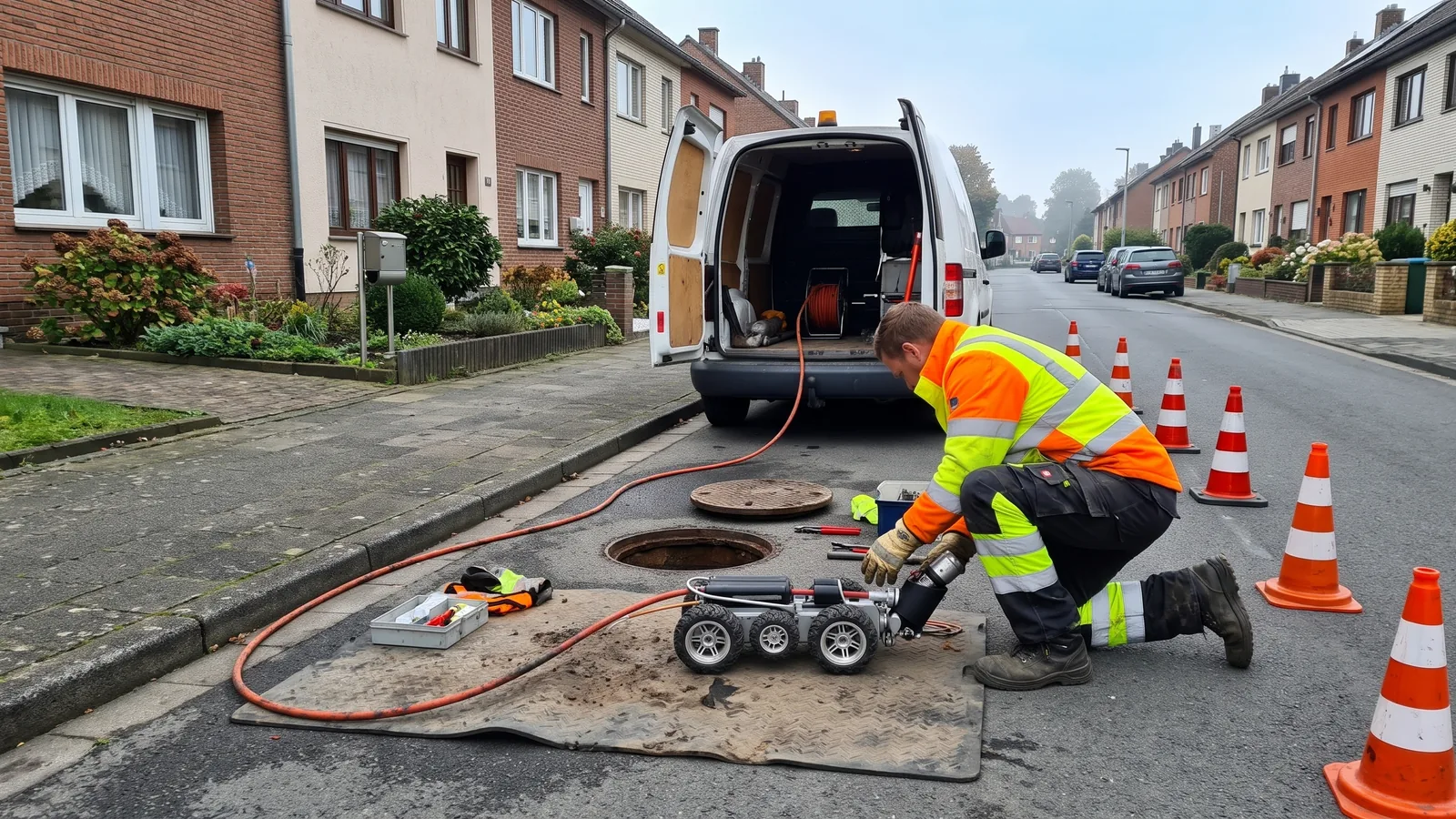 Sewer lateral inspection with a satellite cameraThe crawler drives along the main, stops at the connection and pushes a small pan-tilt camera into it. The building's lateral is inspected without opening the road or entering the property.
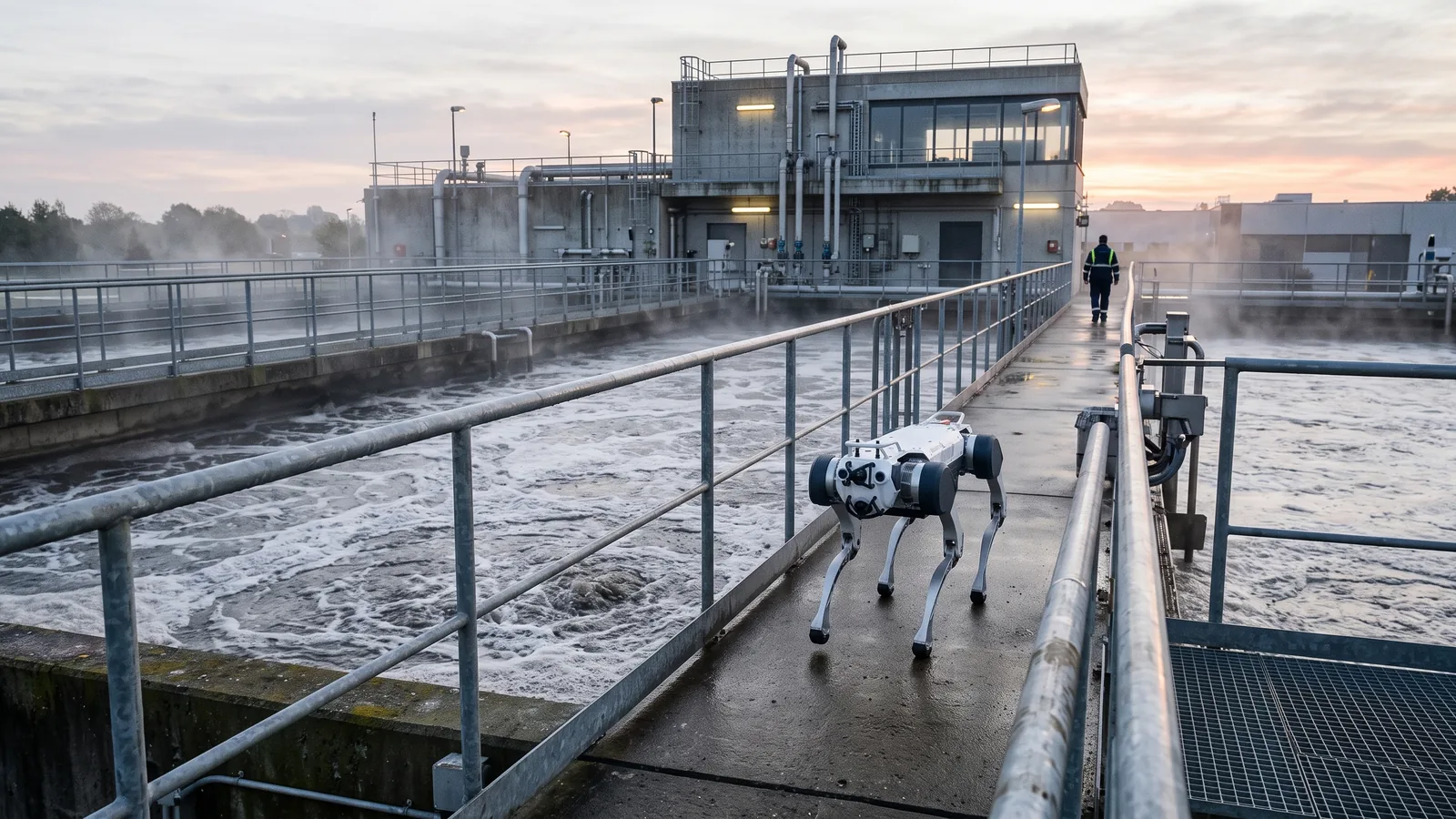 Inspection rounds in water treatment plantsThe robot tours basins, pumps and cabinets at set times and brings back images, temperatures and readings. Operators focus on deviations and running the process.
MATCHING ROBOTS
CUES
Pipe and sewer inspection
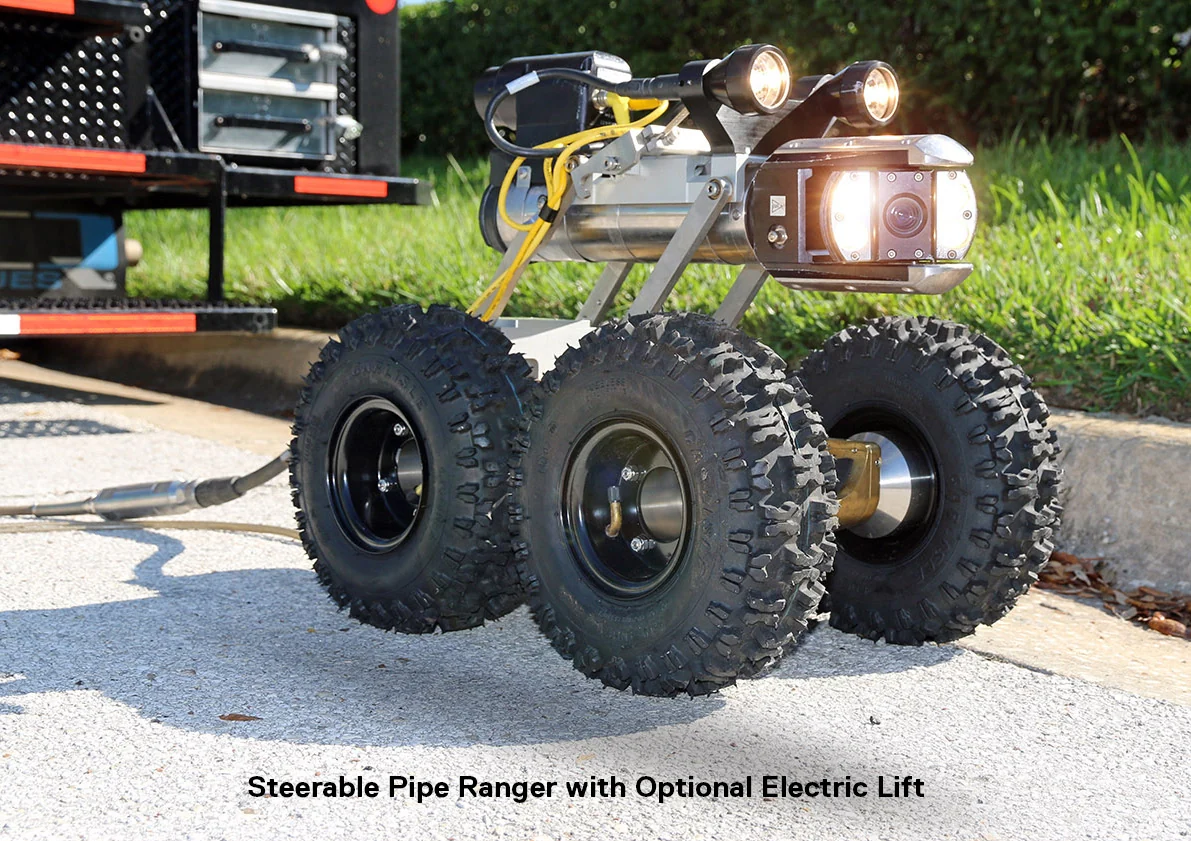
CUES
Pipe and sewer inspection
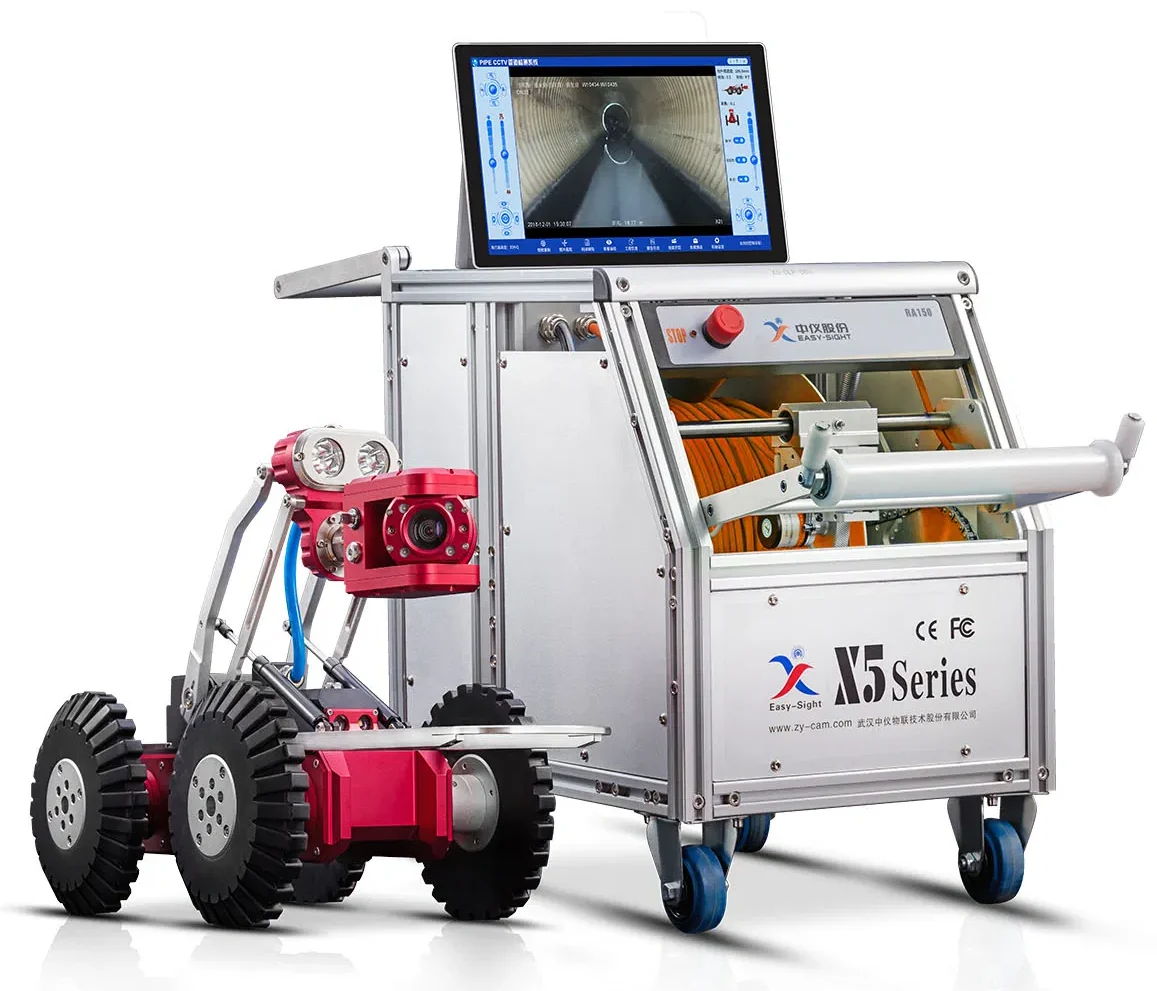
Easy-Sight
Pipe and sewer inspection
Pipe and sewer inspection
Professional drones
Professional drones
Professional drones
Professional drones
Quadrupeds
Quadrupeds
Quadrupeds
Quadrupeds
Figures from the manufacturers' published specifications, checked . Prices ex VAT shown as "from" prices, or on quote.
HOW DEPLOYMENT WORKS
We walk the routes with you before any order: passage widths, door thresholds, floor gaps, slopes, lifts and doors, Wi-Fi coverage, charging and water points. The survey decides the model.
The robot is mapped on site, routes and no-go zones are set, and lifts, doors or call systems are connected where the model supports it.
Operators learn daily use, charging and cleaning, error recovery and the emergency stop. One site lead learns to change routes and maps.
Remote diagnosis first, then a part or a technician. Preventive maintenance and software updates can be part of a service contract or of a RaaS fee.
ACQUISITION
REGULATION
Updated · General information, not legal advice.
Read the Machinery Regulation guideFAQ
According to their manufacturers: DN150 to DN1000 for iPEK ROVION RX130, 140 to 600 mm (1,000 mm with a cradle) for Minicam Proteus CRP140-HD, 4 to 96 in depending on the crawler for Envirosight ROVVER X. Cable length also guides the choice.
Yes, with a lateral launch crawler. According to its manufacturer, Envirosight ROVVER X SAT II travels up to 300 m along the main and pushes a camera up to 45 m into the lateral.
Some equipment comes in ATEX versions. According to its manufacturer, iPEK reels are offered in Zone 1 and Zone 2 versions. The operator defines the network's ATEX zoning, and the chosen equipment must match it.
It reduces entries for visual inspection. According to its manufacturer, Flyability Elios 3 flies 12.5 to 17 min depending on the battery, without GPS, with a 4K camera and a thermal camera. Confined-space entry rules still apply to any human intervention.
Robots, acquisition mode and delivery terms, in one written proposal.