Updated
SOLUTION · RESTAURANTS
Robots for restaurants: dish running, clearing tables, floor care
Serving robots carry dishes from the pass to the table and bring back used plates. Servers stay at the table, where guests notice them.
IN BRIEF
Updated
Restaurants use robots to run dishes to tables, bring back used plates, greet guests at the door and clean floors after service.
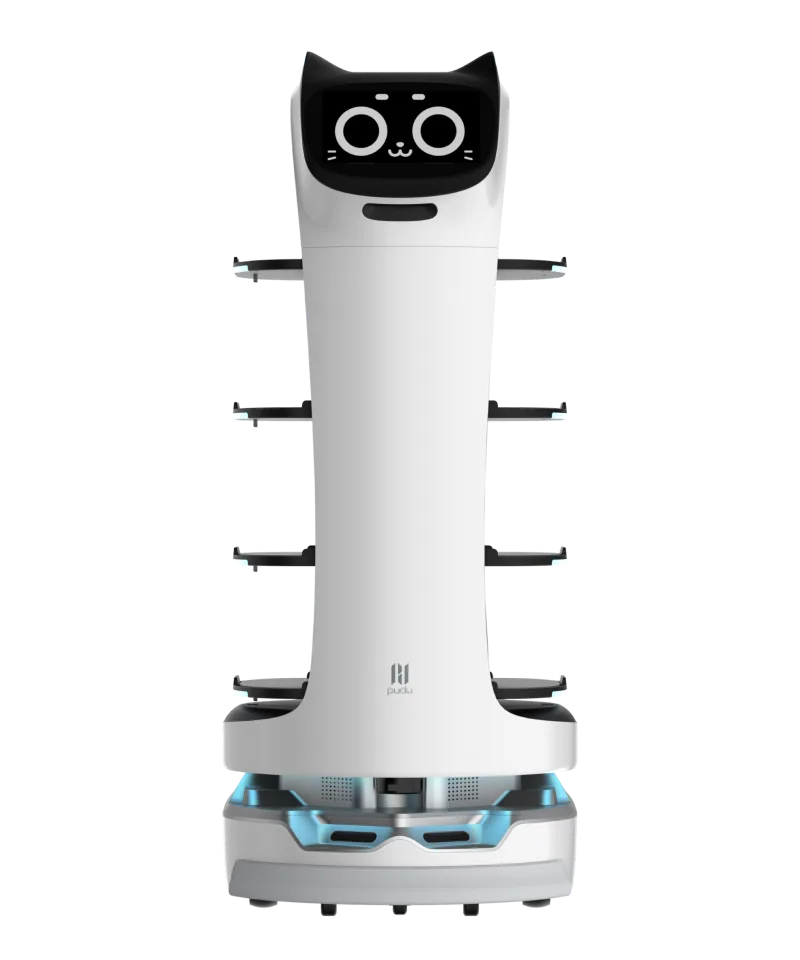
PUDU BellaBot Pro carries 40 kg on its trays and needs 65 cm of passage.
Robot Distribution supplies, installs and maintains them for purchase, rental or RaaS.
WHAT ROBOTS DO
Three jobs that keep servers away from tables.
Dish running
The kitchen loads the trays, the robot drives to the table number and the server or the guest takes the plates.
Clearing tables
Used plates and glasses go back to the dishwashing area in one run instead of many trips.
Floor care after service
A cleaning robot sweeps and mops the dining room after closing, while the team handles the kitchen.
MATCHING ROBOTS
Serving and cleaning robots for restaurants.
Delivery and service · 5 robots
See all Delivery and service robots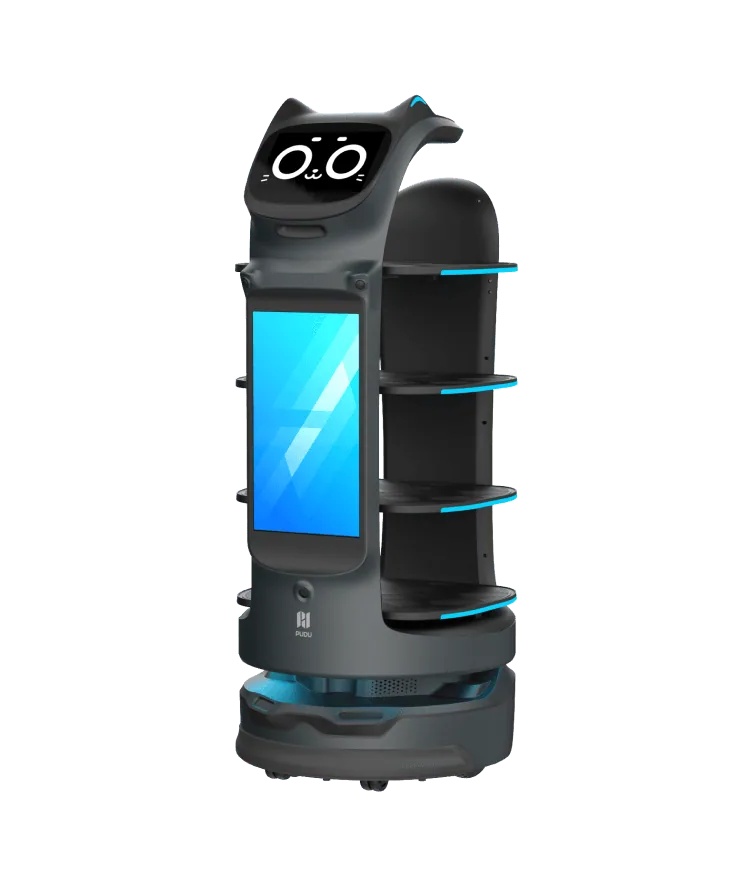
PUDU Robotics
Delivery and service
- Payload
- 40 kg
- Runtime
- 11 h
- Weight
- 55 kg
On orderPrice on request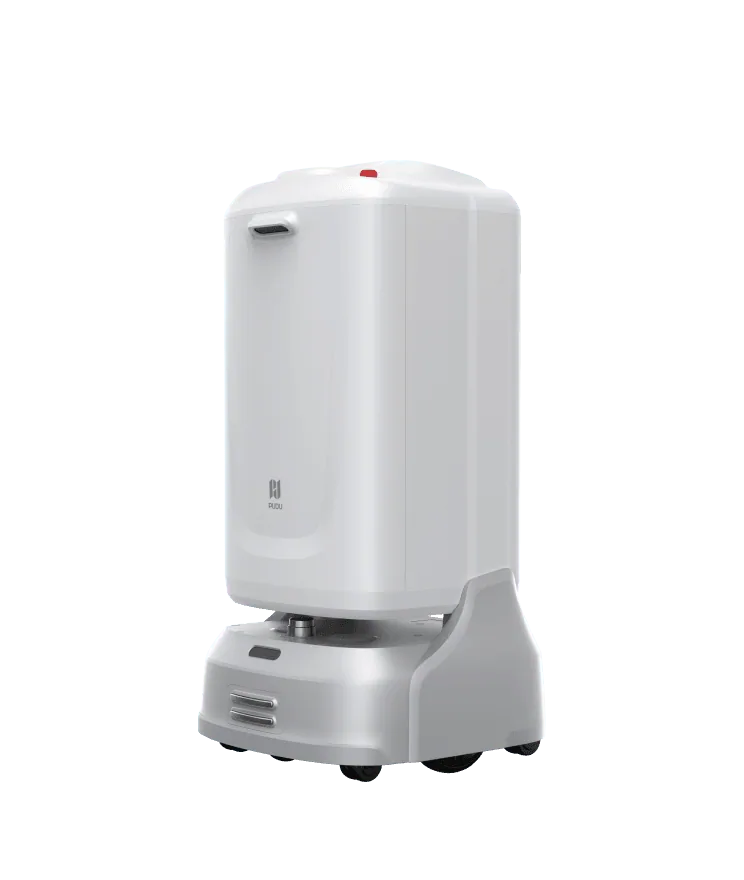
PUDU Robotics
Delivery and service
- Payload per tray
- 10 kg
- Runtime
- 9 h
- Weight
- 60 kg
On orderPrice on request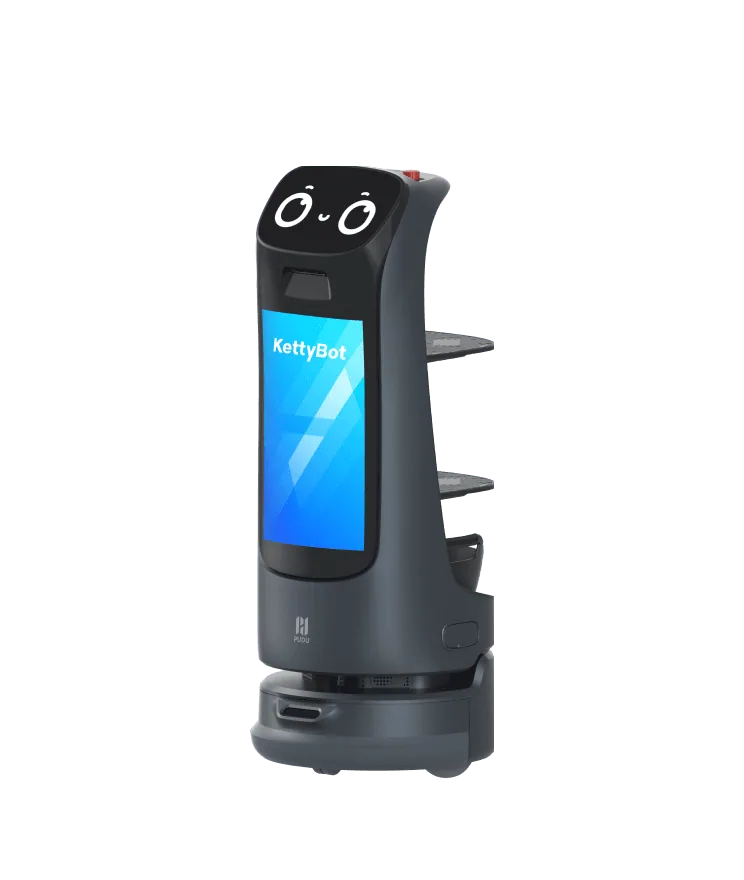
PUDU Robotics
Delivery and service
- Payload per tray
- 10 kg
- Runtime
- 9 h
- Weight
- 38 kg
On orderPrice on request
Cleaning · 9 robots
See all Cleaning robots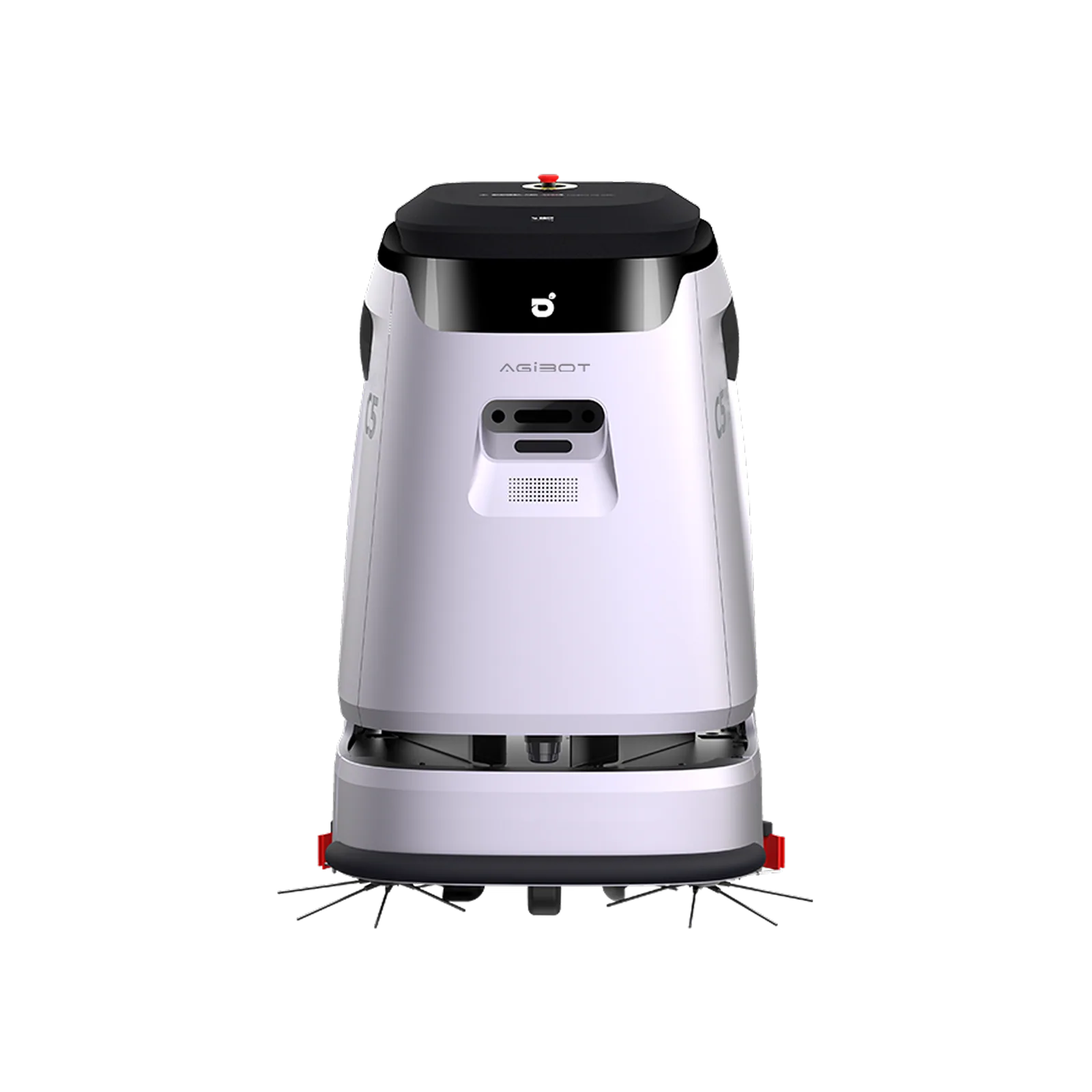
AGIBOT
Cleaning
- Cleaning efficiency
- 1,980 m²/h max
- Working width
- 550 mm
- Runtime, scrubbing
- 3 h
On orderPrice on request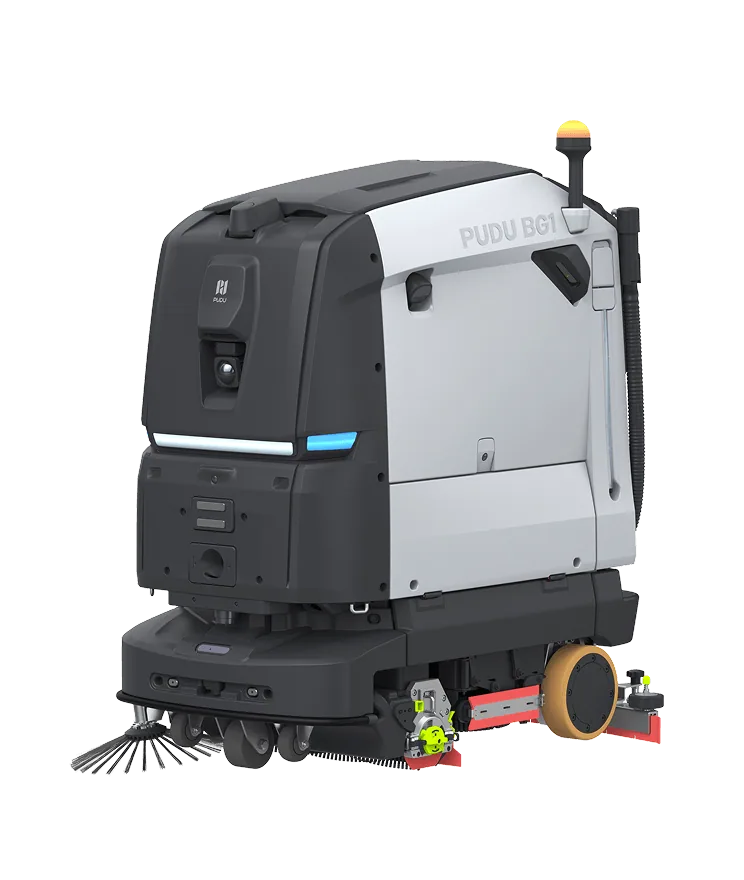
PUDU Robotics
Cleaning
- Cleaning efficiency
- 2,000 m²/h max
- Runtime
- 7.5 h
- Weight
- 344 kg
On orderPrice on request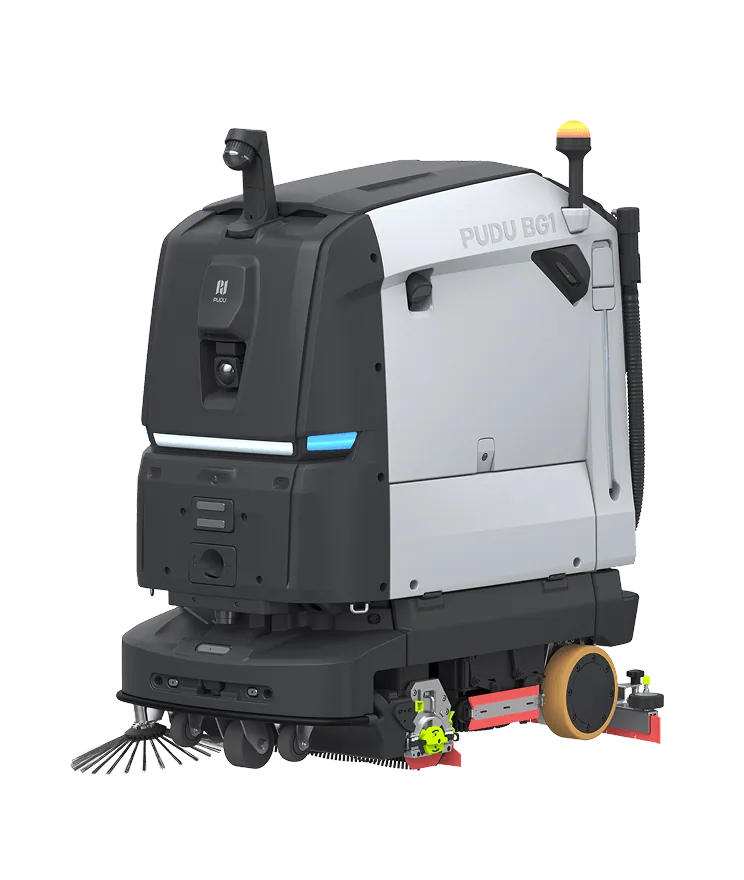
PUDU Robotics
Cleaning
- Cleaning efficiency
- 2,000 m²/h max
- Runtime
- 7.5 h
- Key feature
- 3D LiDAR
On orderPrice on request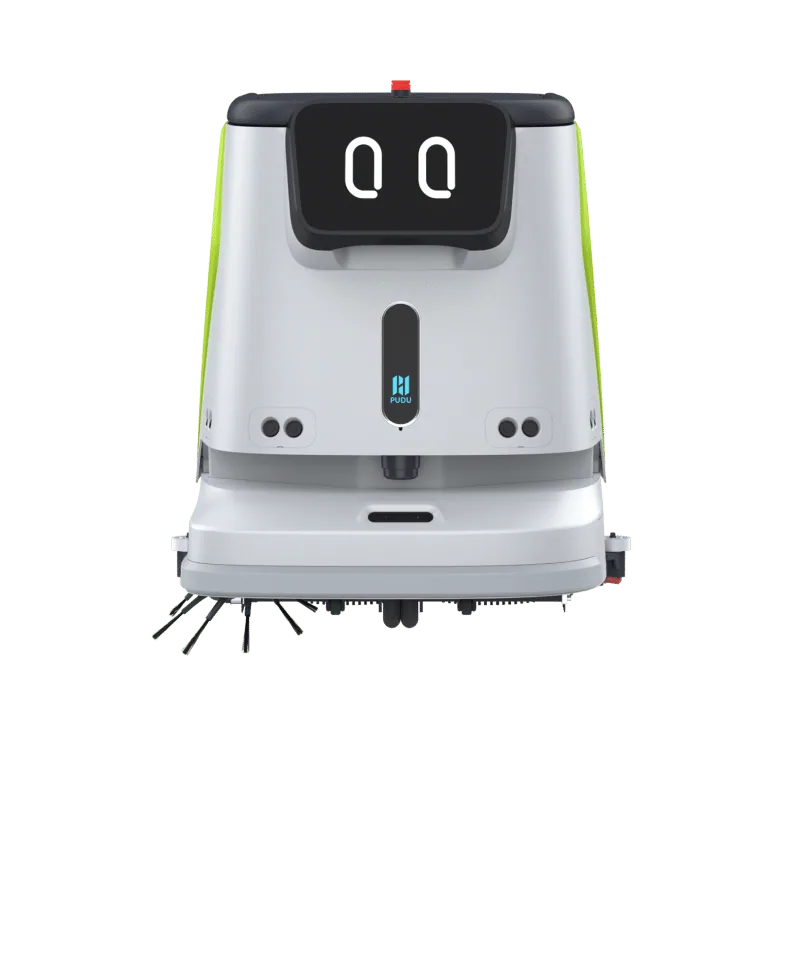
PUDU Robotics
Cleaning
- Cleaning efficiency
- 700–1,000 m²/h
- Runtime, scrubbing
- 5 h
- Weight
- 75 kg
On orderPrice on request
Figures from the manufacturers' published specifications, checked . Price on request for all models.
HOW DEPLOYMENT WORKS
From site survey to after-sales.
Site survey
We walk the routes with you before any order: passage widths, door thresholds, floor gaps, slopes, lifts and doors, Wi-Fi coverage, charging and water points. The survey decides the model.
Mapping and commissioning
The robot is mapped on site, routes and no-go zones are set, and lifts, doors or call systems are connected where the model supports it.
Training
Operators learn daily use, charging and cleaning, error recovery and the emergency stop. One site lead learns to change routes and maps.
After-sales
Remote diagnosis first, then a part or a technician. Preventive maintenance and software updates can be part of a service contract or of a RaaS fee.
ACQUISITION
Buy, rent, or pay by the month.
- BUYOwn the robotOne invoice, with warranty and an optional service contract quoted alongside.
- RENTAL1 day to 12 monthsTest one floor or cover a season: delivered, set up and collected.
- RAAS24 to 60 monthsOne monthly fee: robot, maintenance, software, replacement.
REGULATION
What European law asks, in plain language.
Updated · General information, not legal advice.
Read the Machinery Regulation guide- CE marking and EU declaration of conformityEvery robot we deliver carries the CE marking and comes with the manufacturer's EU declaration of conformity, which we check before delivery.
- Machinery Regulation (EU) 2023/1230The Machinery Regulation applies from 20 January 2027 and replaces Directive 2006/42/EC. It adds requirements for autonomous mobile machinery, safety software and protection against corruption.
- GDPR and robots with camerasA robot that films or maps a place where people can be identified processes personal data. The operator needs a legal basis, informs the people concerned and limits how long images are kept.
- Your risk assessmentAs an employer, you include the robot in the risk assessment of the workplace like any other work equipment. The manufacturer's instructions state the residual risks and the training required.
- Food hygieneTrays and compartments are cleaned according to your food safety plan (HACCP). The manufacturer's instructions state which cleaning products the surfaces accept.
FAQ
Questions restaurants ask us.
How wide must the aisles between tables be?
Each manufacturer publishes a minimum passage width: 65 cm for PUDU BellaBot Pro, for example. The site survey measures the aisles with chairs occupied, which is narrower than an empty room.
How much can a serving robot carry?
PUDU BellaBot Pro carries 40 kg, 10 kg per tray, according to its manufacturer. The load per tray matters more than the total when a table orders heavy dishes.
Does a serving robot work on a busy Saturday night?
A serving robot slows down and stops for people and obstacles, so a crowded room reduces its speed. Routes, waiting points and table numbers are set at commissioning to match your floor plan.
Can we test a serving robot before buying it?
Yes. Robot Distribution offers showroom demonstrations and short rentals from 1 day, so the team can test a robot during real services.
OTHER SECTORS
Solutions for eight other sectors.
Tell us about your restaurant. We will size the fleet.
Robots, acquisition mode and delivery terms, in one written proposal.