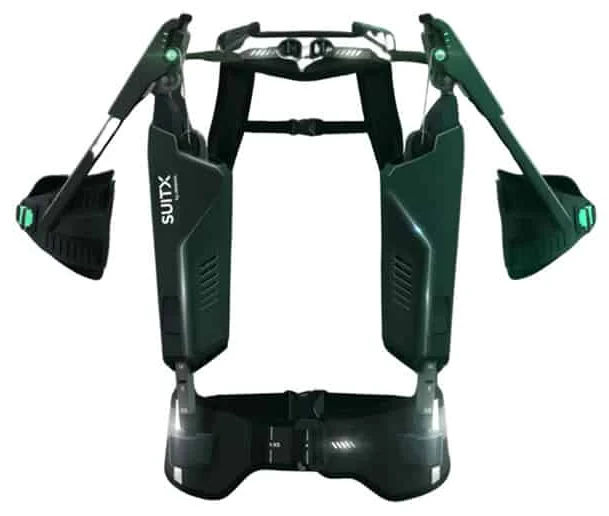
Exoskeletons
- Weight
- 2 kg
- Key feature
- No battery needed
- Key feature
- Overhead work support
On order
Price on request
Updated
USE CASE · INDUSTRY
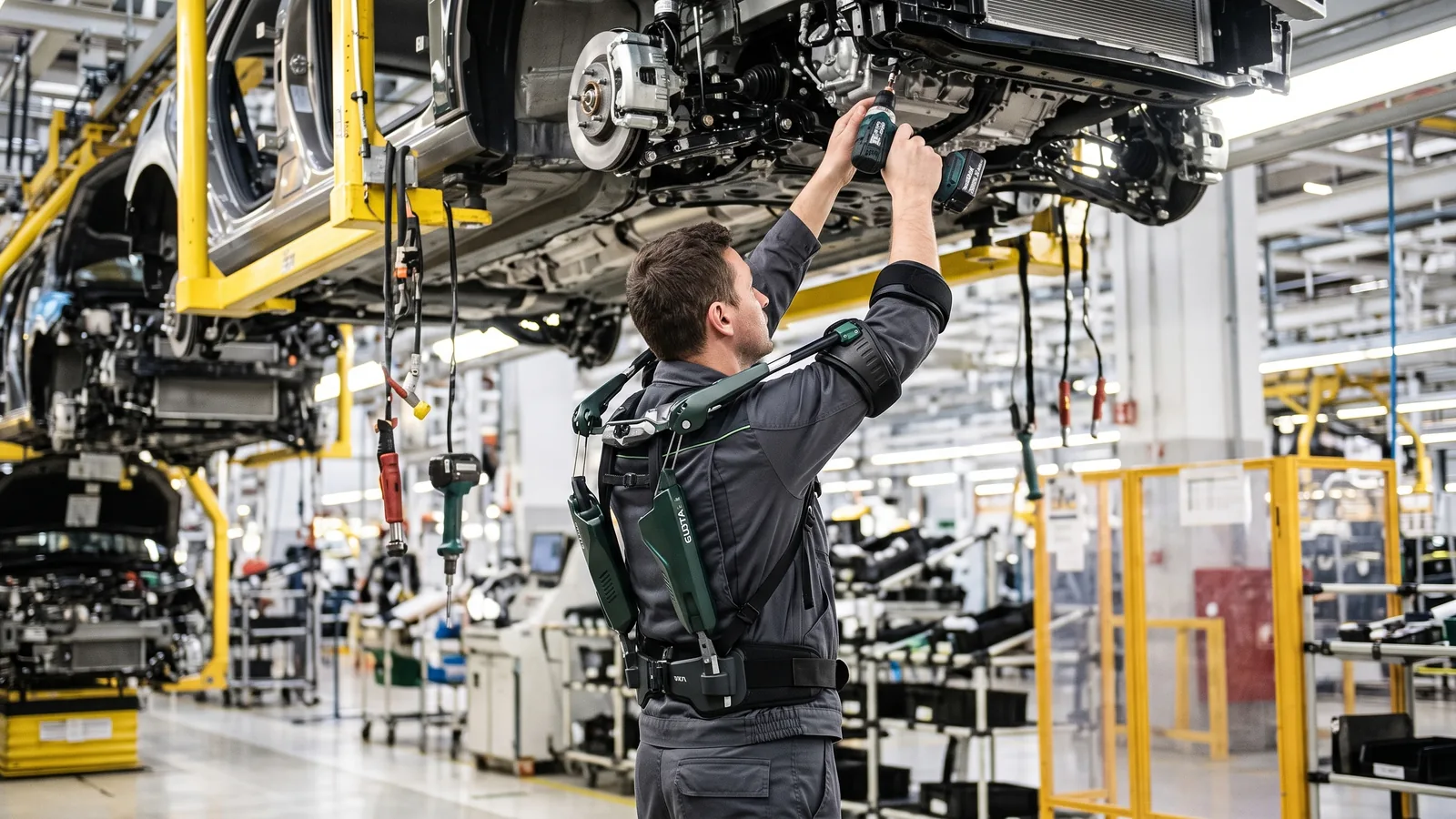
A shoulder exoskeleton supports the arms when they rise above chest height, without changing the tool or the movement. The operator keeps full precision; the device carries part of the weight of the arms.
Updated
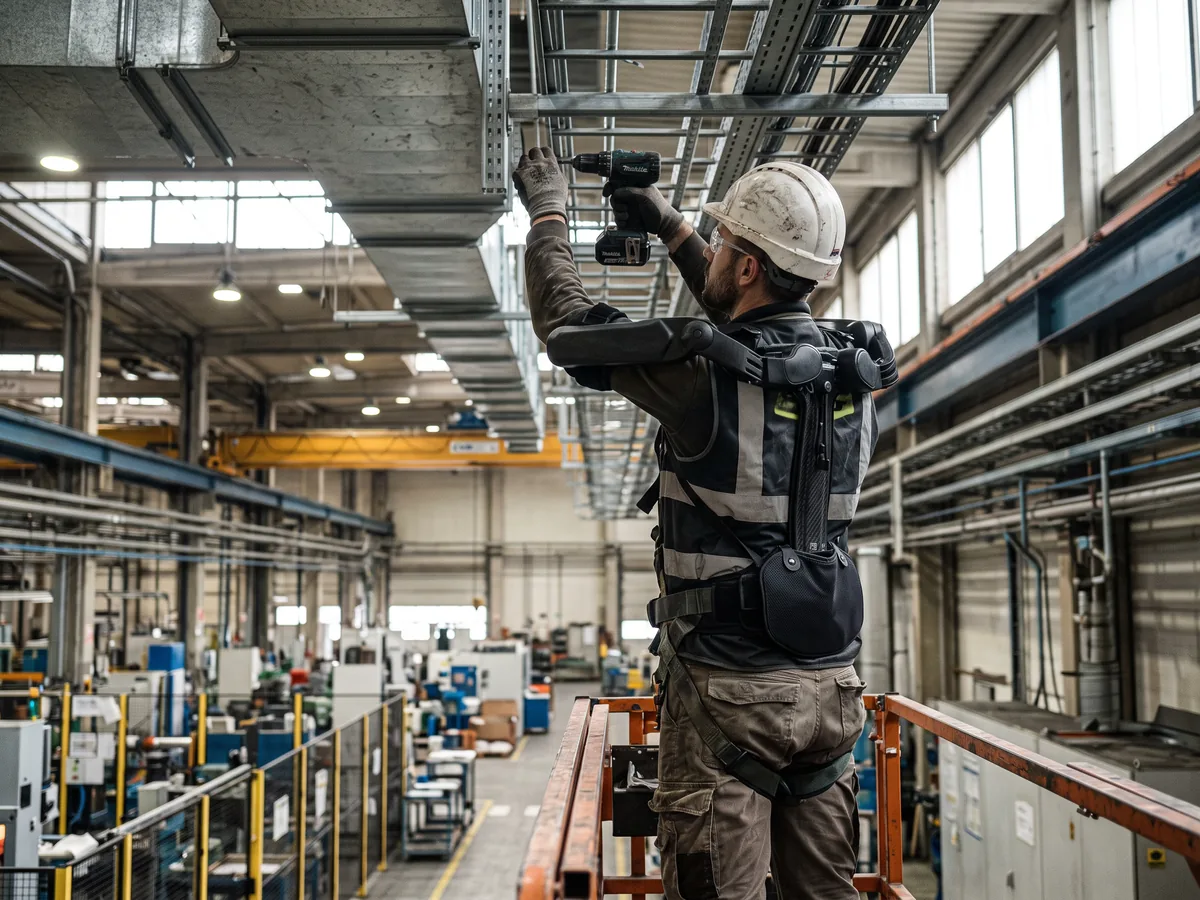
A shoulder exoskeleton is a wearable device that supports the arms during raised-arm and overhead work, using springs or motors.
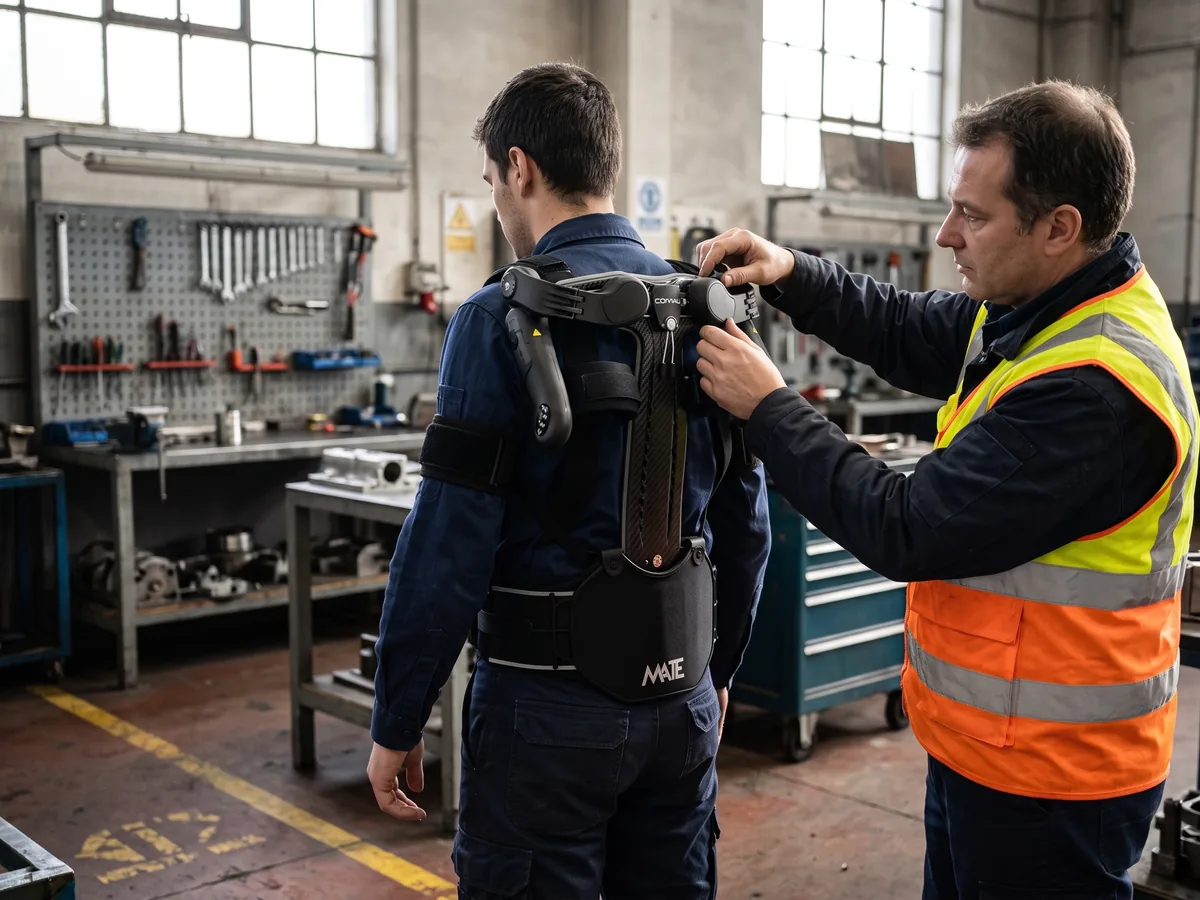
The fully passive Comau MATE-XT GO weighs under 3 kg, offers 8 assistance levels per arm and is put on in 30 seconds; it is certified as Category II PPE under Regulation (EU) 2016/425, according to its manufacturer.
Robot Distribution runs on-the-job trials, delivers the exoskeletons, trains users and maintains them, to buy, rent or as RaaS.
WHY
Under a car body on an assembly line, on a building ceiling or on a machine under maintenance, operators work with raised arms for minutes at a time, tool in hand. These sustained postures tire the shoulders and are among the causes of upper-limb musculoskeletal disorders.
A shoulder exoskeleton does not replace workstation design or lifting platforms: it adds to the ergonomic approach where raised-arm work remains necessary. Passive models, with no battery, release energy from springs; powered models support heavier tools. Exoskeletons sold as personal protective equipment fall under Regulation (EU) 2016/425.
HOW IT RUNS
With the HSE team and operators we identify the stations where arms stay raised: duration, working height, tool weight. The Comau MATE-XT gives its maximum assistance at 90° of shoulder flexion, according to its manufacturer.
Several models are worn in real conditions over a trial period. Operators compare comfort, freedom of movement and effect on fatigue before any choice is made.
Each device is adjusted to its user: size, shoulder height, assistance level. The SUITX IX SHOULDER AIR adjusts without tools, size and torque included, according to its manufacturer.
Users put it on at the start of the shift and take it off for tasks that do not involve raised arms. The Auxivo DeltaSuit's textiles are washable at 30 °C, according to its manufacturer; powered models' batteries are charged between shifts.
THE ROBOTS
Exoskeletons
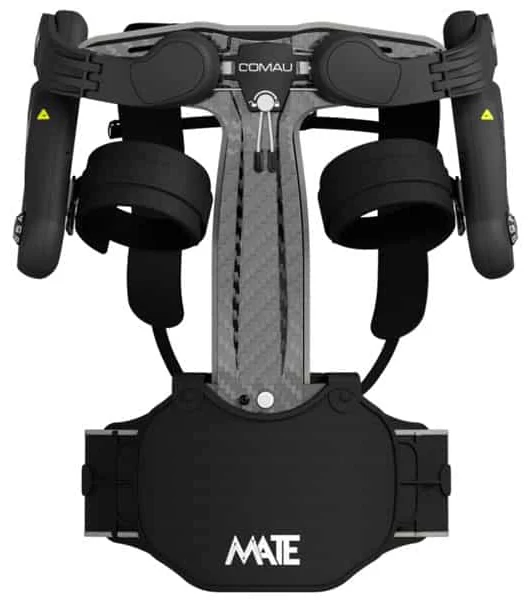
Comau
Exoskeletons
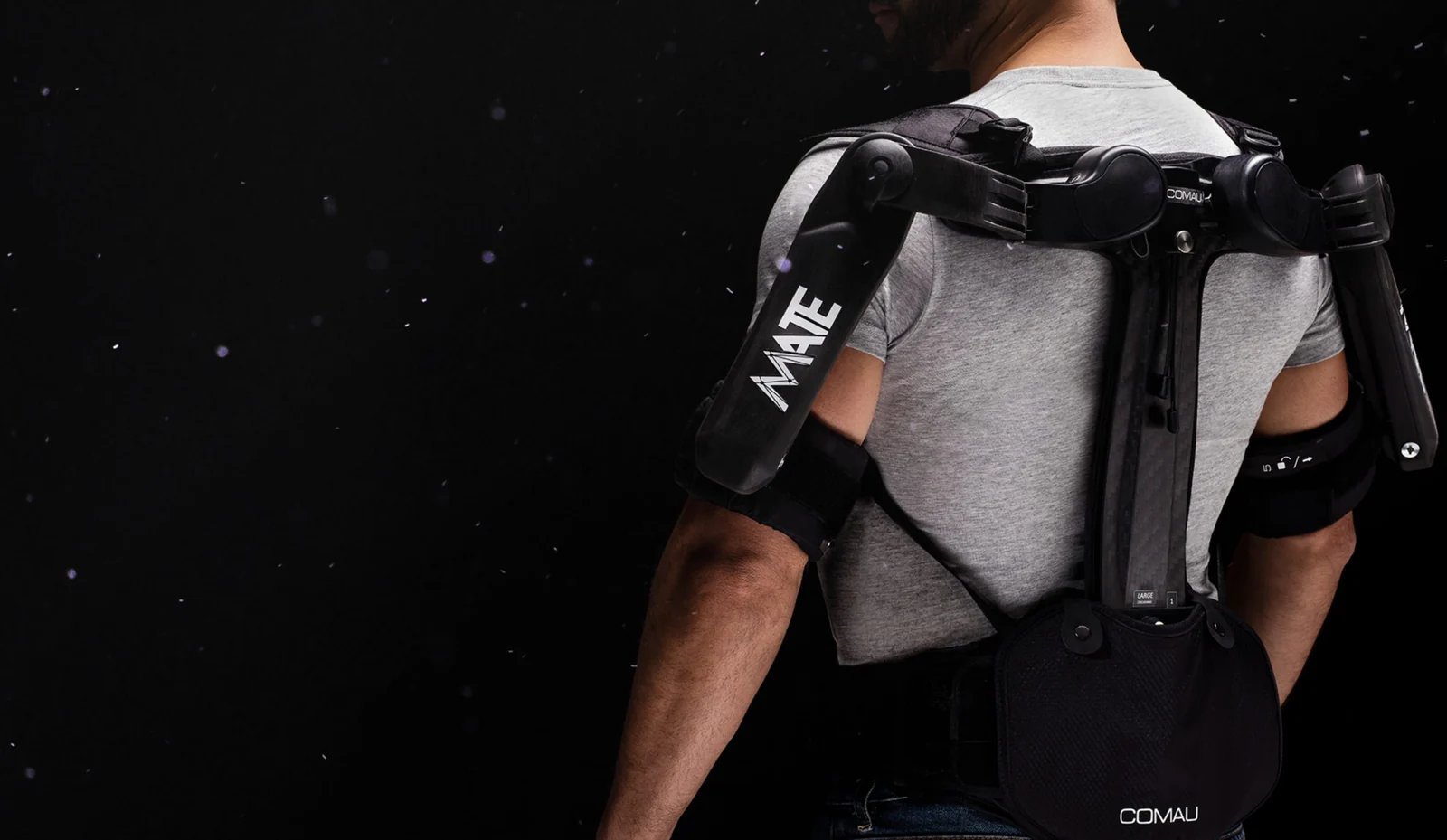
Comau
Exoskeletons
Kenqing
Exoskeletons
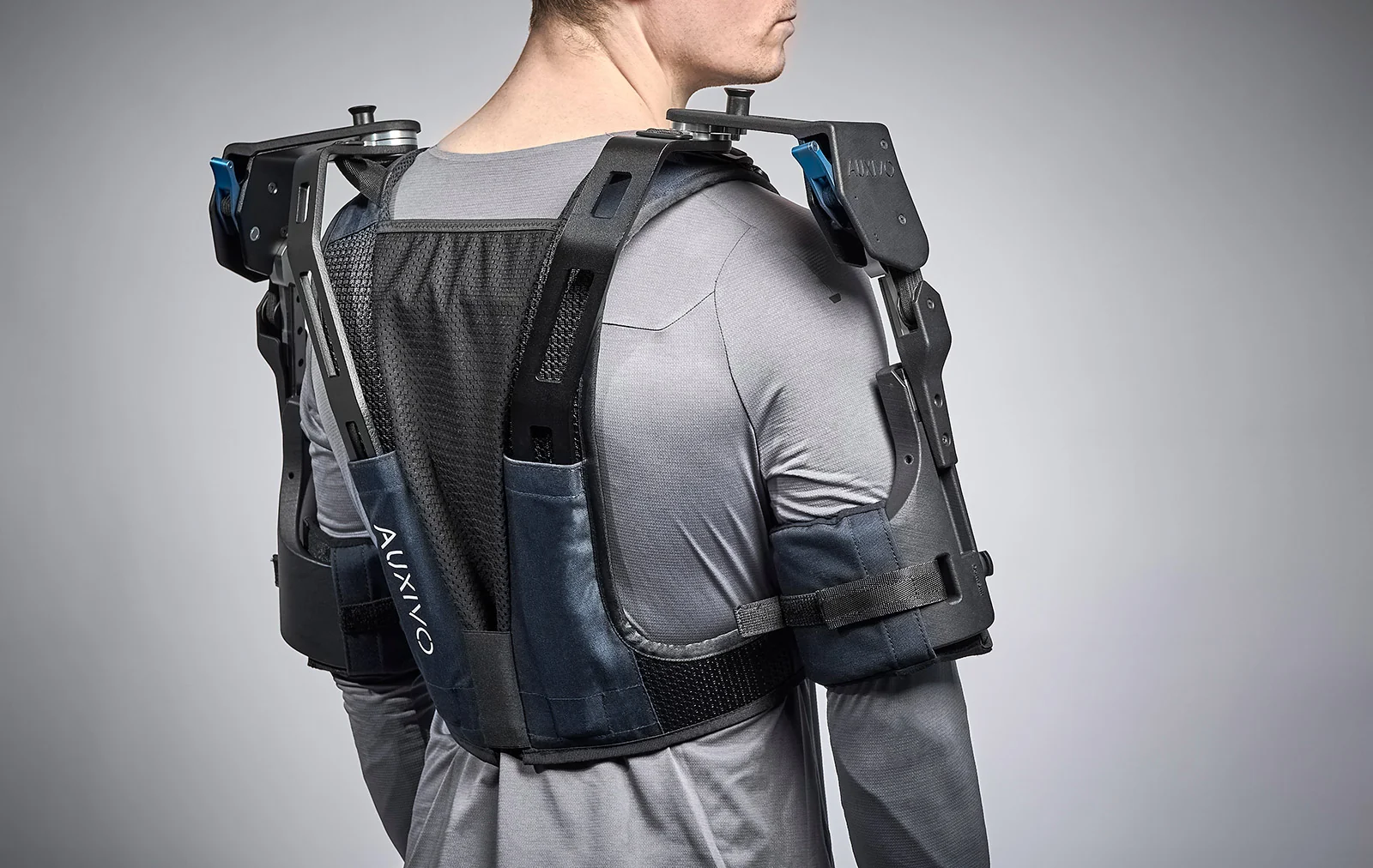
Exoskeletons
Exoskeletons
BEFORE INSTALLING
Working height, how long arms stay raised and how often point to a passive or powered model. The Kenqing A10 covers a range of -60° to 80° from horizontal, according to its manufacturer.
Screwdrivers, drills or parts held overhead are weighed: the ULS PES-U supports up to 10 kg across both arms, the powered Kenqing A10 up to 16 kg, according to their manufacturers.
Operators' heights are noted: the Kenqing A10 fits 150 to 190 cm, the ULS PES-U 160 to 190 cm, according to their manufacturers.
Space around the operator, indoor or outdoor use, temperatures and dust are recorded; the ULS PES-U works from -20 to 50 °C, according to its manufacturer.
FAQ
A passive one releases energy from springs, with no battery: for example the Comau MATE-XT GO, the SUITX IX SHOULDER AIR or the ULS PES-U. A powered one, such as the two-motor Kenqing A10, supports up to 8 kg per arm, according to its manufacturer, but needs charging.
According to the manufacturer: 1.9 kg for the ULS PES-U, under 3 kg for the Comau MATE-XT GO, 3.2 kg for the powered Kenqing A10. The weight is carried by the hips and back, not the arms.
The Kenqing A10 runs for about 6 hours or 1,500 lifts, or 3 hours of continuous holding; its swappable battery charges in 1.5 hours, according to its manufacturer. Passive models have no charging limit.
The Comau MATE-XT GO is put on in 30 seconds and taken off in 10 seconds, according to its manufacturer. Short times matter where operators alternate overhead work with other tasks.
Not always. The Comau MATE-XT GO is certified as Category II personal protective equipment under Regulation (EU) 2016/425, according to its manufacturer. For other models, we provide each one's status and documentation.
USE CASES
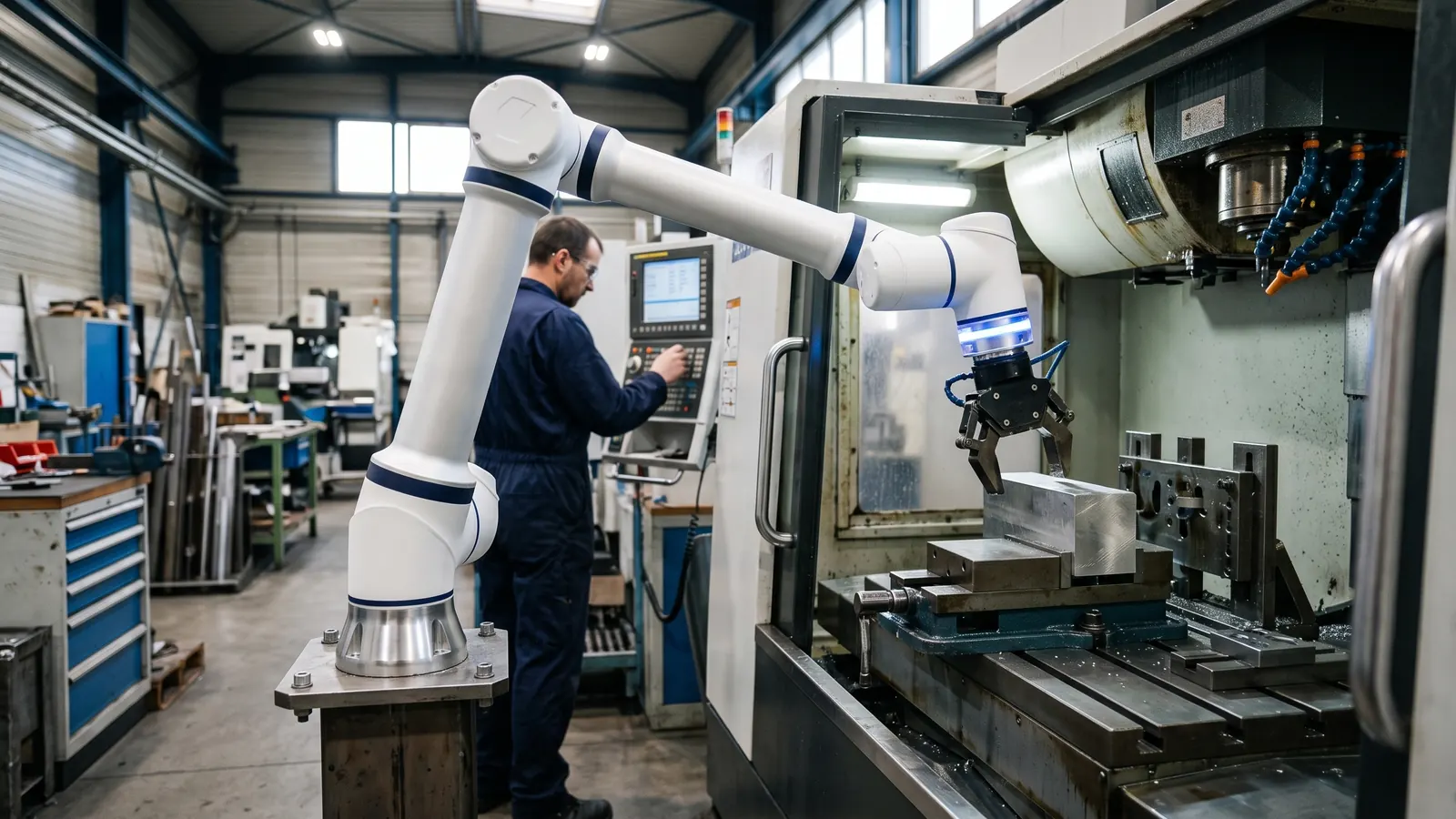 CNC machine tendingThe cobot does the repetitive move at the machine door. The setter keeps the skilled work: programs, tooling, measuring and first-off parts.
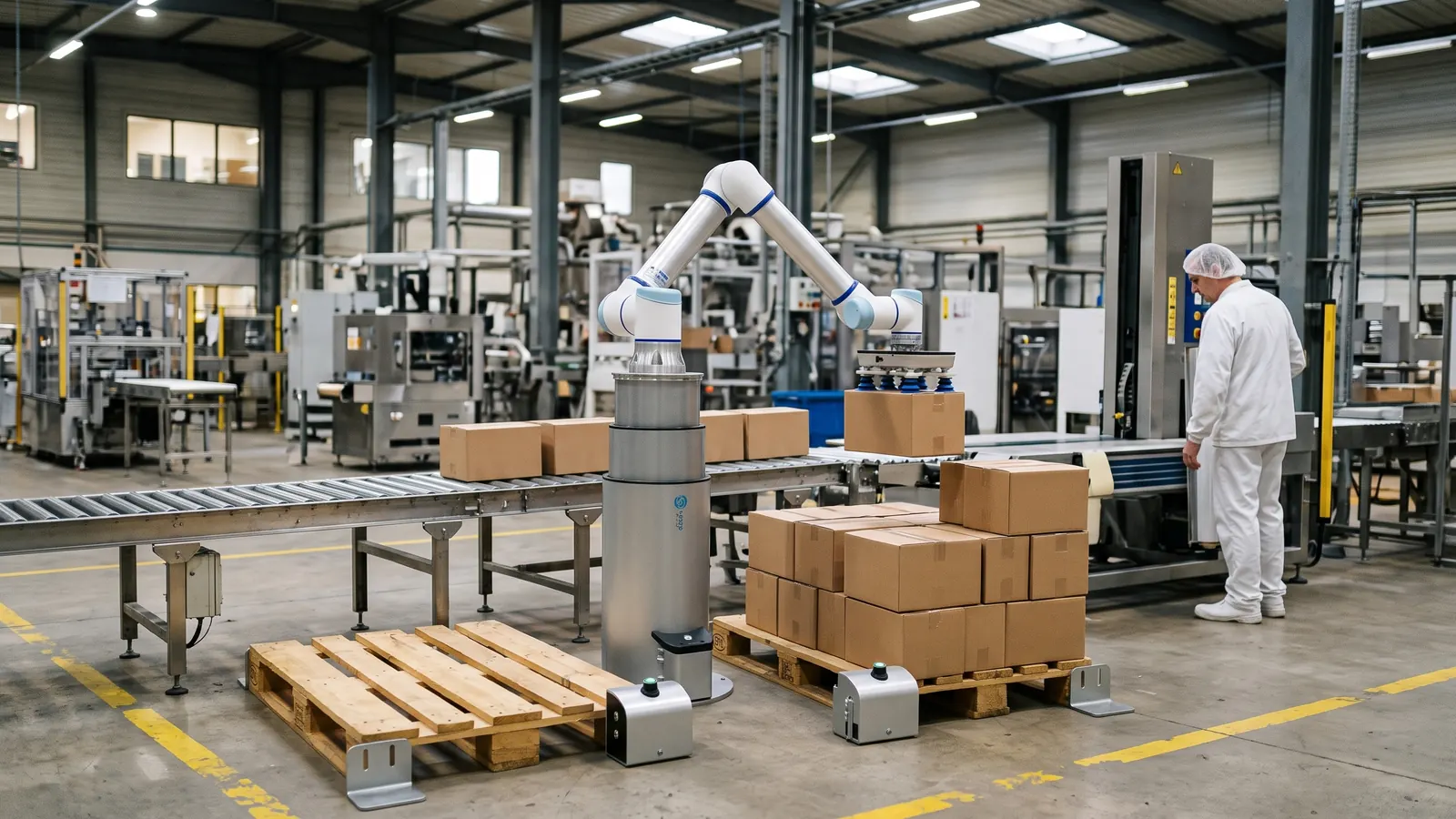 End-of-line palletizingThe cobot builds the pallets at the end of the line. The operator no longer lifts cases: he supplies, wraps, moves full pallets out and watches production.
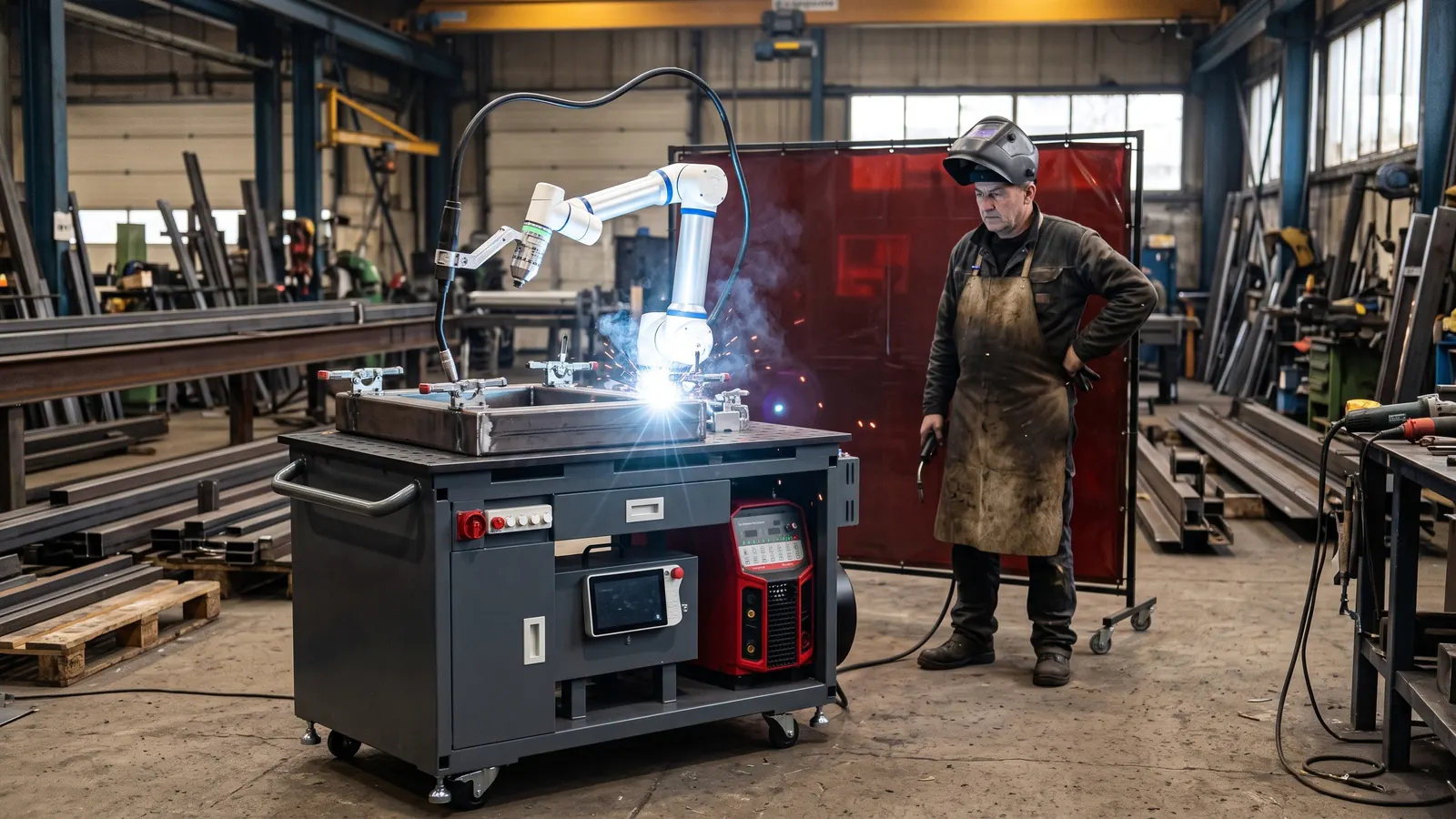 Collaborative weldingThe welder keeps the craft: preparation, tacking, setting parameters and checking the welds. The cobot takes the repetitive welds of the batch.
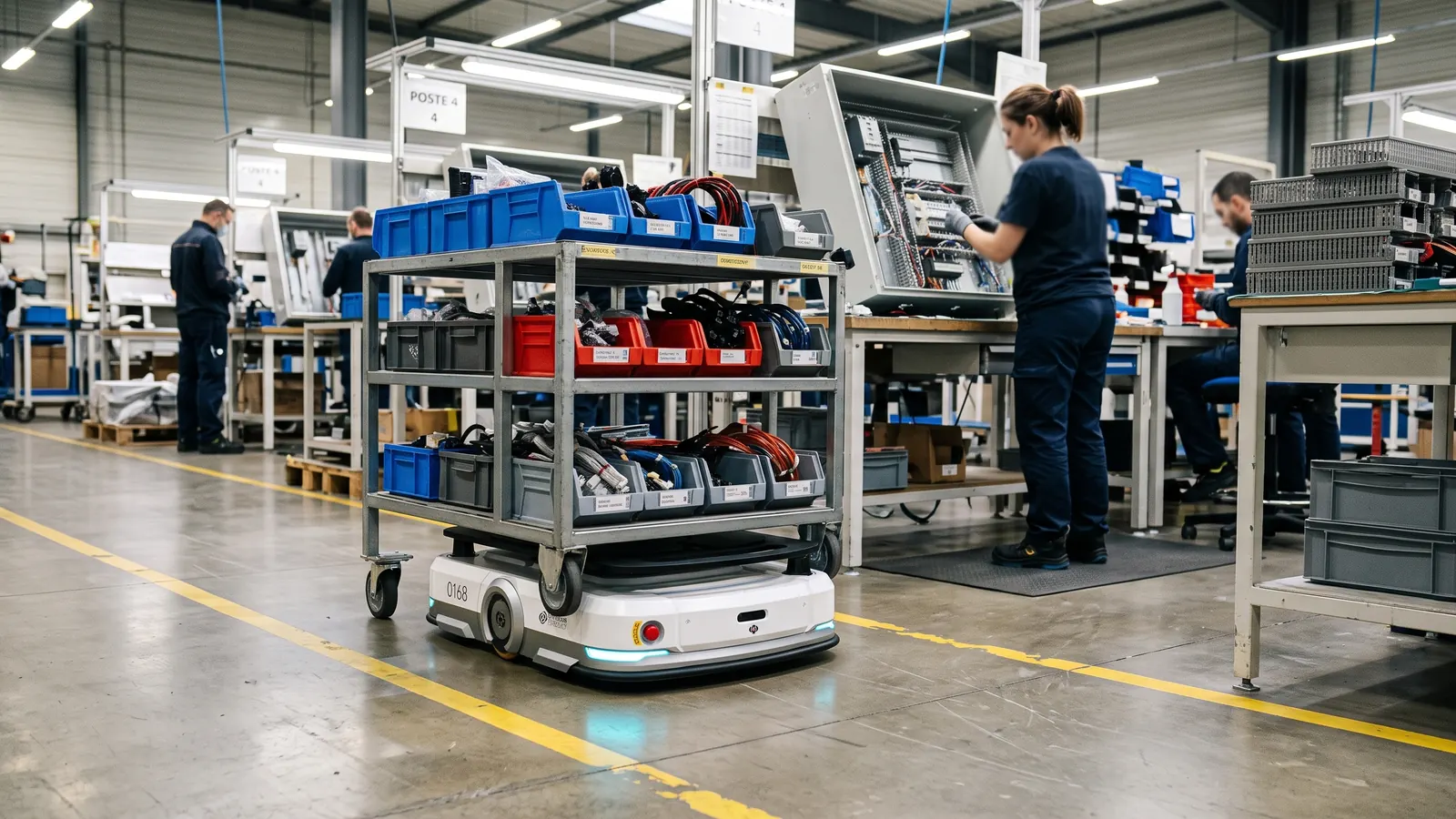 Line-side feedingThe mobile robot runs the milk run between stores and the line. Operators no longer leave their station to fetch parts, and the storekeeper prepares instead of driving.
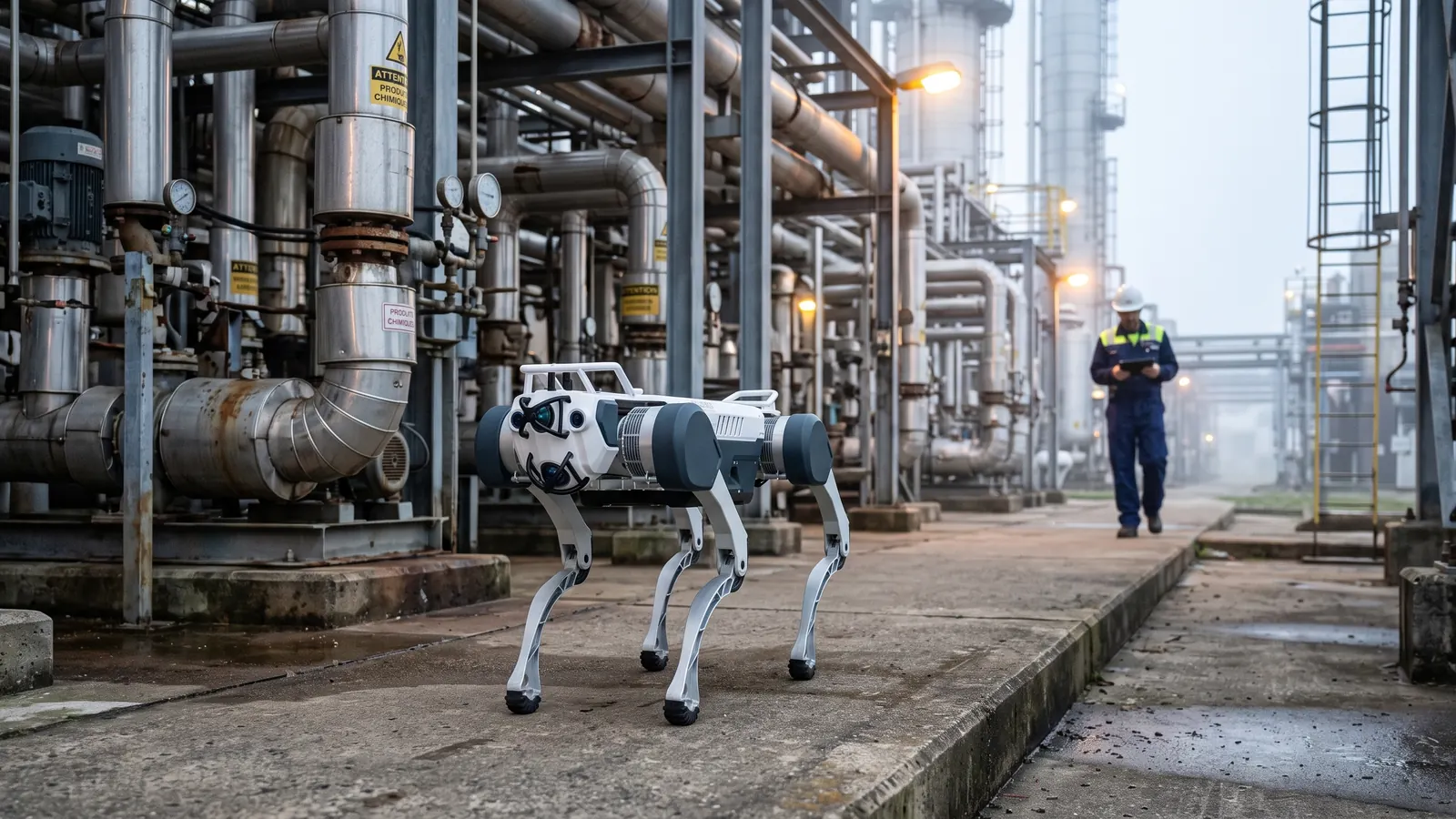 Industrial inspection roundsThe robot walks the same route every day, stops at the same points and records images, temperatures and readings. Technicians review the deviations and step in where needed.
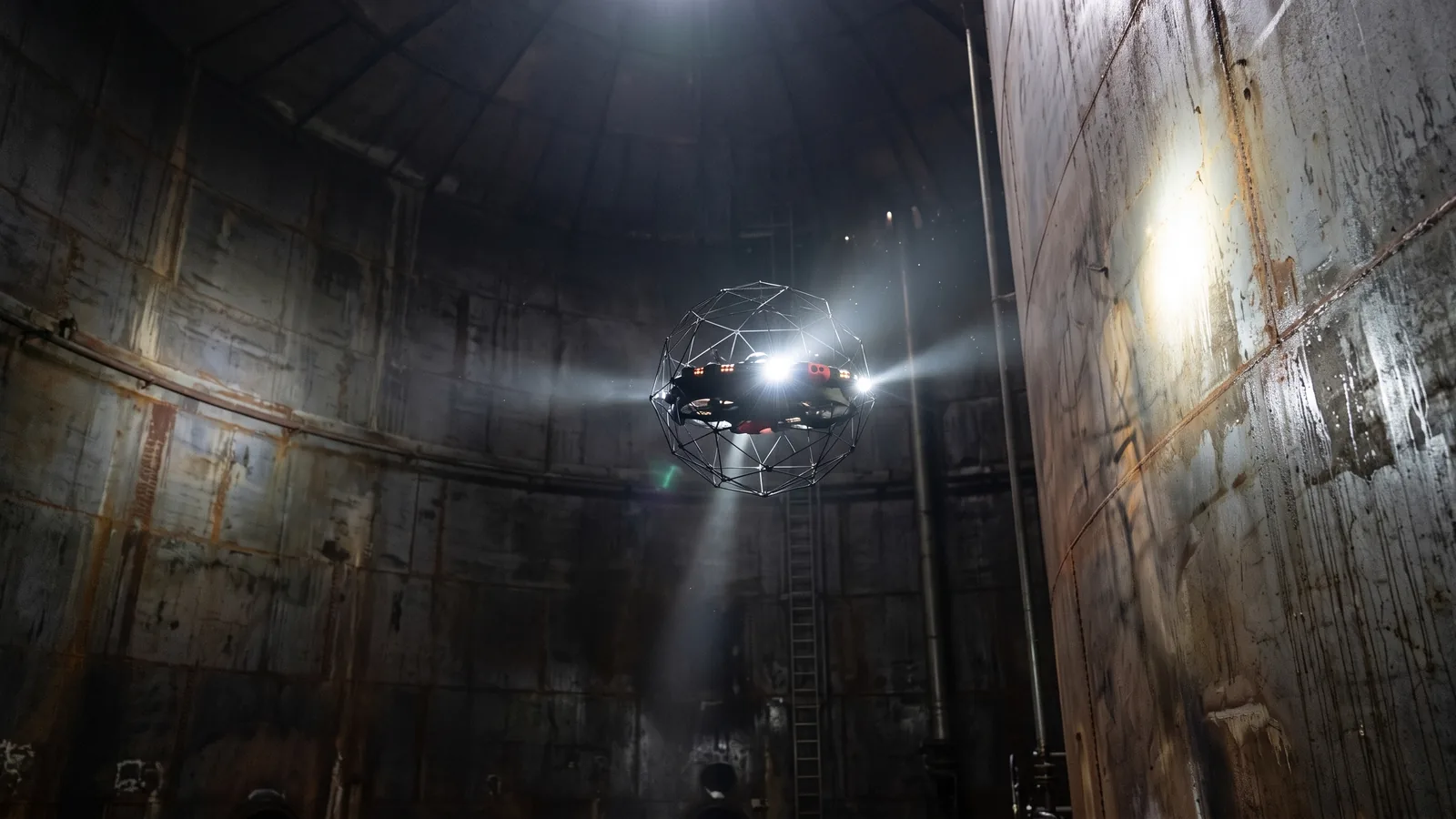 Confined-space drone inspectionThe drone goes into the tank, boiler or silo instead of the inspector and brings back images, video and 3D data. Inspectors keep the analysis, the regulatory measurements and the repair decisions.
Robots, acquisition mode and delivery terms, in one written proposal.