Industrial logistics
- Key feature
- 6 m picking height
- Key feature
- 9 cases per trip
- Key feature
- CE / NRTL
On order
Price on request
Updated
USE CASE · LOGISTICS
The robots climb to fetch totes and cartons from the racks and bring them to the station. The picker picks, replenishes and packs without ladders or carts.
Updated
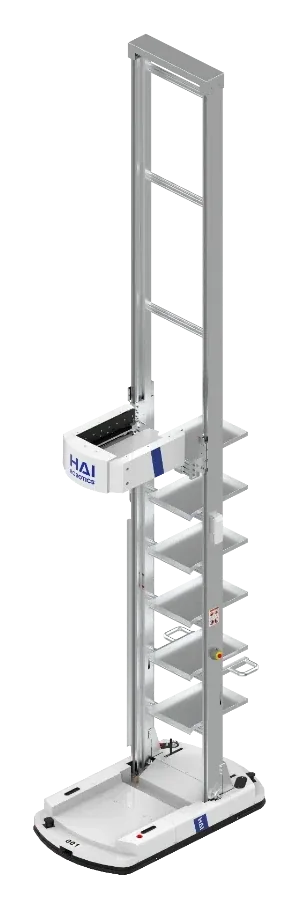
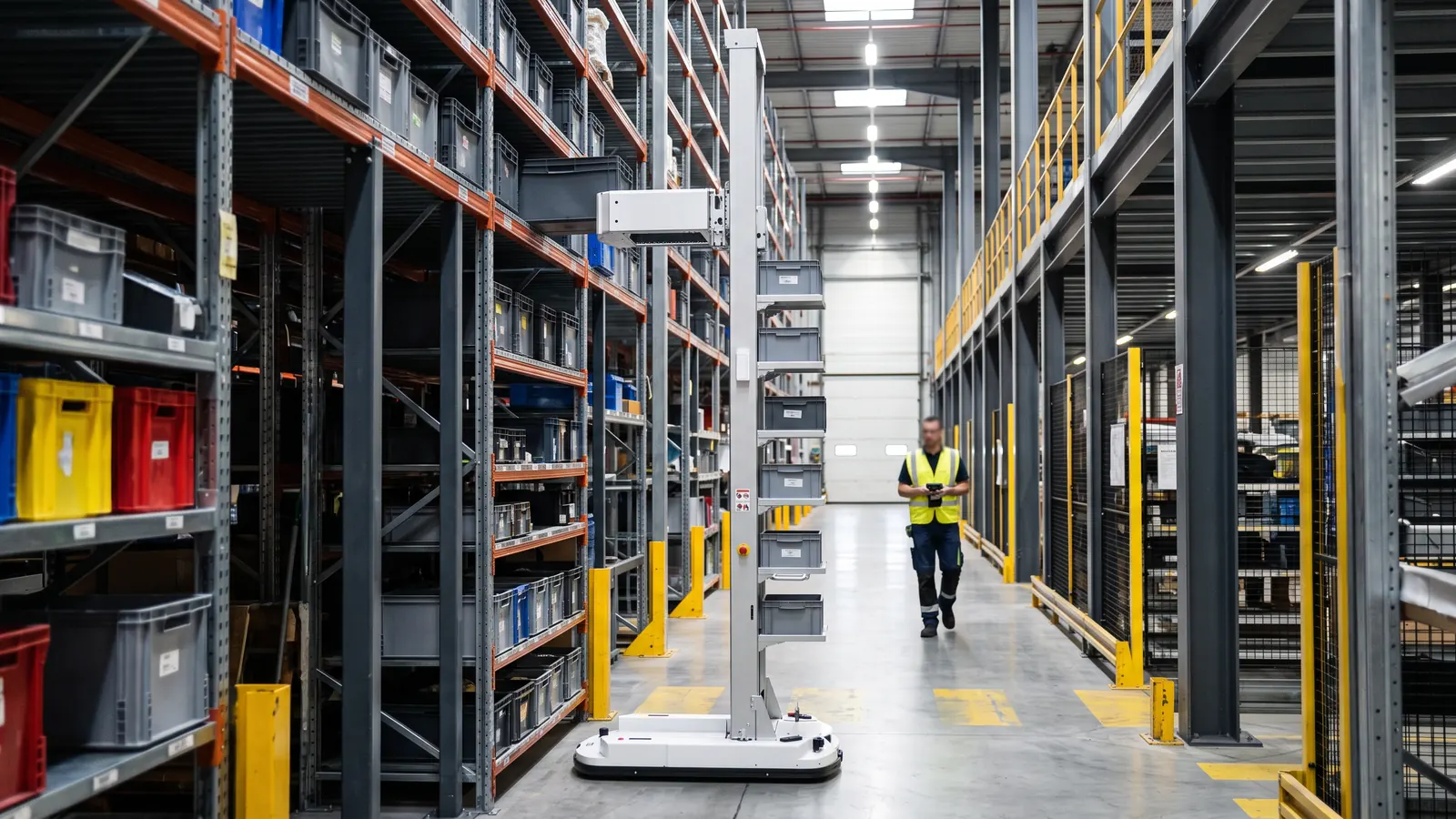
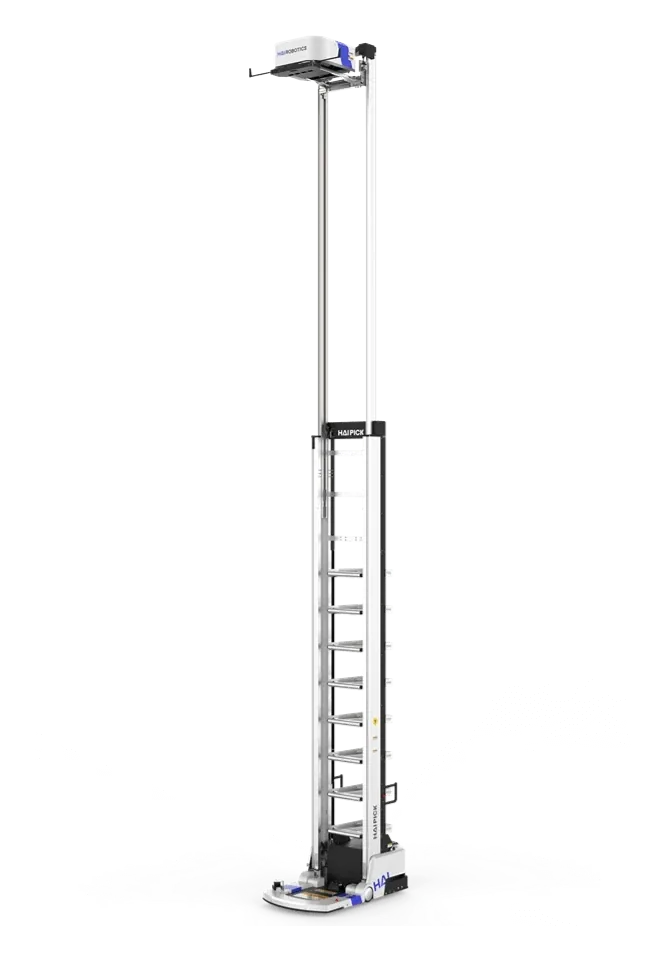
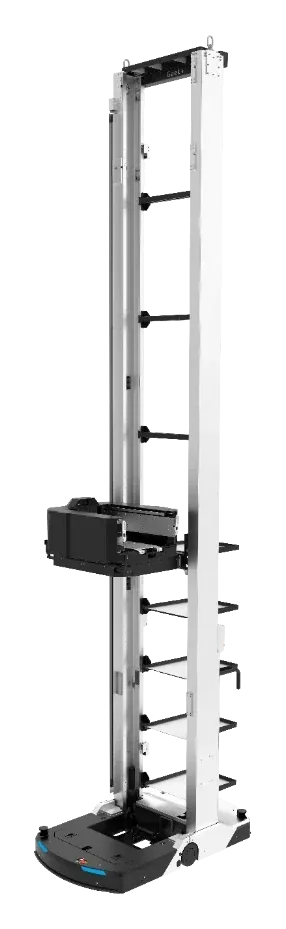
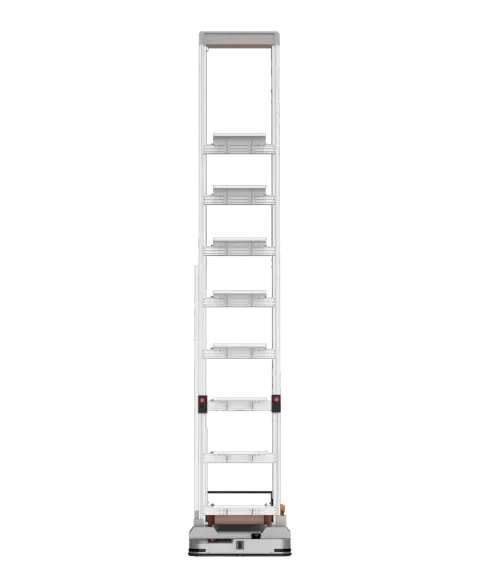
A case-handling robot, or ACR, travels between racks, retrieves plastic totes and cartons at different heights, keeps them on its onboard shelves and brings them to the picking station.
The HaiPick A42 picks up to 6 m high and carries up to 9 cases per trip according to its manufacturer.
Robot Distribution studies the storage, lays out racks and stations, connects the software to your WMS, trains the team and maintains it, to buy, rent or as RaaS.
WHY
Many warehouses keep small items in totes on racks no taller than a person, while the building offers much more. The volume above stays empty, and pickers walk wide aisles to reach the locations.
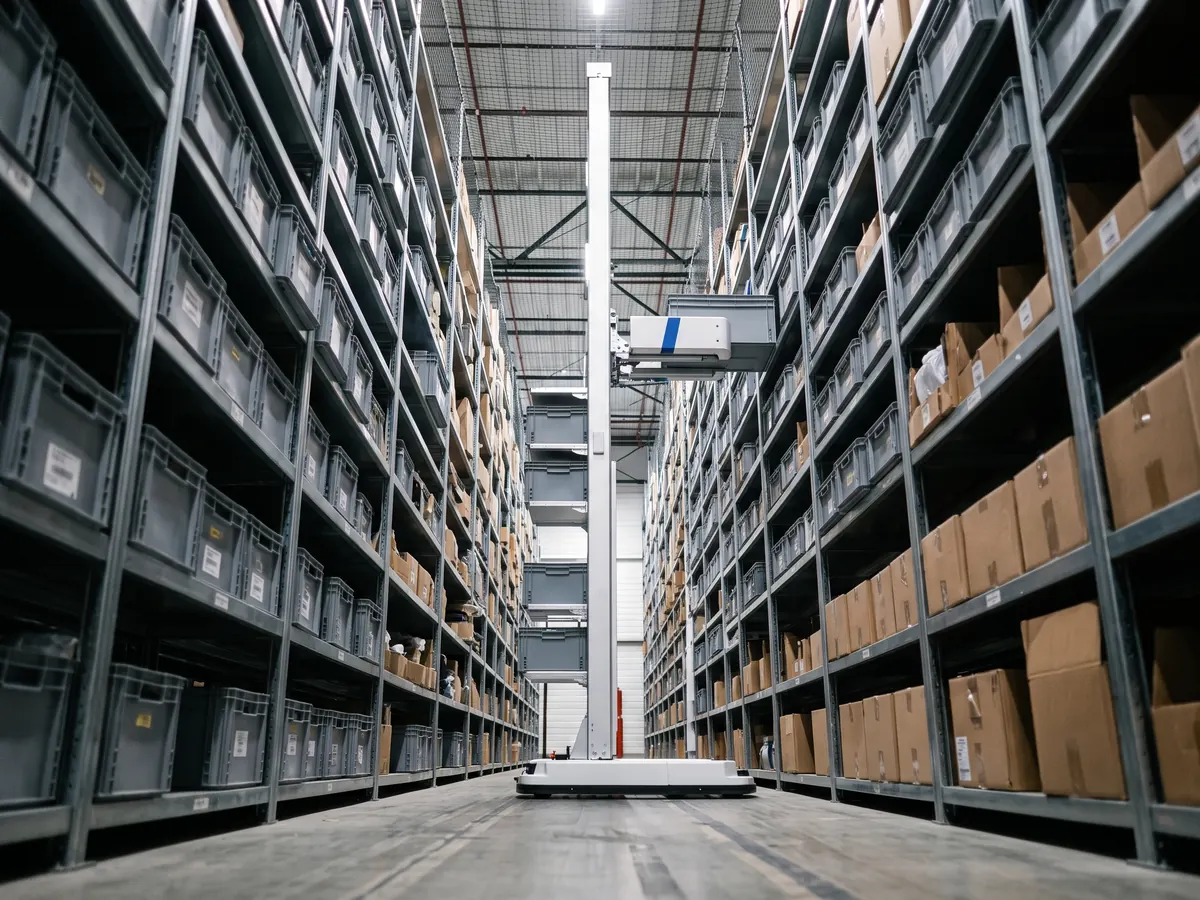
Tote robots use the full clear height with narrow aisles and do the walking instead of the pickers. They work with standard totes and cartons and, according to the HaiPick A42's manufacturer, reuse existing racks: roll-out can go zone by zone without stopping operations.
HOW IT RUNS
The fleet software groups the totes to retrieve and splits them between available robots, based on their locations.
It enters the aisle, raises its handler to the right level, pulls the tote from the rack and puts it on one of its onboard shelves, then moves on to the next.
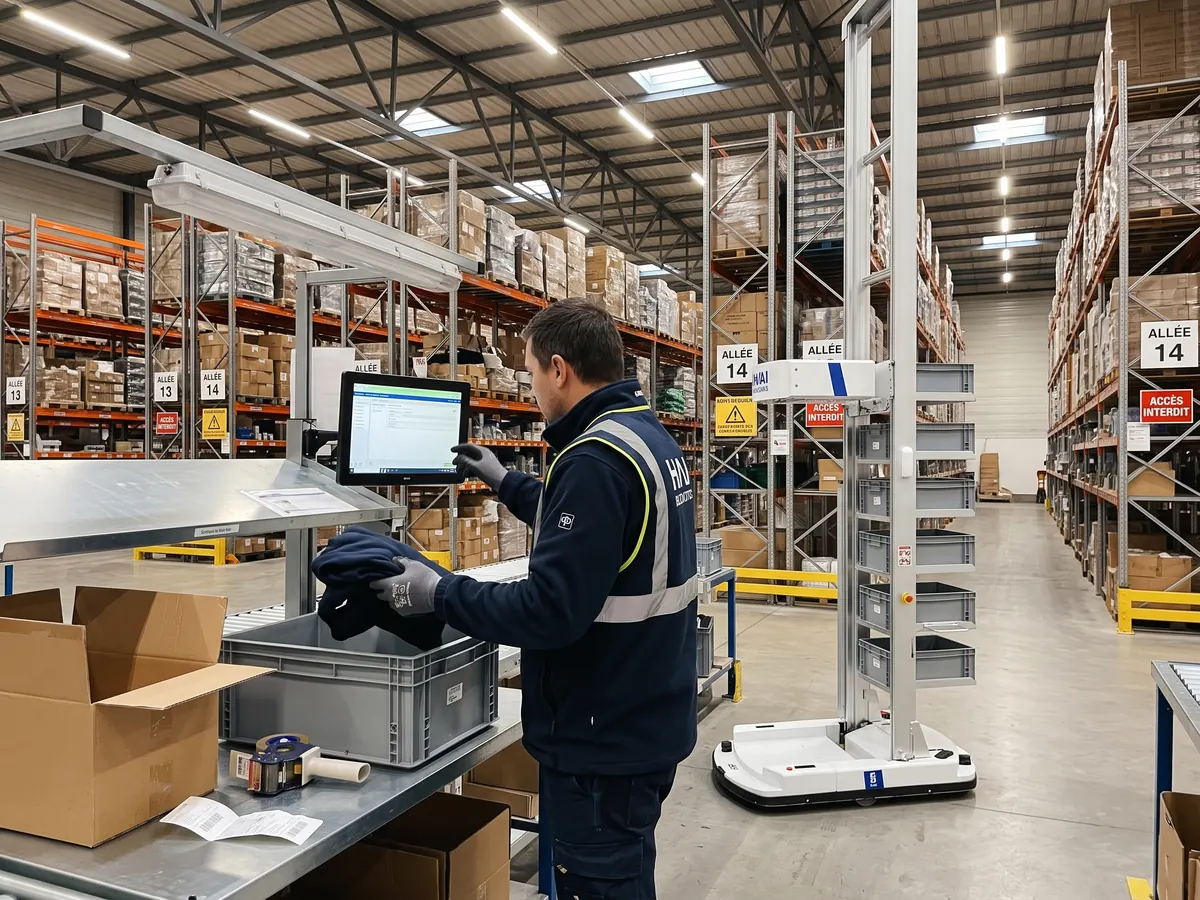
At the picking station the totes are presented to the picker, who takes the items shown on screen and puts them in the parcels.
Part-used totes go back to a free location; goods-in replenishes empty totes through the same loop.
THE ROBOTS
Industrial logistics
Industrial logistics
Industrial logistics
Industrial logistics
BEFORE INSTALLING
Height under the roof structure, sprinklers, lighting and slab flatness: these set the storage height and the right robot.
Sizes, maximum weight per tote and carton condition: the handler must pull and place them without crushing them.
Reuse of existing racks or new ones, aisle width, anchoring and load checks on the racks.
Number and position of stations, exchange with the WMS, Wi-Fi, charging and a robot zone closed to pedestrians.
FAQ
6 m for the HaiPick A42, 12 m for the HaiPick A42T, a 7,935 mm lift for the Geek+ RS8-DA and 7 or 12 m depending on the mast for the Quicktron C56 Telescopic Gripper Robot, according to their manufacturers.
30 kg per case for the HaiPick A42T, 40 kg for the Geek+ RS8-DA and 50 kg per case for the Quicktron C56 Telescopic Gripper Robot according to their manufacturers.
The HaiPick A42's manufacturer states that it reuses existing racks and totes and handles both plastic totes and cartons. The site survey checks the condition, stability and dimensions of your racks.
Up to 9 for the HaiPick A42 and A42T, and 6 to 10 for the Quicktron C56 depending on the version, according to their manufacturers. That cuts the number of round trips per order.
USE CASES
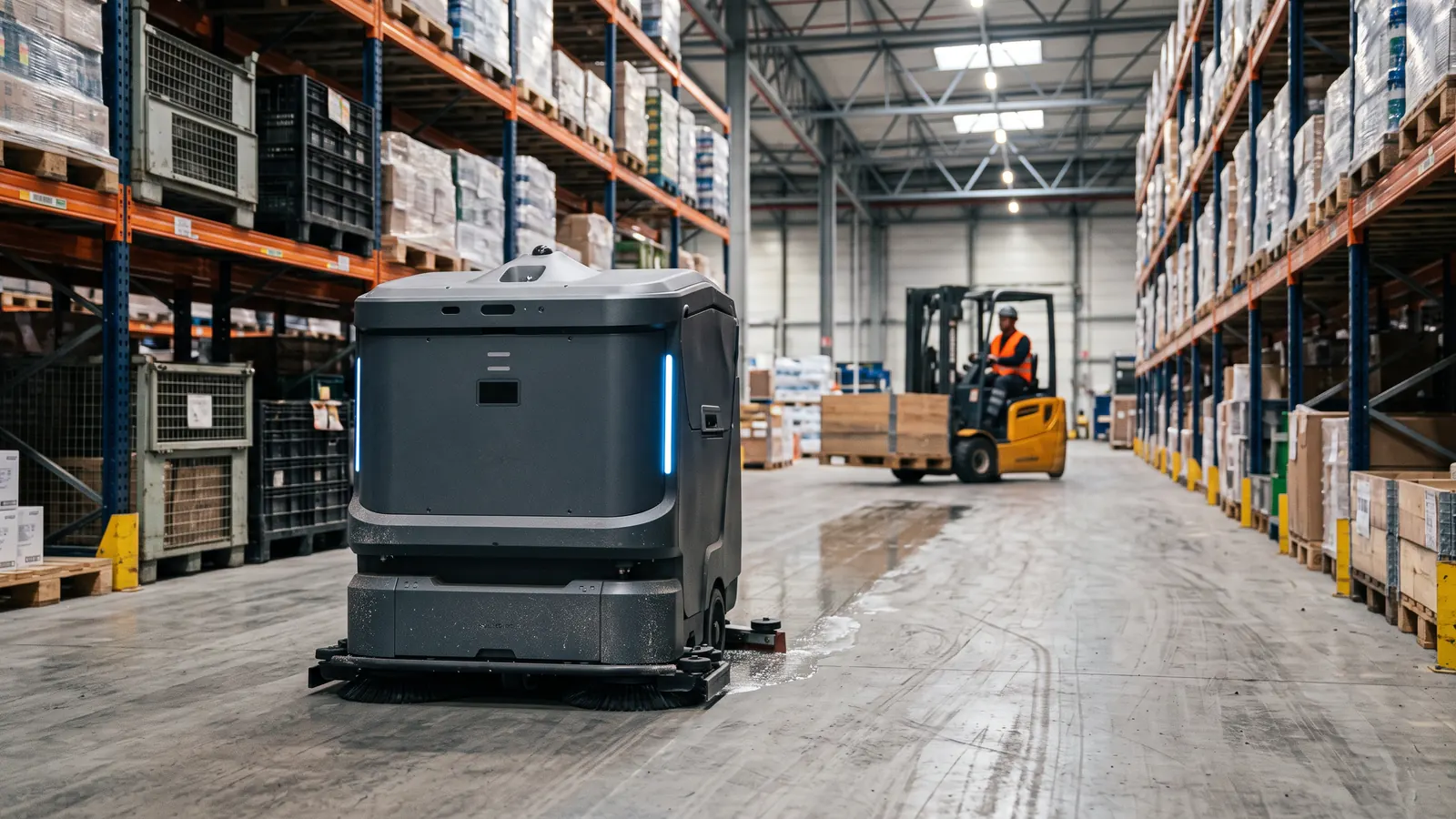 Warehouse and factory floor scrubbingThe robot scrubs aisles and traffic areas without stopping operations. No forklift driver tied up on the scrubber, and the floor stays clean from one shift to the next.
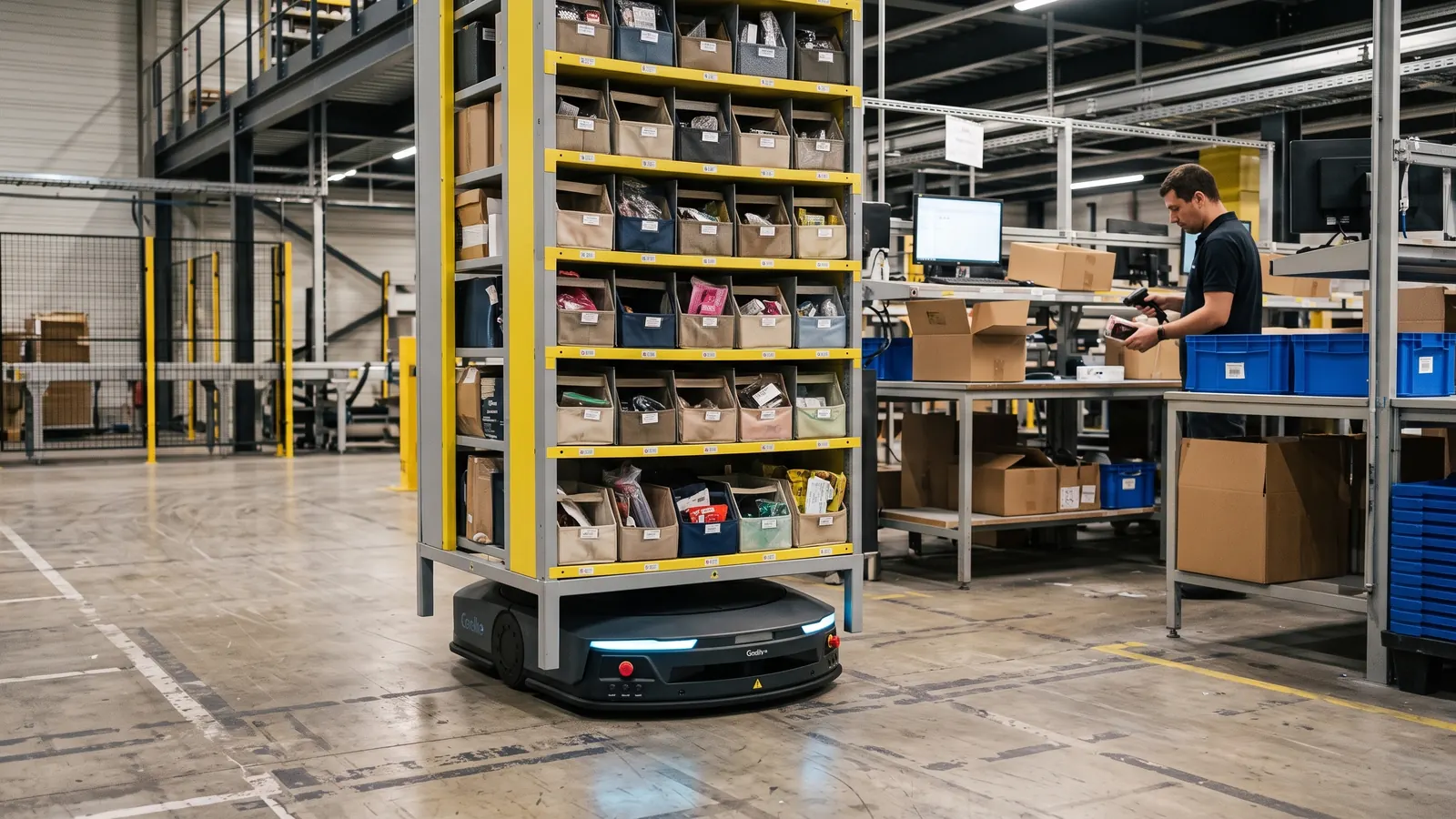 Goods-to-person pickingThe robots lift mobile shelves and bring them to the picking station. The picker stays at the station: picking, checking and packing.
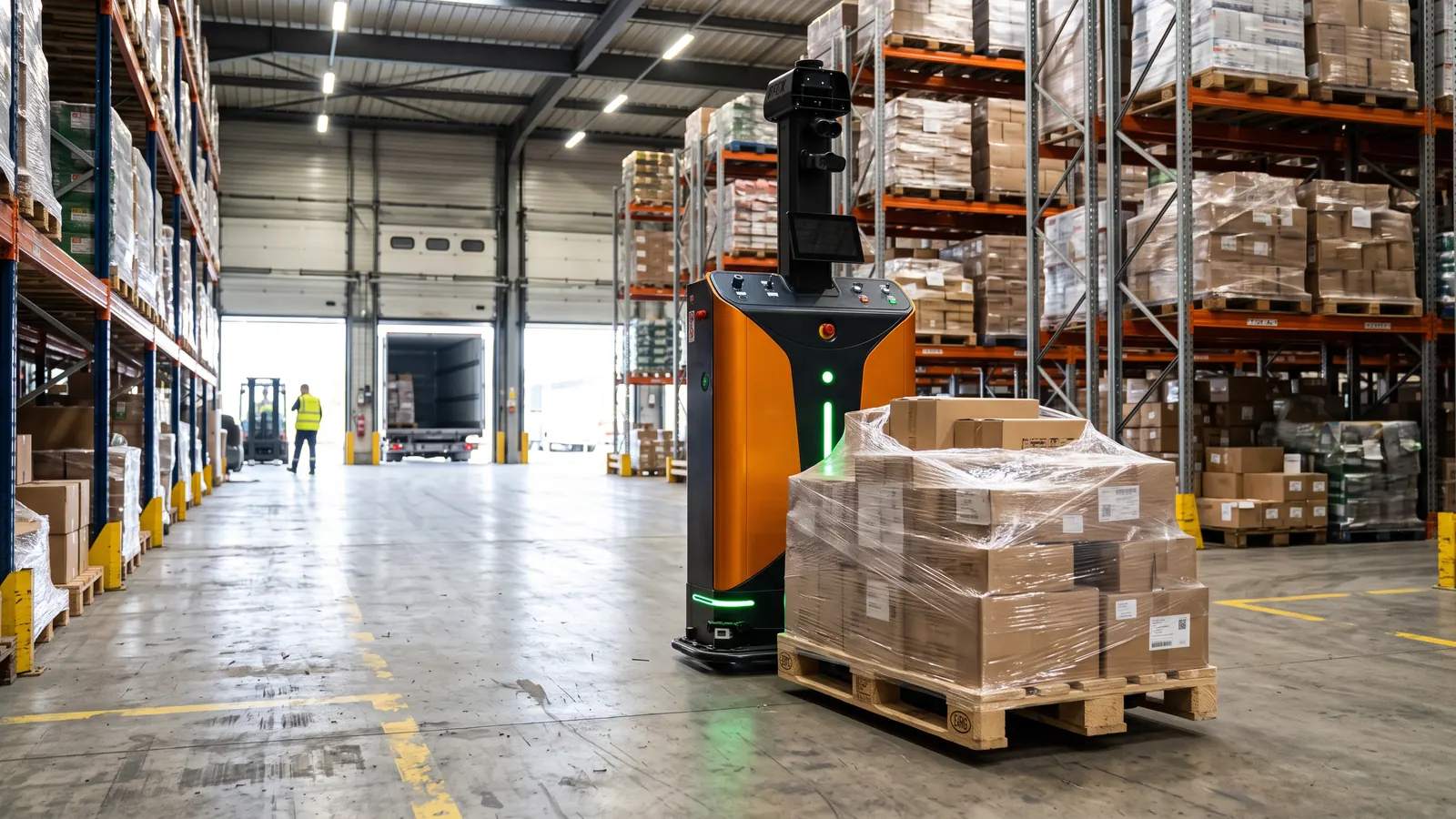 Autonomous pallet forkliftThe autonomous forklift runs the repetitive pallet shuttles between goods-in, storage and production. Drivers keep the loading, special cases and checks.
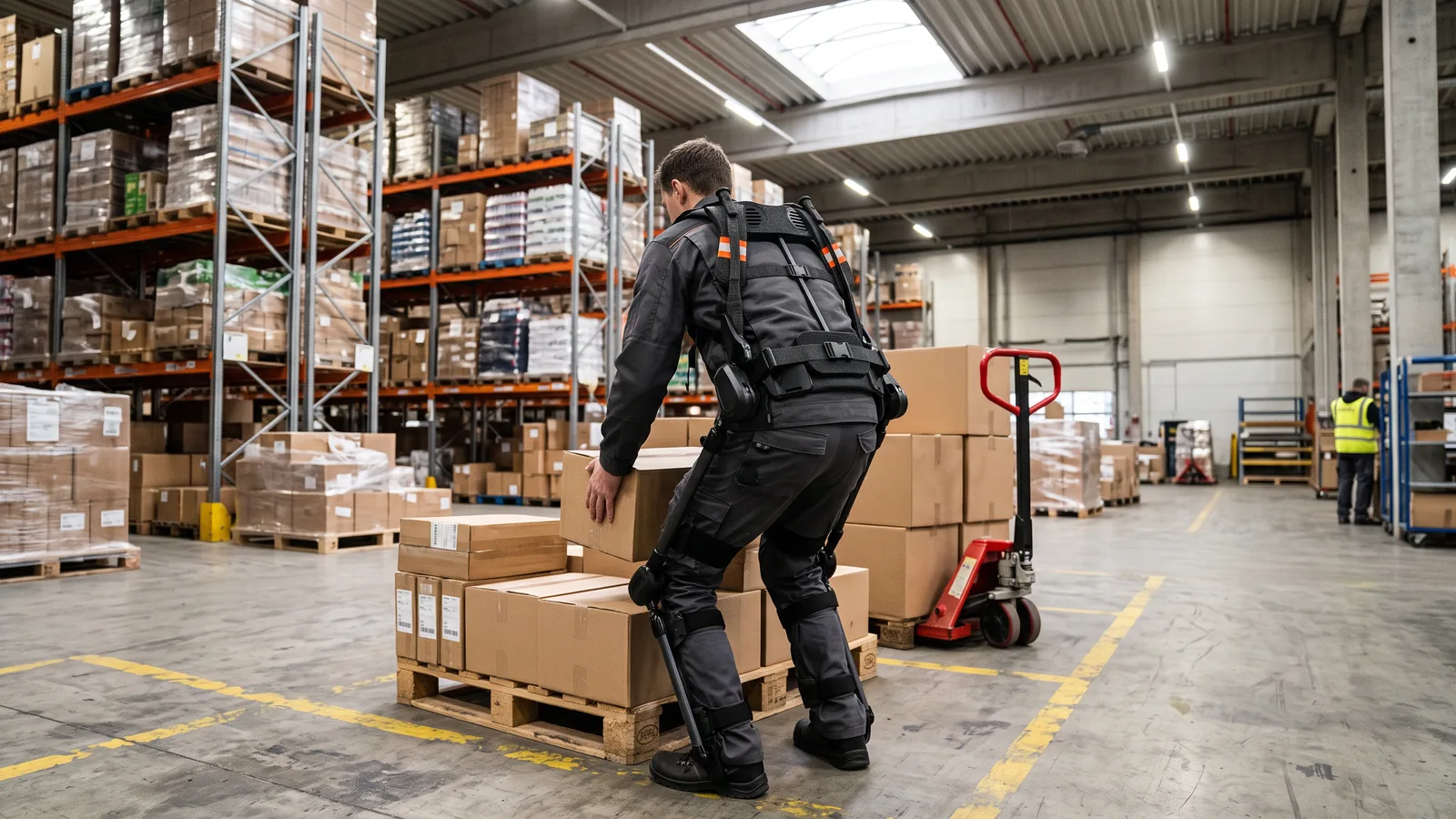 Exoskeletons for manual handlingThe exoskeleton assists the operator on every lift, without changing the workstation or the movement. The worker stays in control; the device reduces the strain on the back or shoulders.
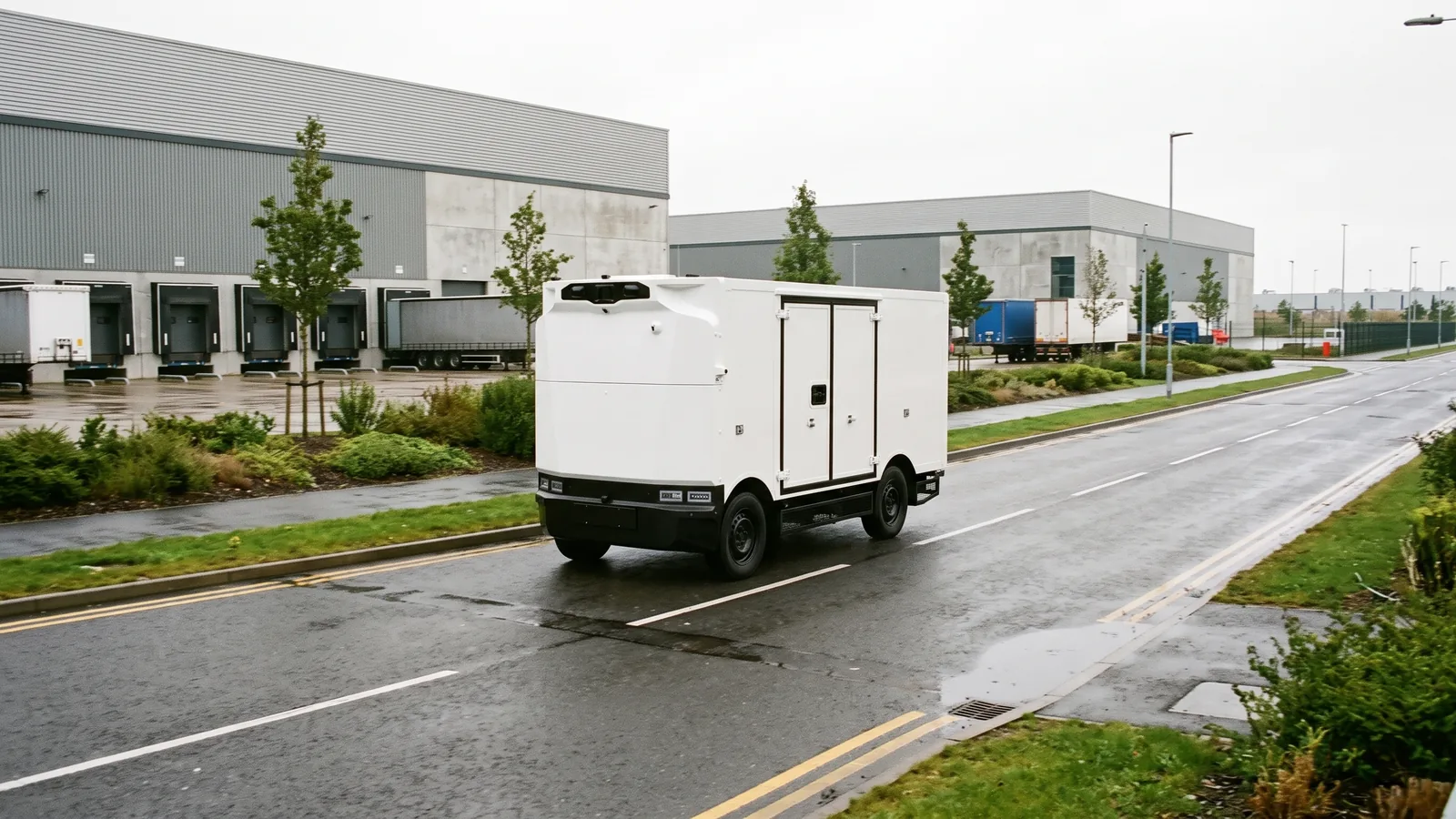 Autonomous last-mile deliveryThe autonomous vehicle carries parcels and goods between a warehouse, delivery points or the buildings of a site. Teams keep loading, fleet supervision and the customer relationship.
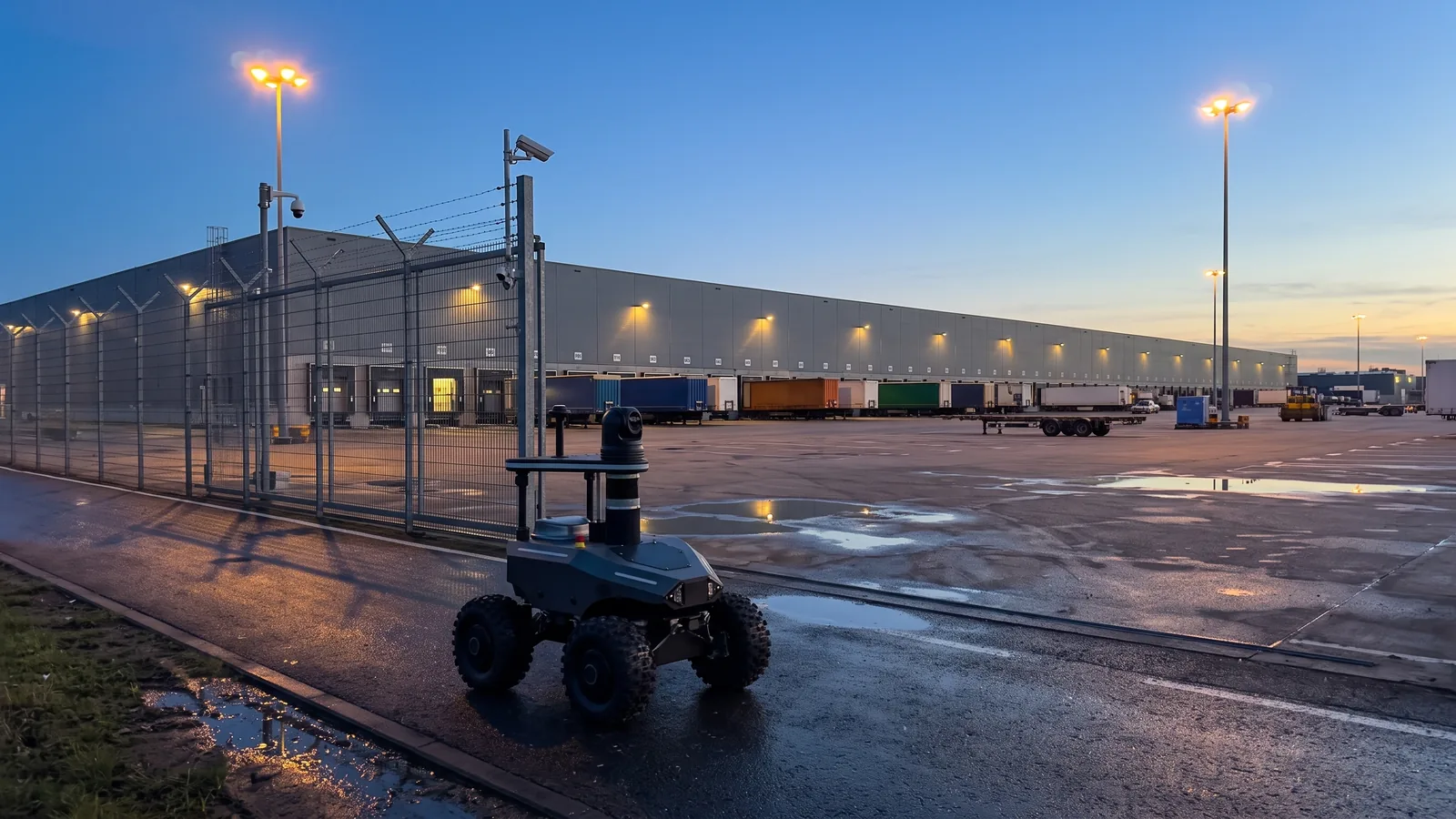 Robotic security for warehouses and logistics yardsThe robot follows the fence, passes the docks and crosses the truck yard on scheduled rounds, then alerts the gatehouse. Guards keep access control, verification and response.
Robots, acquisition mode and delivery terms, in one written proposal.