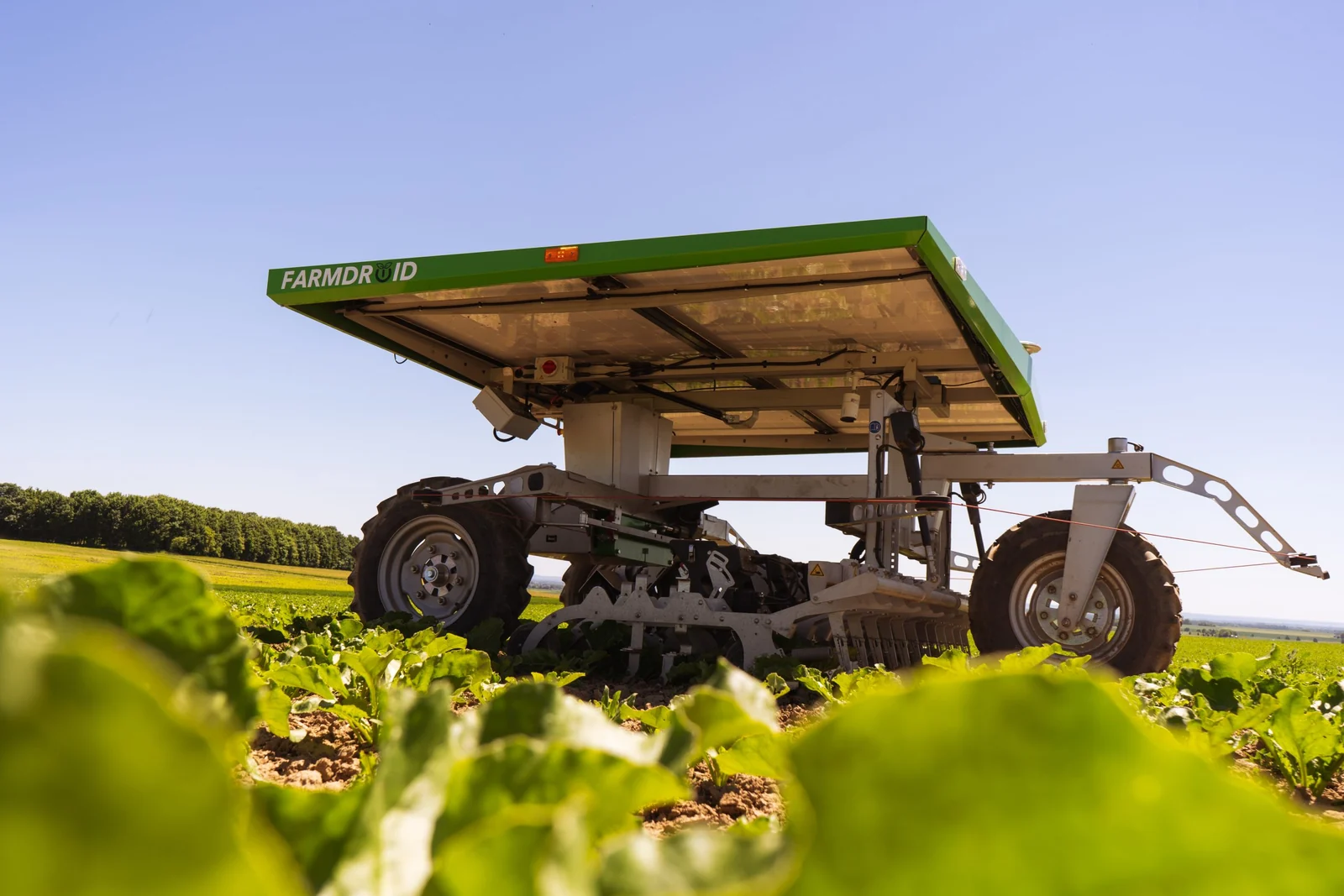
FarmDroid
Agricultural robots
- Weight
- 1,250 kg
- Runtime
- 18–24 h
- Key feature
- 6 ha per day
On order
From €94,990 ex VATor €3,229/month in RaaS
Updated
USE CASE · AGRICULTURE AND VITICULTURE
The robot tells crop from weeds, then weeds mechanically, by laser or with micro-droplets, with no hand weeding. The grower keeps the choice of fields, settings and when to act.
Updated
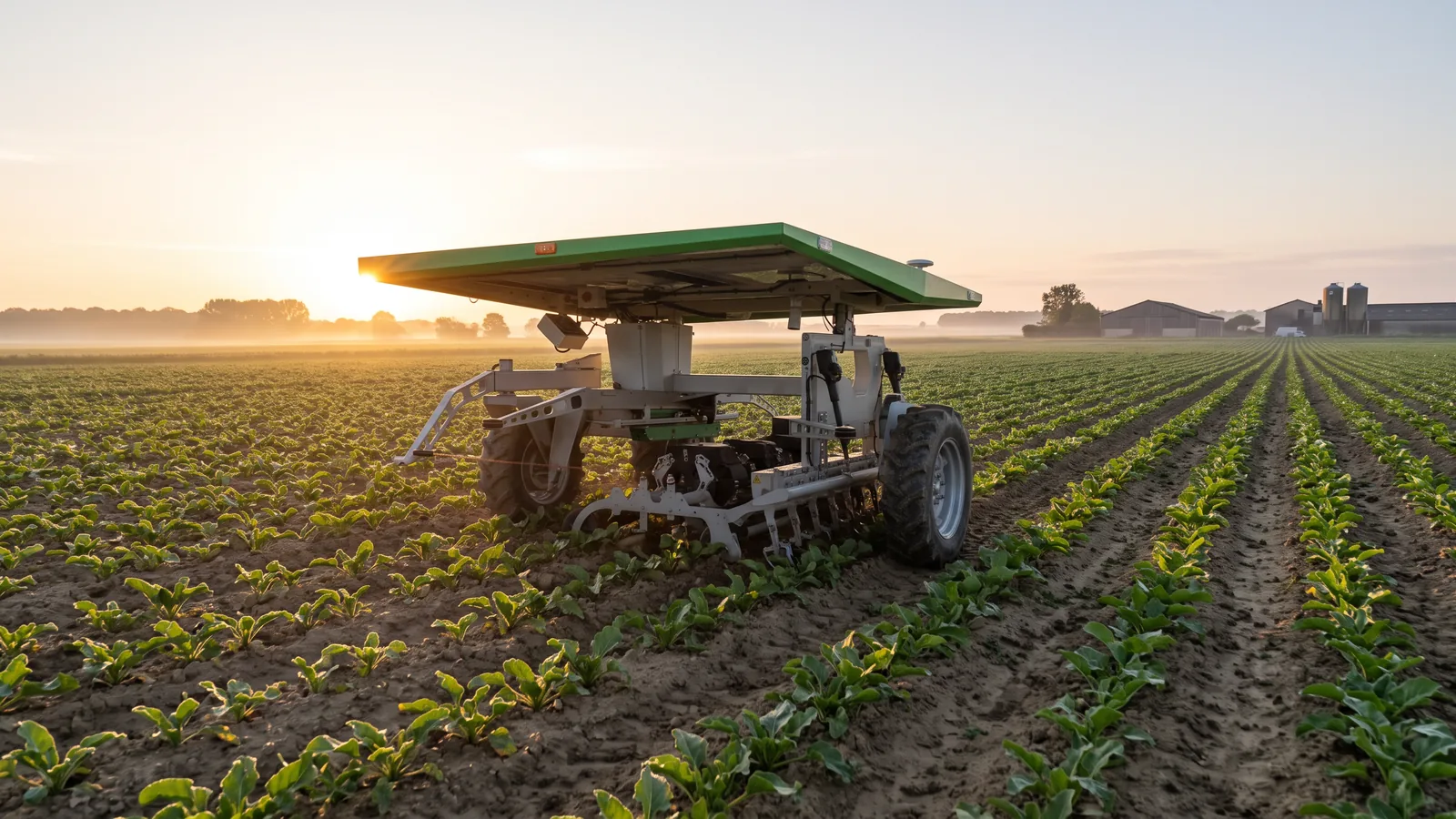
An autonomous weeding robot destroys weeds in the row and between rows, guided by RTK satellite positioning and cameras, replacing hand hoeing or part of the herbicide passes.
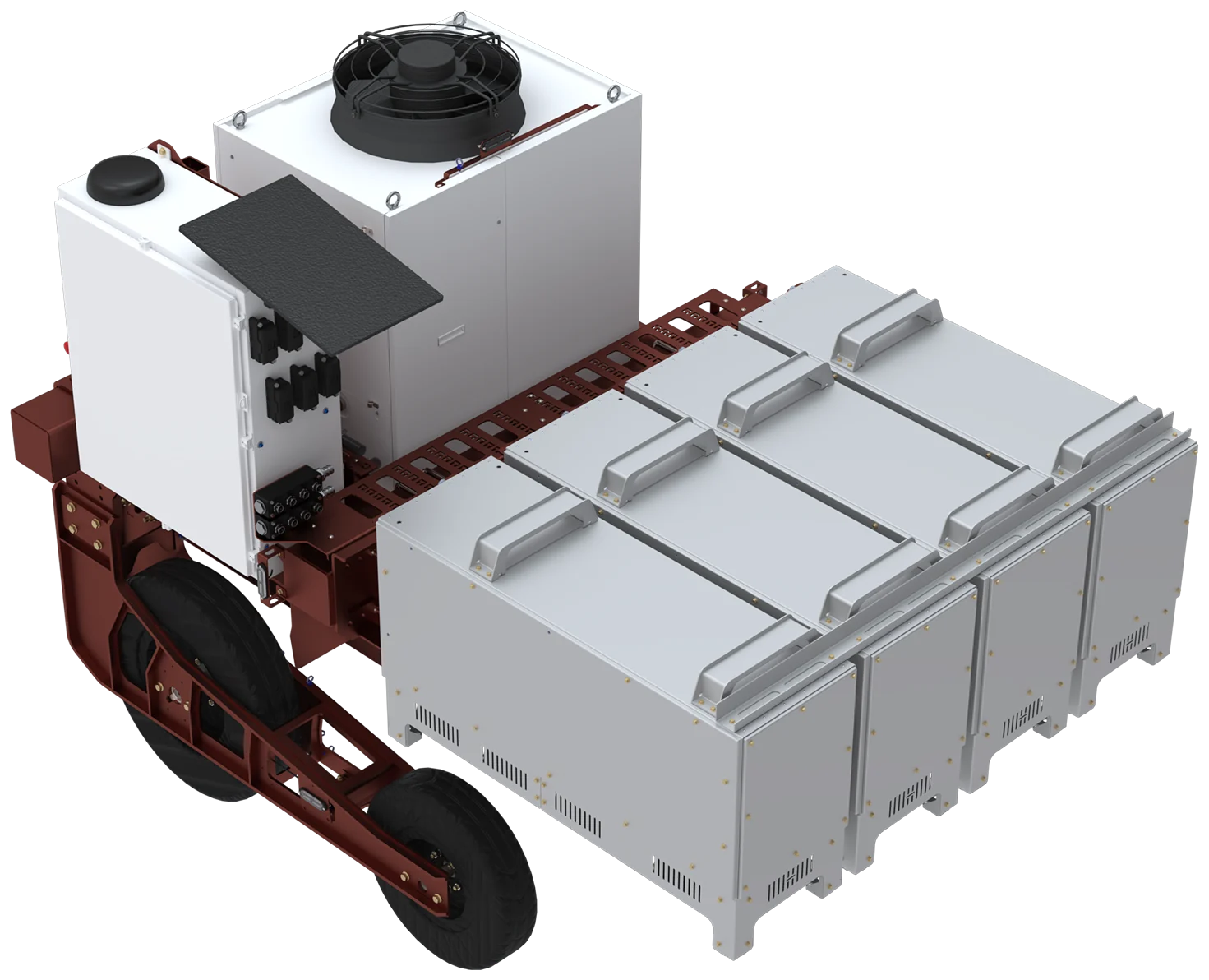
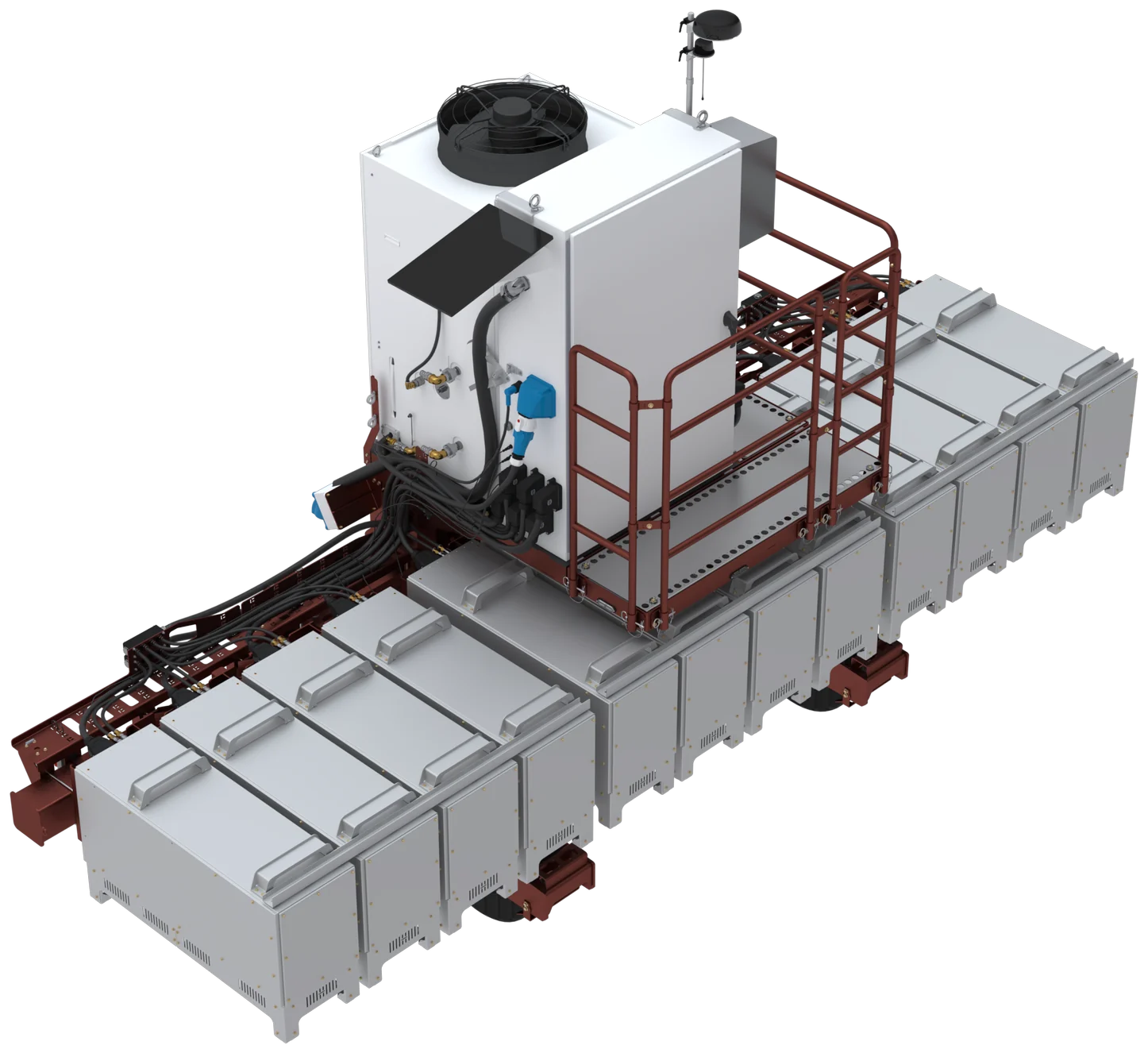
The solar-powered FarmDroid FD20 sows and then weeds, recording each seed position to within 8 mm, and covers about 6 ha per day, according to its manufacturer.
Robot Distribution delivers it, sets it up on your fields, trains your teams and maintains it, to buy, rent or as RaaS.
WHY
In vegetable growing, sugar beet or organic farming, in-row weeding is one of the heaviest jobs of the season. It is often done by hand, in a short window, with labour that is hard to find.
The robot passes regularly, day and night depending on the model, and reduces or replaces herbicides. The grower stays in charge: which fields, which tool settings and when to intervene.
HOW IT RUNS
At commissioning we record field boundaries, rows and headlands. The FarmDroid FD20 works 2 to 12 rows at 22.5 to 90 cm spacing over a 3.5 m width, according to its manufacturer.
The FD20 sows and stores the GPS position of each seed so it can weed around it later. Camera-based weeders tell crop from weeds in real time.
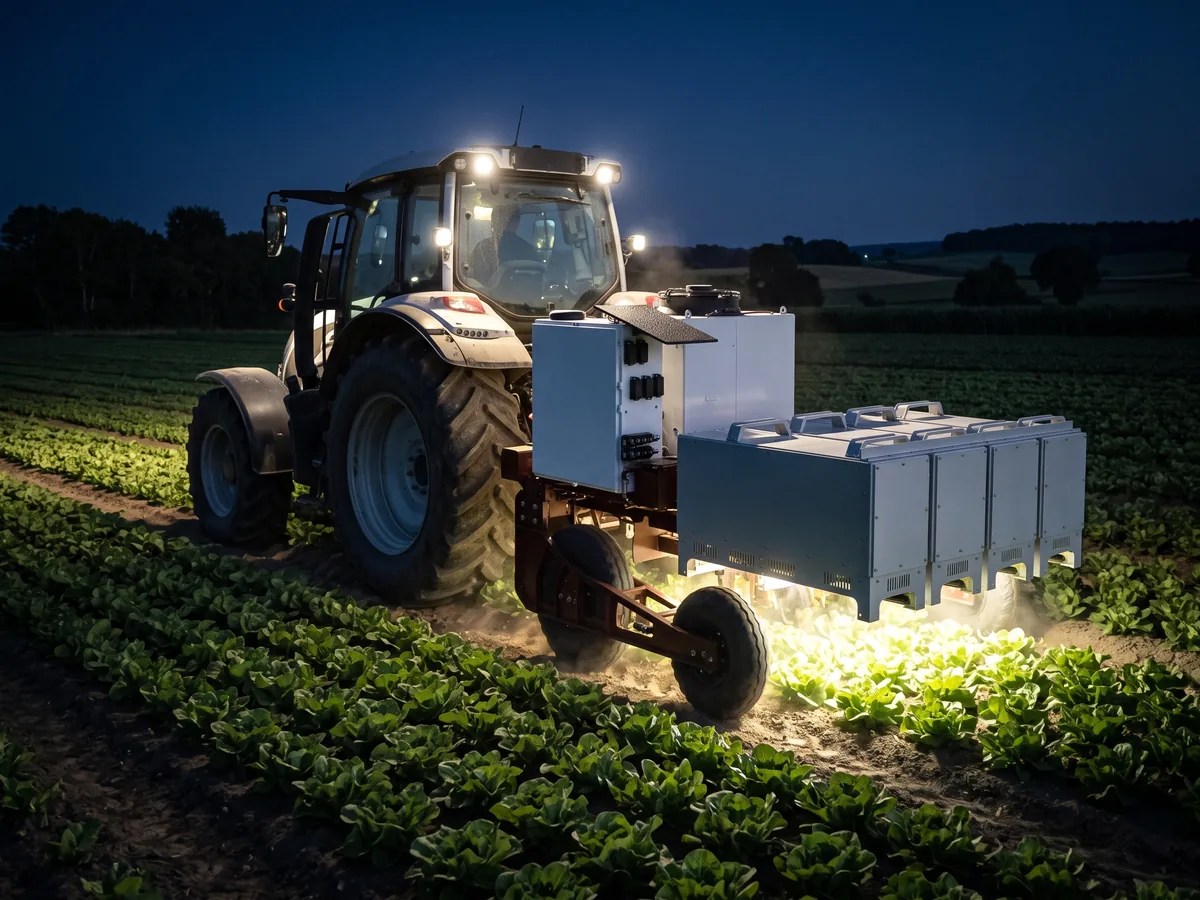
Depending on the model, the robot hoes, fires a laser or places a micro-droplet. Each Carbon Robotics LaserWeeder G2 module carries two 240 W lasers and three cameras, according to its manufacturer.
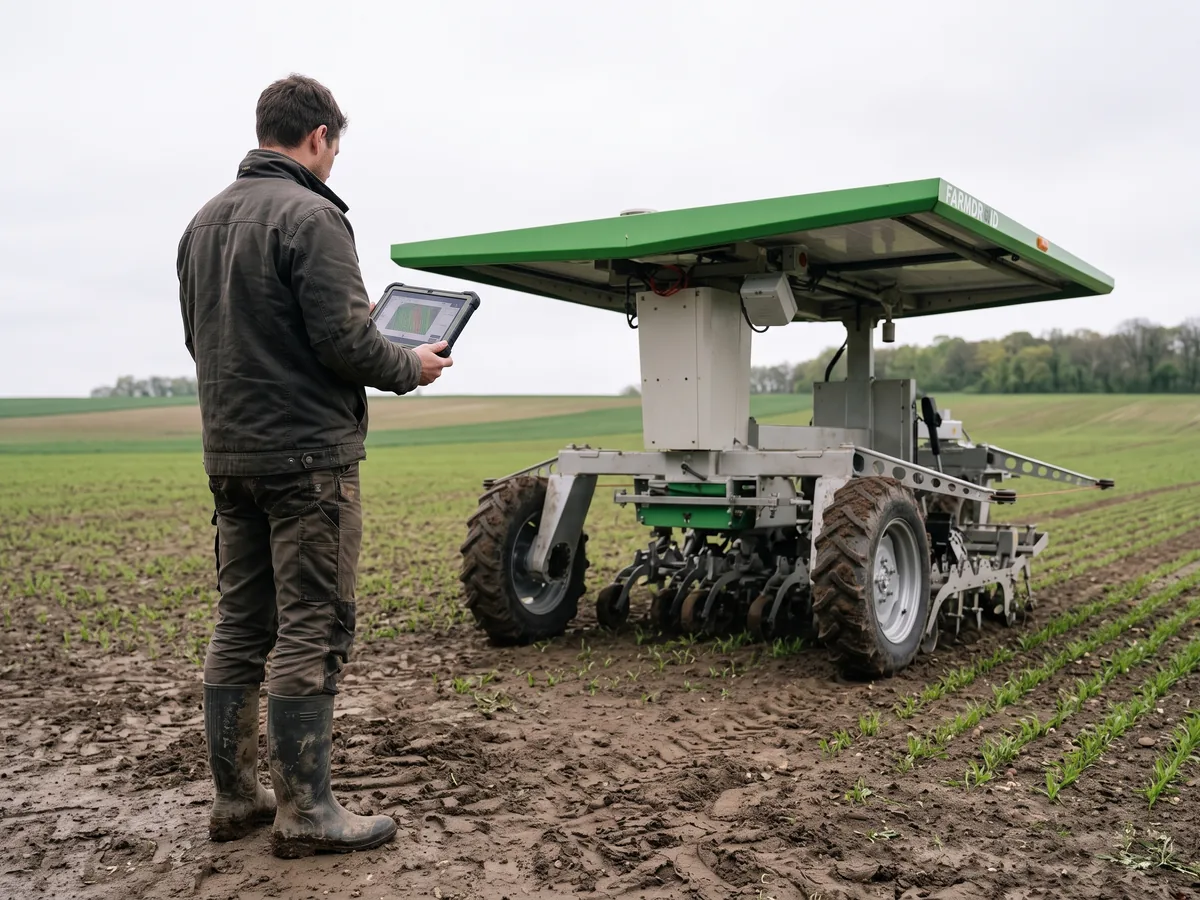
The grower follows the runs, adjusts settings to the crop stage and checks the tools. Robot Distribution handles maintenance and wear parts.
THE ROBOTS
FarmDroid
Agricultural robots
Agricultural robots
Agricultural robots
Agricultural robots
Agricultural robots
BEFORE INSTALLING
Crop type, number of rows and spacing set the model: the Naïo Oz works up to 100 cm wide, the LaserWeeder G2 600 over 6.1 m, according to their manufacturers.
Satellite reception and RTK correction are checked field by field, along with network coverage for remote monitoring.
Slopes, side slopes, sticky or stony soils and headland condition are noted. The FarmDroid FD20 weighs 1,250 kg, according to its manufacturer, so soil bearing matters.
The LaserWeeders are tractor-pulled: we check the available tractor and field access. For autonomous robots, charging and storage are planned.
RULES AND STANDARDS
An autonomous weeder moves without a driver on board, so standards for autonomous farm machinery apply, plus plant protection rules when the robot sprays.
ISO 18497-1:2024, Agricultural machinery and tractors – Safety of partially automated, semi-autonomous and autonomous machinery – Part 1: Machine design principles and vocabulary, sets design principles and the safety information users receive, including residual risks. It excludes public-road operation. Ask the supplier which parts of the standard the robot follows and how it should be moved between fields.
The Machinery Regulation, applicable from 20 January 2027 without transposition, clarifies the definition of autonomous mobile machinery and adds requirements for machines with self-evolving logic and for software protection against corruption. Until then, Directive 2006/42/EC applies. Check the date the robot is placed on the market, which text its declaration of conformity cites, and how remote supervision is set up.
A robot that places droplets of a herbicide, even a biocontrol one such as pelargonic acid, applies a plant protection product. Anyone using these products professionally needs the relevant Certiphyto certificate, valid five years, under the Code rural (art. L. 254-1 and following). Mechanical and laser weeding fall outside this rule. Check certificates for each person supervising the robot.
Since 1 January 2026, professional users record each application electronically in a machine-readable format: product and authorisation number, date, dose, treated area and its location, crop and growth stage. Paper records must be transferred within 30 days. Ask whether the robot's logs export these fields to your farm management software.
General information, not legal advice.
FAQ
Yes. The FarmDroid FD20 weeds between and within rows using the recorded position of each seed, according to its manufacturer. The LaserWeeders and the Kilter AX-1 target weeds one by one with cameras.
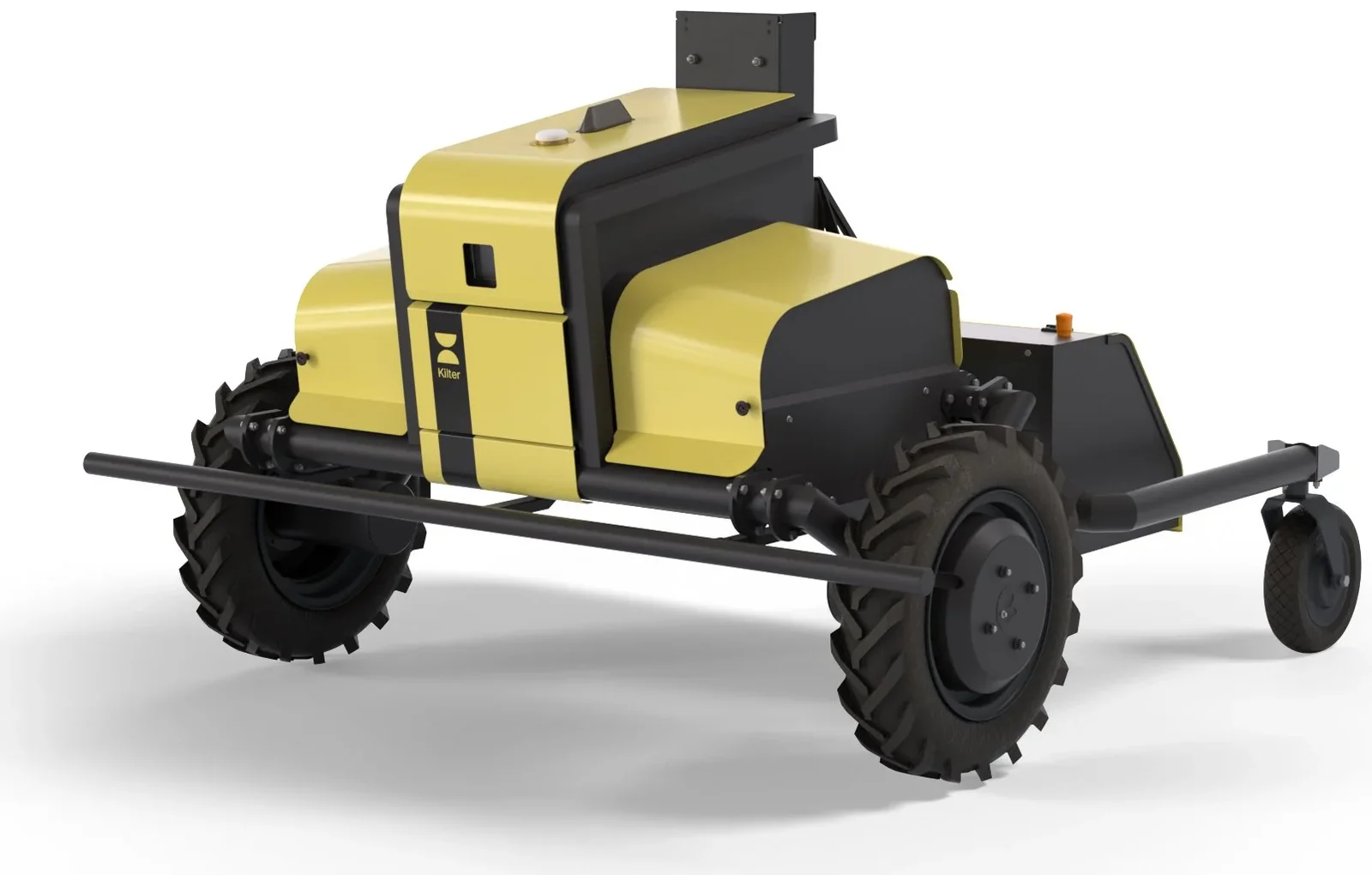
Yes, with mechanical hoeing (FarmDroid FD20, Naïo Oz) or lasers (Carbon Robotics LaserWeeder G2). The Kilter AX-1 uses micro-droplets of pelargonic acid and reports an average 96.6% less herbicide at about 5% weed pressure, according to its manufacturer.
According to the manufacturer, the FarmDroid FD20 covers about 6 ha per day working 18 to 24 h. Actual output depends on crop, spacing and weed pressure: the survey works it out.
Carbon Robotics LaserWeeder G2 modules carry 20 LEDs for day and night work, according to its manufacturer. The solar-powered FarmDroid FD20 runs 18 to 24 h a day.
The electric Naïo Oz weighs 150 kg, works up to 8 h per charge and takes more than 35 tools, according to its manufacturer. The 2.0 m wide LaserWeeder G2 200 is aimed at the smallest farms in the Carbon Robotics range.
USE CASES
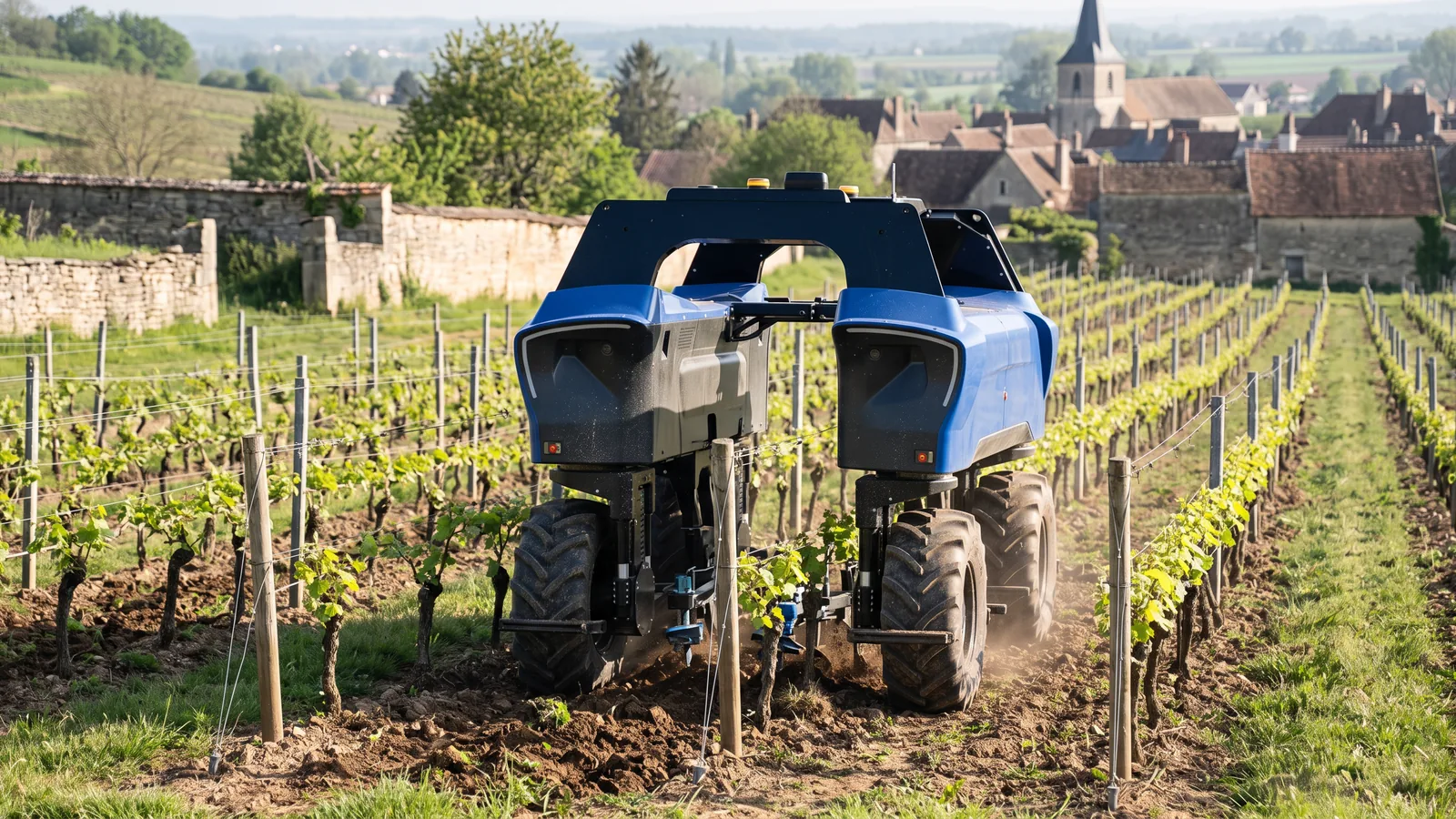 Vineyard soil work and canopy careThe robot straddles the row and carries tools for soil work, mowing and trimming, guided by satellite. The grower keeps pruning, crop decisions and watching the vines.
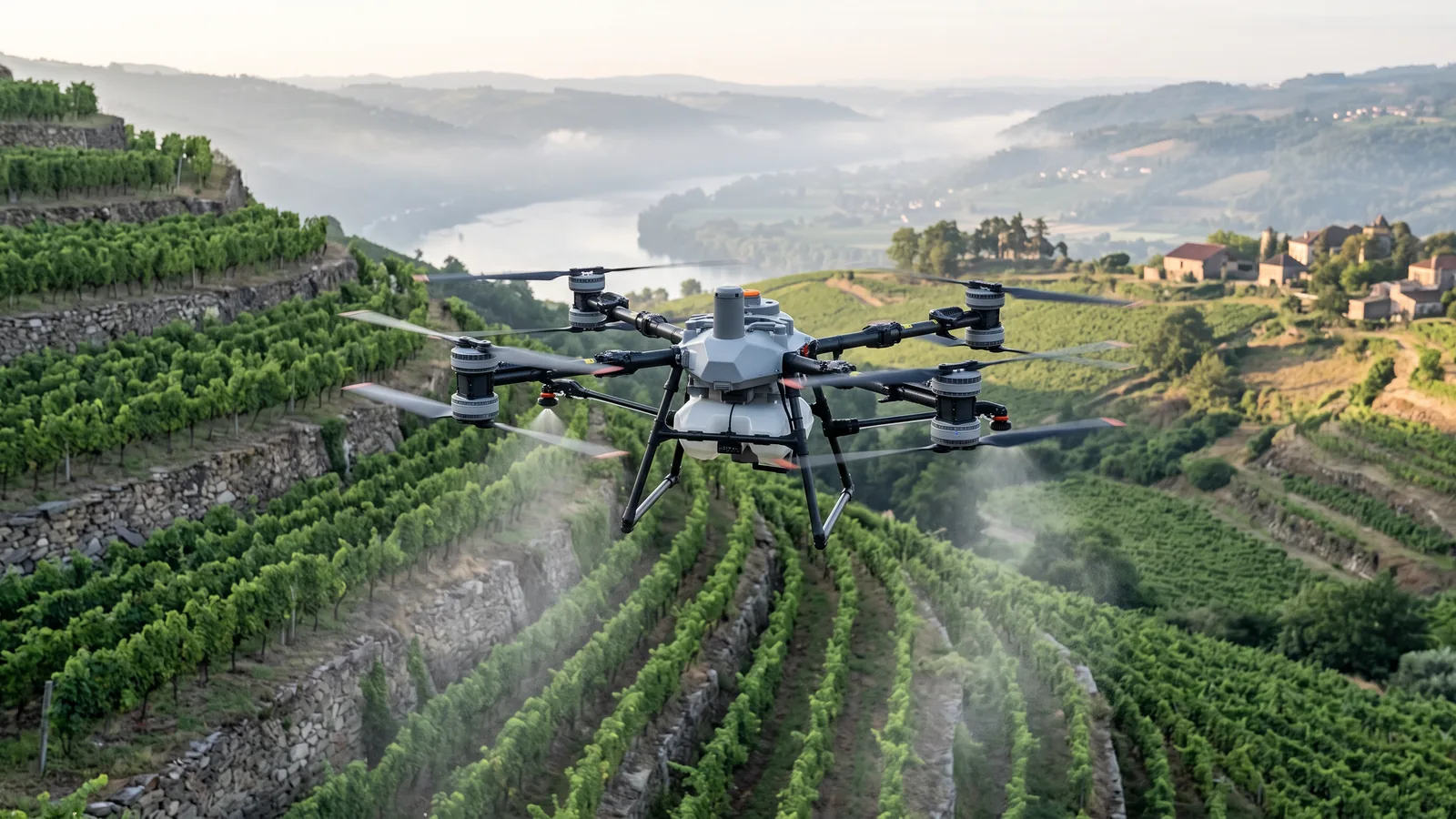 Agricultural drone spraying and spreadingThe drone follows a flight plan drawn over the field and spreads fertiliser, seed or spray, without entering the crop. The regulatory framework is checked before each use.
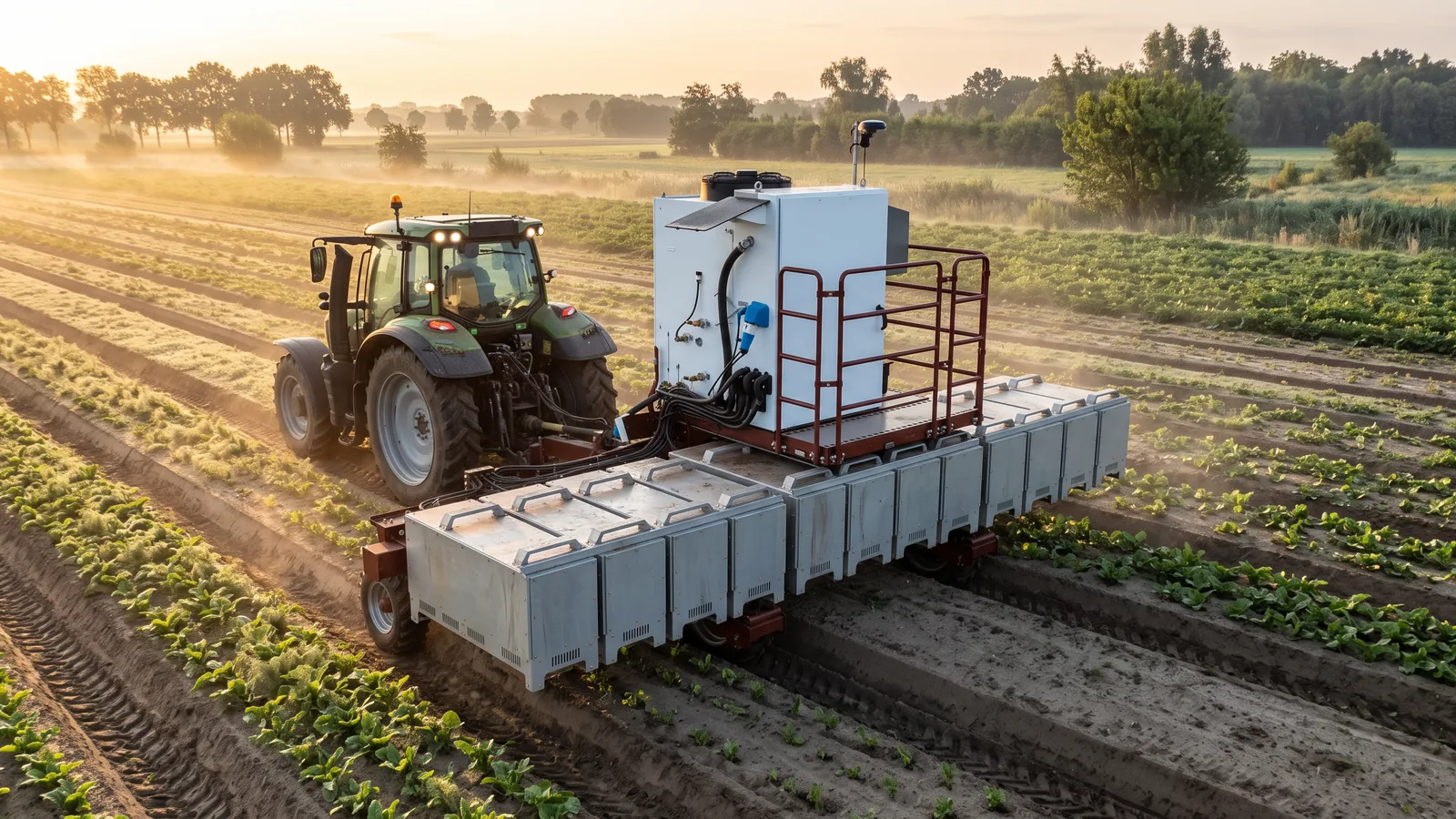 Laser weeding of vegetables and specialty cropsThe laser weeder spots each weed by camera and kills it with a laser, with no chemical and no tillage. The grower chooses the fields, the passes and, depending on the crop, between laser and spot spraying.
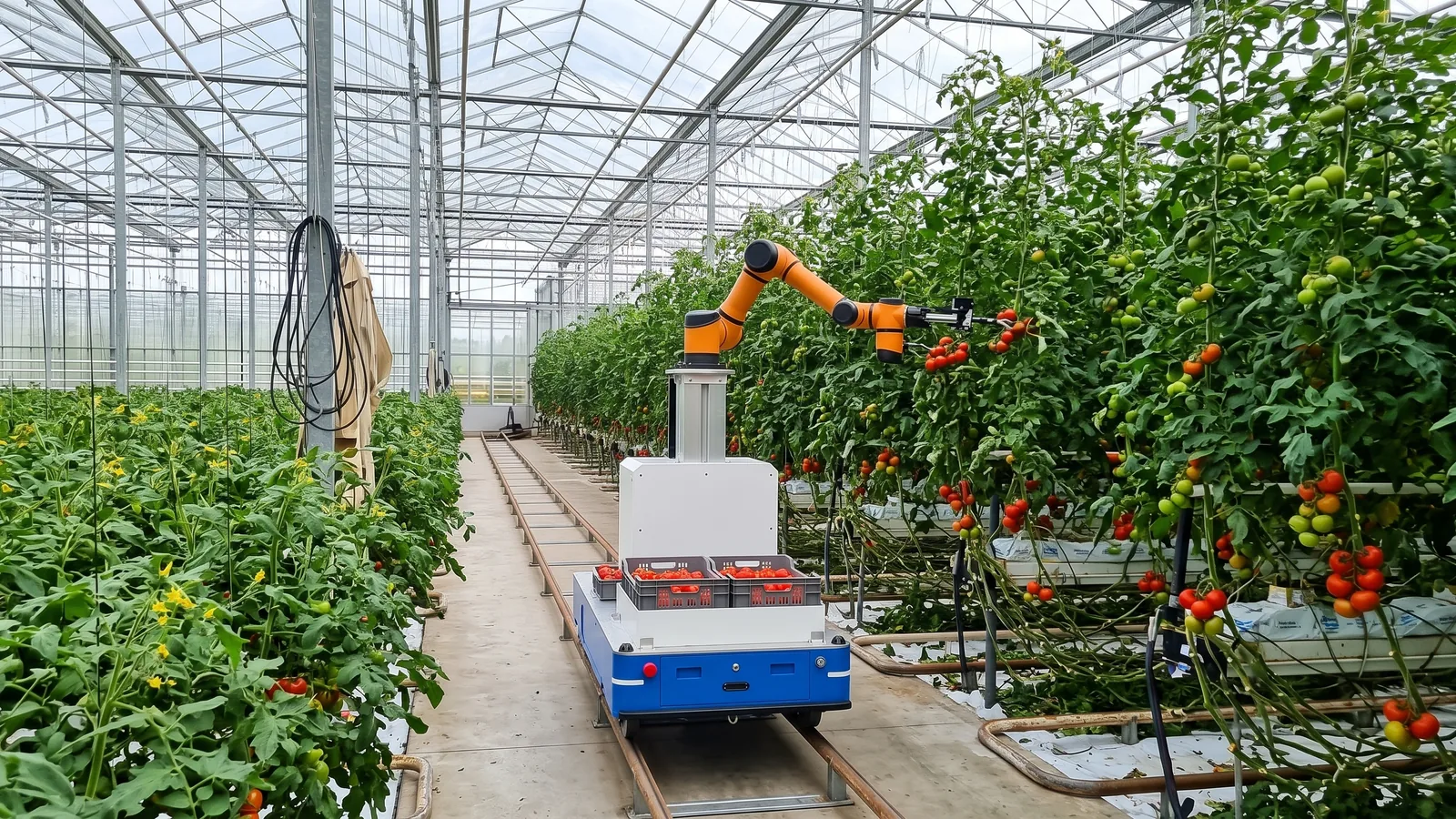 Greenhouse harvesting and orchard workIn the greenhouse, the robot spots ripe trusses and cuts them; in the orchard, electric robots spray, carry and pull tools between the rows. Teams keep the tasks that need a trained eye.
Robots, acquisition mode and delivery terms, in one written proposal.