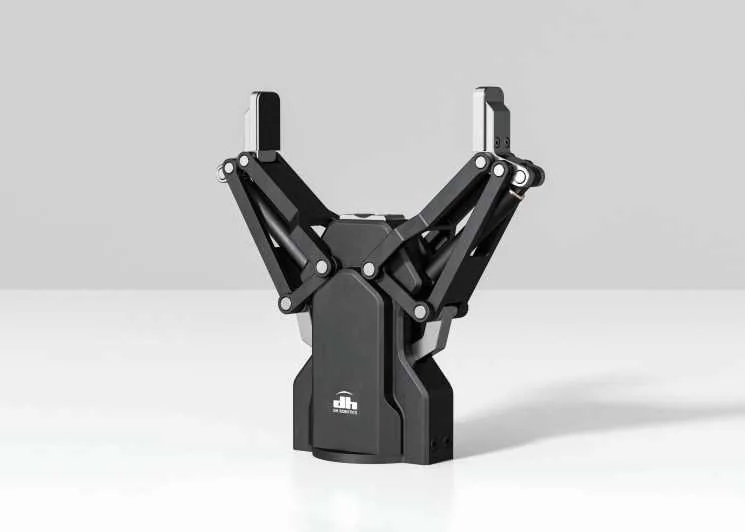
Grippers and end effectors
- Force
- 35–105 N
- Stroke
- 145 mm
- Grip payload
- 2 kg
On order
Price on request
CATALOGUE · FAMILY
32 robotsUpdated
IN BRIEF
Grippers and end effectors in the Robot Distribution catalogue: 32 robots from Flexiv and DH-Robotics, with specifications taken from the manufacturers' official pages and checked on 15 Nov 2026. Each robot is sold on a written quote: prices are on request.
32 robots match your filters.
Address of this list: /en/robots/grippers-and-end-effectors
Grippers and end effectors
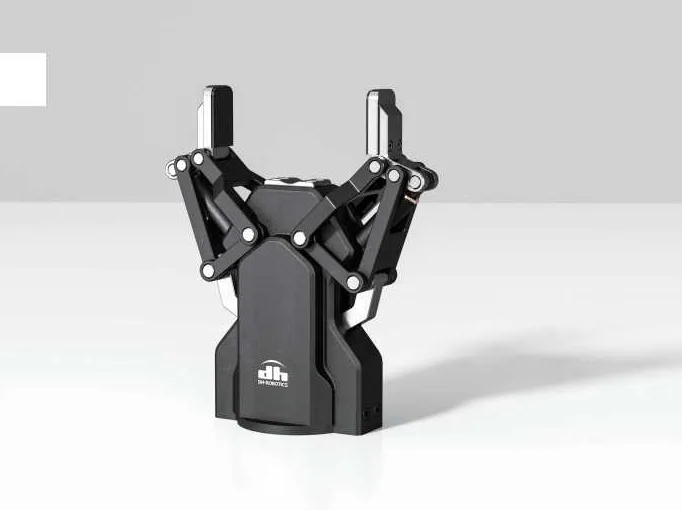
Grippers and end effectors
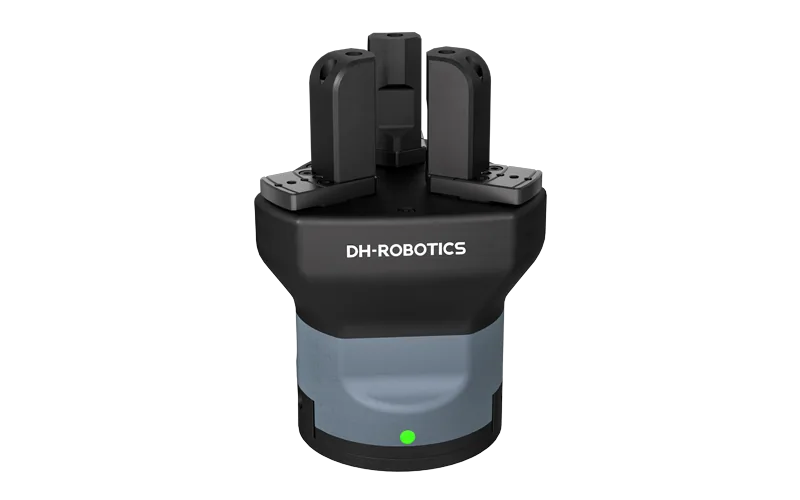
Grippers and end effectors
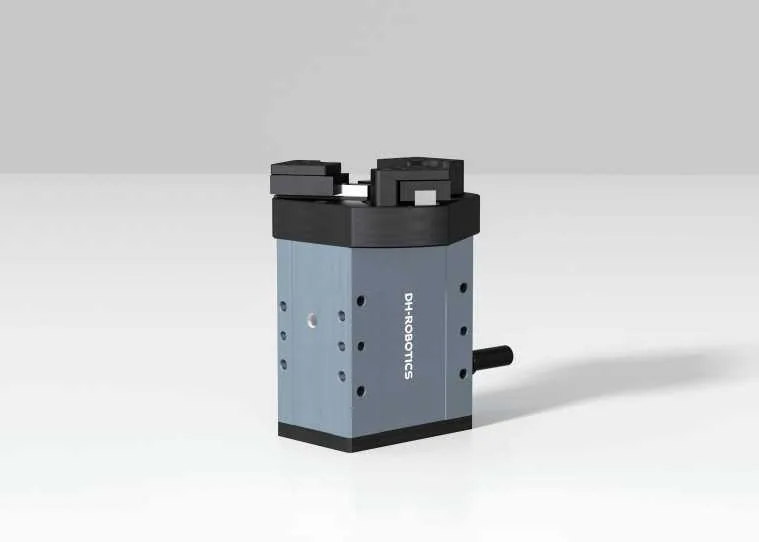
Grippers and end effectors
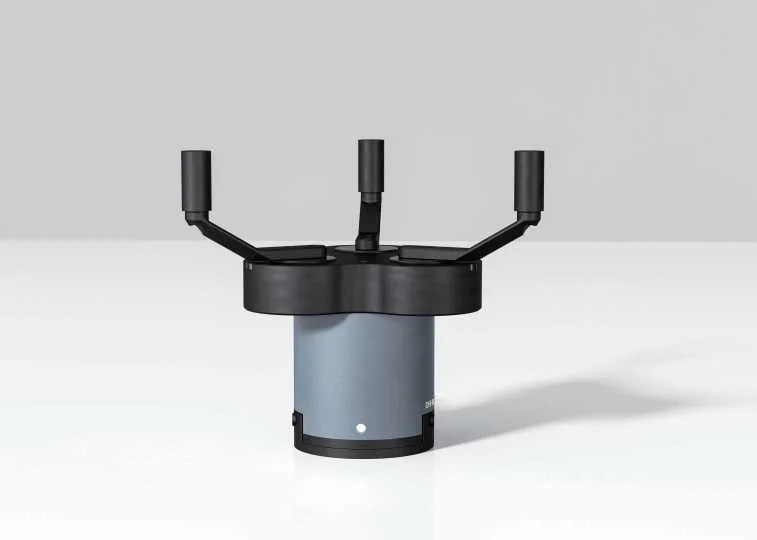
Grippers and end effectors
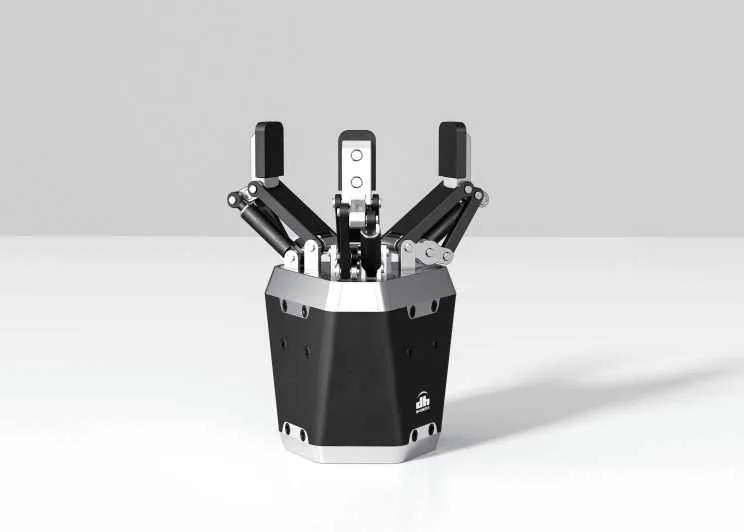
Grippers and end effectors
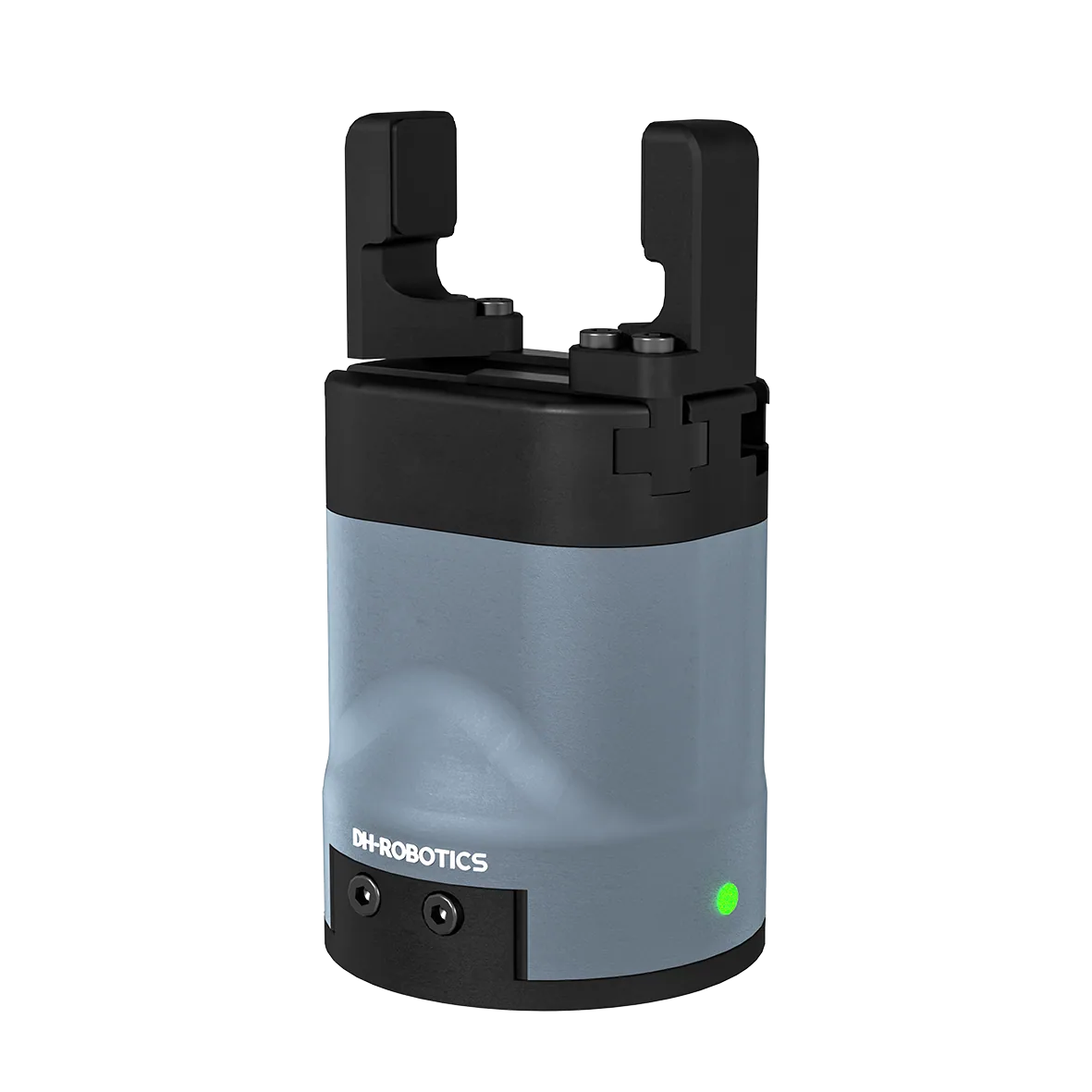
Grippers and end effectors
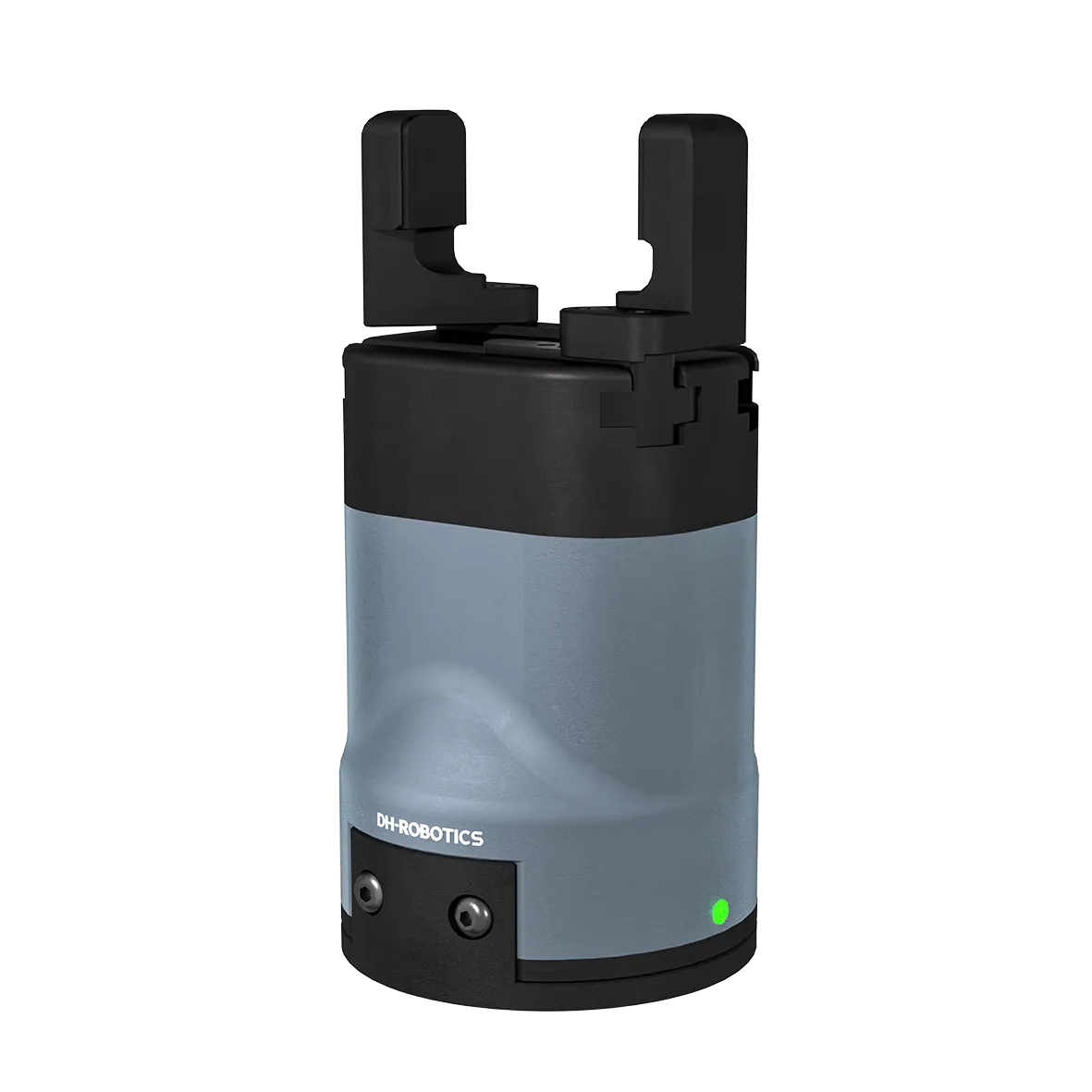
Grippers and end effectors
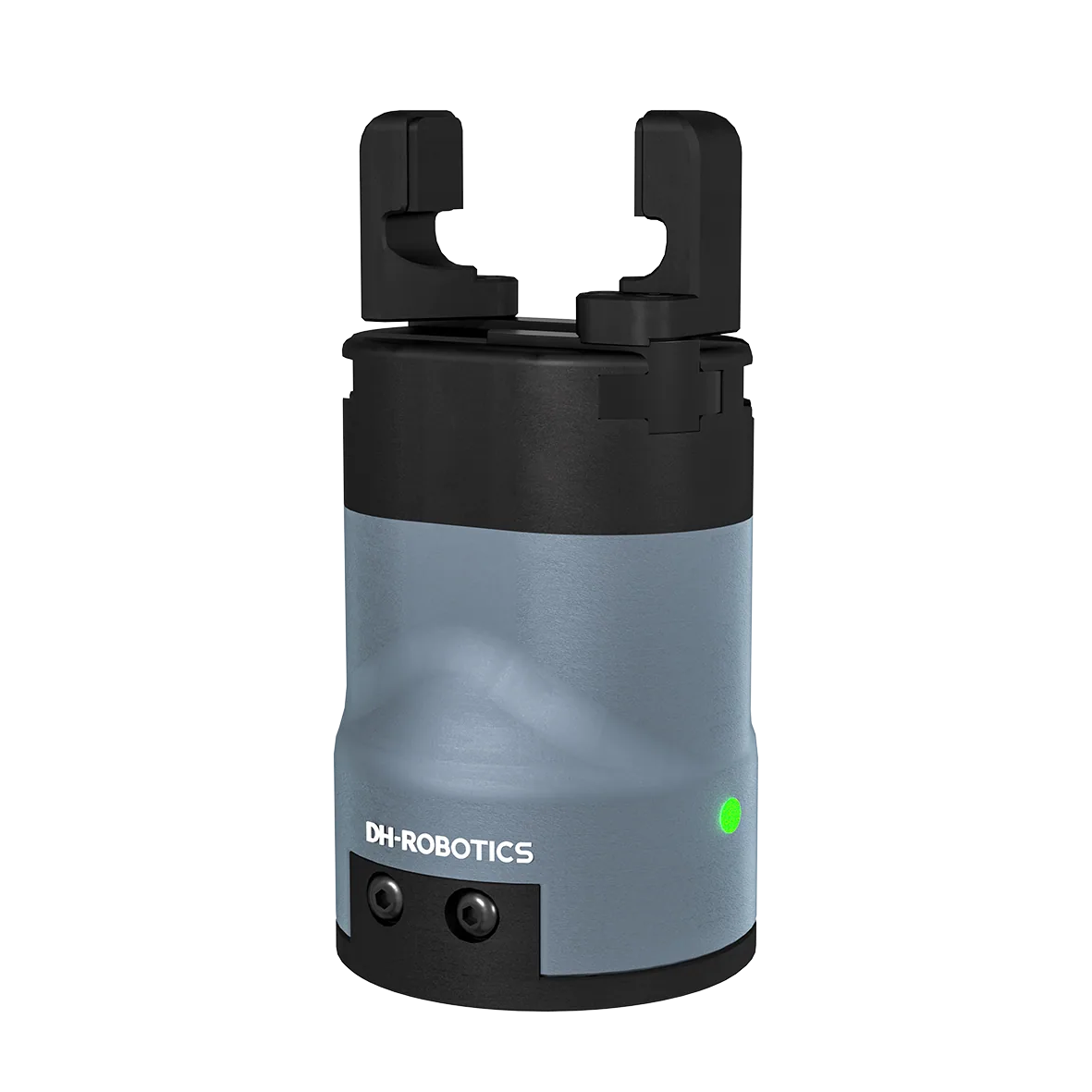
Grippers and end effectors
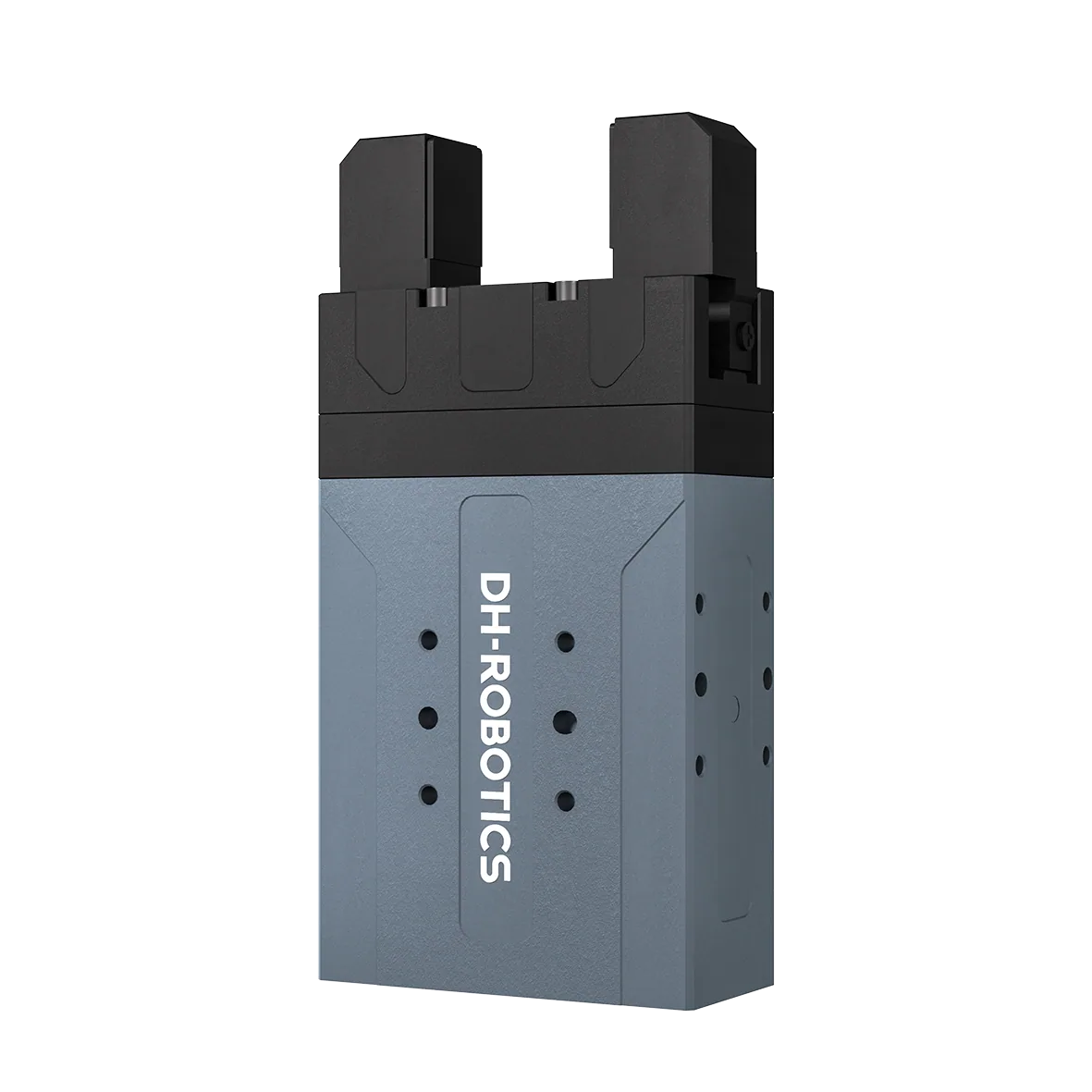
Grippers and end effectors
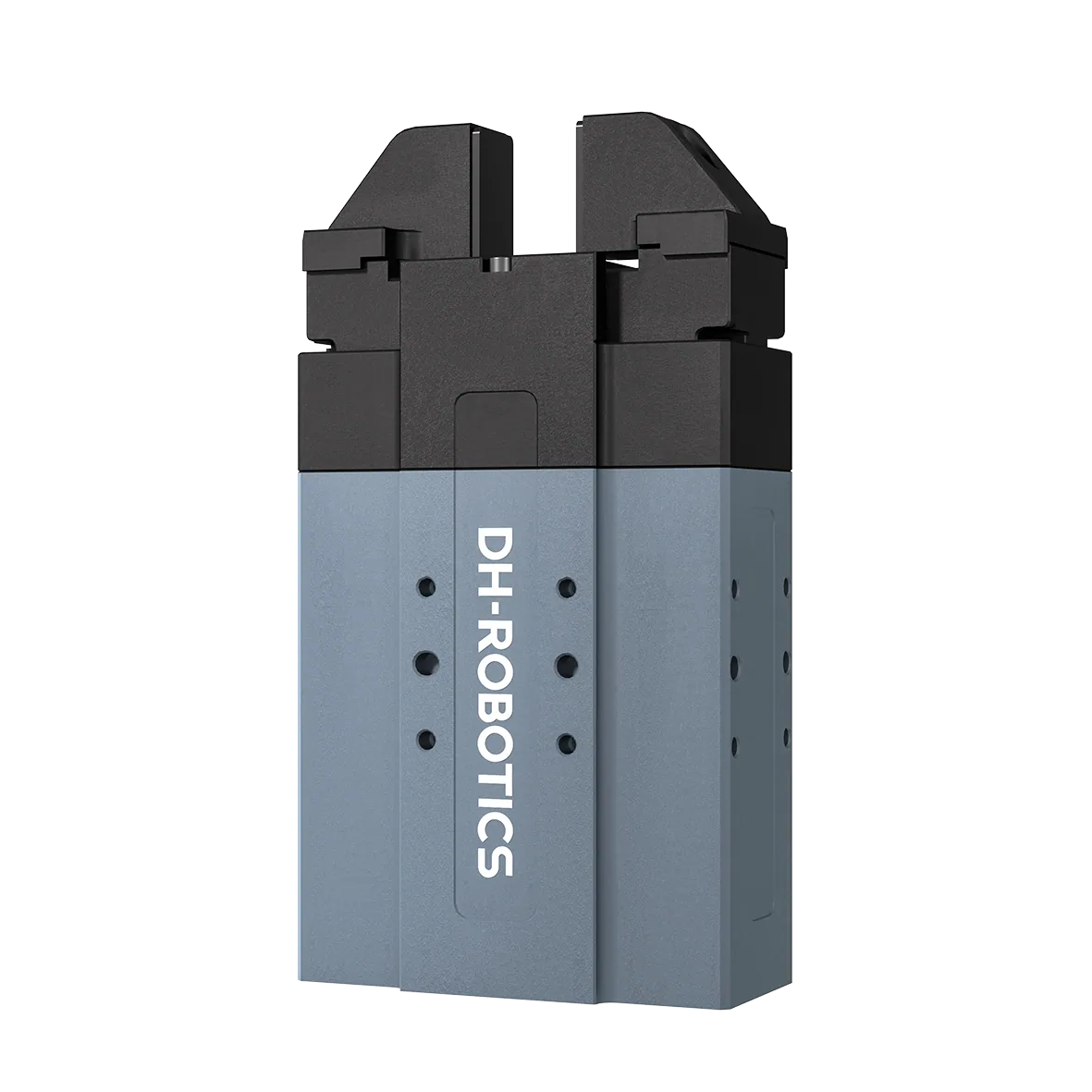
Grippers and end effectors
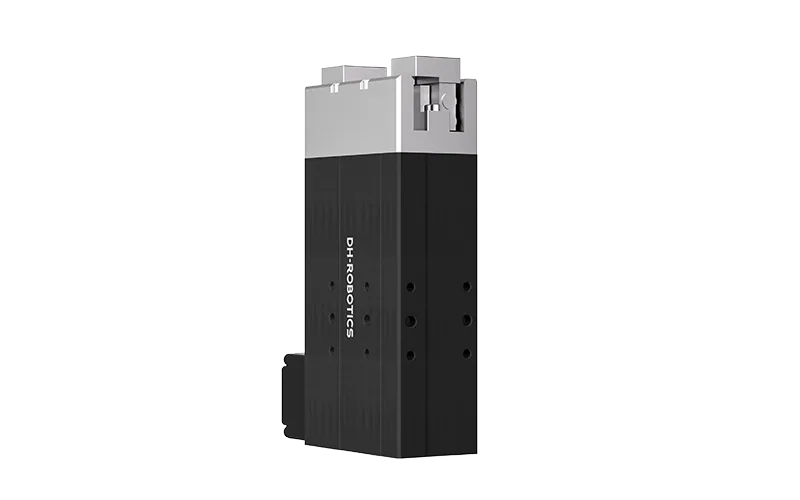
Grippers and end effectors
Showing 1 to 12 of 32 robots · 12 per page
Buying guide
Updated
A gripper is the end effector that lets a robot pick, hold and place a part. An electric gripper moves its fingers with a motor instead of compressed air. Its driver is often built into the body, so it needs only 24 V DC and one cable: no compressor, valve, air treatment unit or hose along the arm.
Because the motor is controlled, the gripping force, the opening position and the speed can be set in software for each part, and the gripper reports its state: moving, in position, part gripped or part dropped. DH-Robotics states a force repeatability of 0.1 N and a position repeatability of ±0.02 mm on its PGE and PGEA parallel grippers.
Dexterous hands such as the five-finger DH-5-6 go one step further, for humanoid robots and embodied-AI research; they are listed in Arms and hands.
| Criterion | Electric gripper | Pneumatic gripper |
|---|---|---|
| Energy | 24 V DC, one cable | Compressed air, valve, hoses |
| Gripping force | Set in software for each part | Set by air pressure, coupled with speed |
| Opening | Any position, programmable | Open or closed (end stops) |
| Feedback | Position, grip and drop detection | Extra sensors needed |
| Fragile parts | Force limited and repeatable | Risk of crushing or marking |
| Energy use | Current only when moving or holding | Compressor running continuously |
| Purchase price | Higher | Lower |
Pneumatic grippers remain cheaper to buy and very fast for a single, unchanging part. Electric grippers pay off when parts change size or fragility, when the cell has no air supply (cobots, mobile manipulators, laboratories), or when the process needs proof that the part was gripped.
Example: a 1 kg machined part held by metal fingers (μ ≈ 0.2) with a safety factor of 4 needs about 1 × 9.81 × 4 ÷ (2 × 0.2) ≈ 98 N per jaw: a PGEA-100-26 or PGEA-100-40 rather than a PGEA-50, although the PGEA-50 is rated for 1 kg in pure friction without impact.
| Model | Type | Force per jaw | Stroke | Workpiece | Protection | Price |
|---|---|---|---|---|---|---|
| PGSE-15-7 | Parallel, economy | 6–15 N | 7 mm | 0.25 kg | IP40 | From 399 € |
| PGE-5-26 | Parallel, slim | 0.8–5 N | 26 mm | 0.1 kg | IP40 | From 759 € |
| PGEA-50-26 | Parallel, slim | 15–50 N | 26 mm | 1 kg | IP40 | From 619 € |
| PGEA-100-40 | Parallel, slim | 30–100 N | 40 mm | 2 kg | IP40 | From 759 € |
| PGC-50-35 | Parallel, collaborative | 15–50 N | 37 mm | 1 kg | IP54 | From 1,830 € |
| PGC-140-50 | Parallel, collaborative | 40–140 N | 50 mm | 3 kg | IP67 | From 2,220 € |
| PGC-300-60 | Parallel, collaborative | 80–300 N | 60 mm | 6 kg | IP67 | From 2,710 € |
| PGIA-140-80 | Parallel, long stroke | 40–140 N | 80 mm | 3 kg | IP54 | From 1,250 € |
| PGHL-400-80 | Parallel, heavy load | 140–400 N | 80 mm | 8 kg | IP40 | From 1,780 € |
| AG-160-95 | Adaptive, 2 fingers | 45–160 N | 95 mm | 3 kg | IP54 | From 3,290 € |
| CGI-100-170 | Centric, 3 jaws | 30–100 N | φ40–170 mm | 1.5 kg | IP40 | From 2,720 € |
| RGI-100-14 | Rotary, infinite | 30–100 N | 14 mm | 1.28 kg | IP40 | From 1,550 € |
Workpiece weights are the manufacturer’s recommendations for a friction grip (μ = 0.2, safety factor 4). Prices are starting prices for the basic version; flanges, cables, fieldbus options and brakes change the final price, given in a written quote.
DH-Robotics supplies flanges, cables and teach-pendant plug-ins for most cobots, including Universal Robots, AUBO, JAKA, Elite, DOBOT, FAIRINO, Doosan, Techman, Hanwha, ROKAE and UFACTORY xArm. Its grippers are CE, FCC and RoHS certified according to the manufacturer.
A gripper is a component: the risk assessment and CE marking concern the whole robot cell. From 20 January 2027 the Machinery Regulation (EU) 2023/1230 replaces the Machinery Directive; a gripper with a power-off brake or self-locking, which keeps the part when power is cut, helps meet the requirements on loss of energy. Robot Distribution supplies the manufacturer’s declarations and supports the integrator during commissioning.
Prices start from 399 € excl. VAT for the DH-Robotics PGSE-15-7 and around 600 to 800 € for slim parallel grippers (PGE, PGEA). Collaborative and long-stroke grippers cost 1,250 to 2,720 €, adaptive grippers from 3,290 € and the three-finger DH-3 from 9,250 €.
For a two-finger friction grip, 2 × μ × F must exceed m × g. With a safety factor of 4, as DH-Robotics recommends for handling with impacts, the force per jaw should be 10 to 20 times the weight of the part: about 100 N per jaw for a 1 kg metal part.
Yes, in most cases. Slim models such as the PGEA and PGSE have the format of small pneumatic grippers and work from 24 V and I/O signals, so a PLC can drive them like a valve, with force control and grip feedback in addition.
A collaborative gripper (PGC series or AG adaptive gripper) mounts with a dedicated flange and cable and is driven from the cobot program through a plug-in. For light parts, a PGEA with its cobot flange is a lower-cost option.
Grippers with mechanical self-locking (PGHL) or a power-off brake option (PGEA, PGIA, CGI) keep holding the part; with the brake, the PGEA keeps about 85 % of its force according to DH-Robotics.
Robot Distribution lists 32 robots in this family, from Flexiv and DH-Robotics. Every model on this page shows the specifications published by its manufacturer, with the source and the date they were checked.
Robot Distribution offers short rental (1 to 30 days), medium rental (1 to 12 months) and Robotics-as-a-Service contracts (24 to 60 months). The written quote states which acquisition modes apply to each robot.
Yes. Robot Distribution supplies an EU declaration of conformity with every robot. The Machinery Regulation (EU) 2023/1230 applies from 20 January 2027 and replaces Directive 2006/42/EC; the catalogue is being reviewed model by model.
A written proposal in 2 working days: robots, acquisition mode, delivery time.